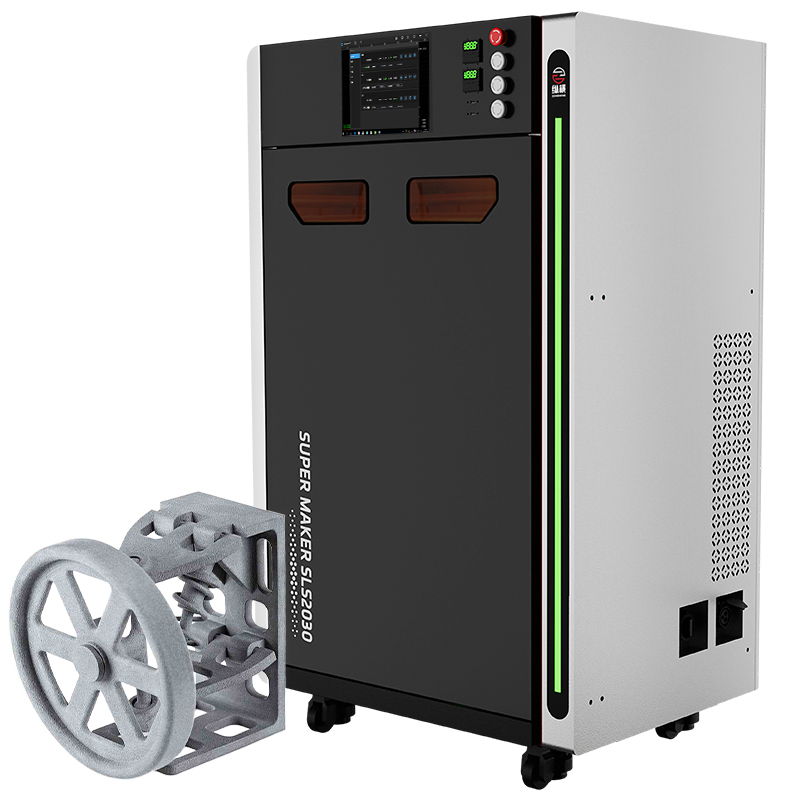
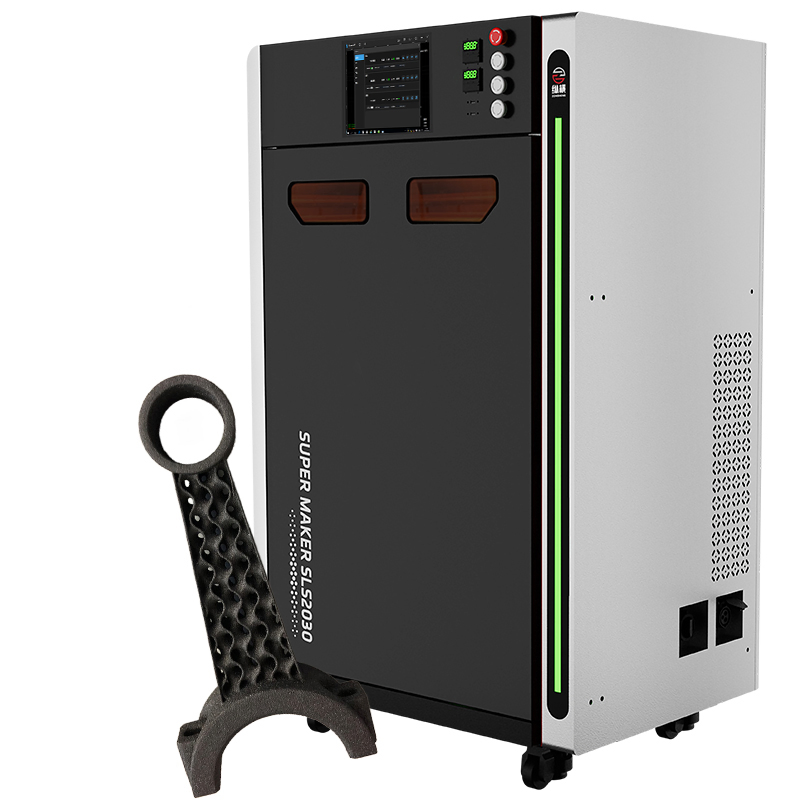
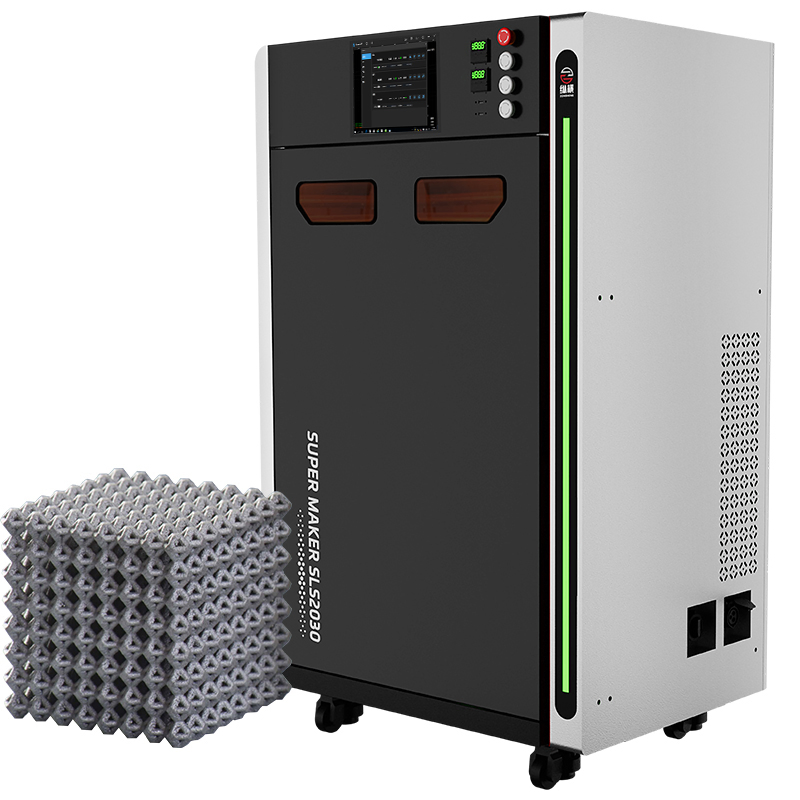
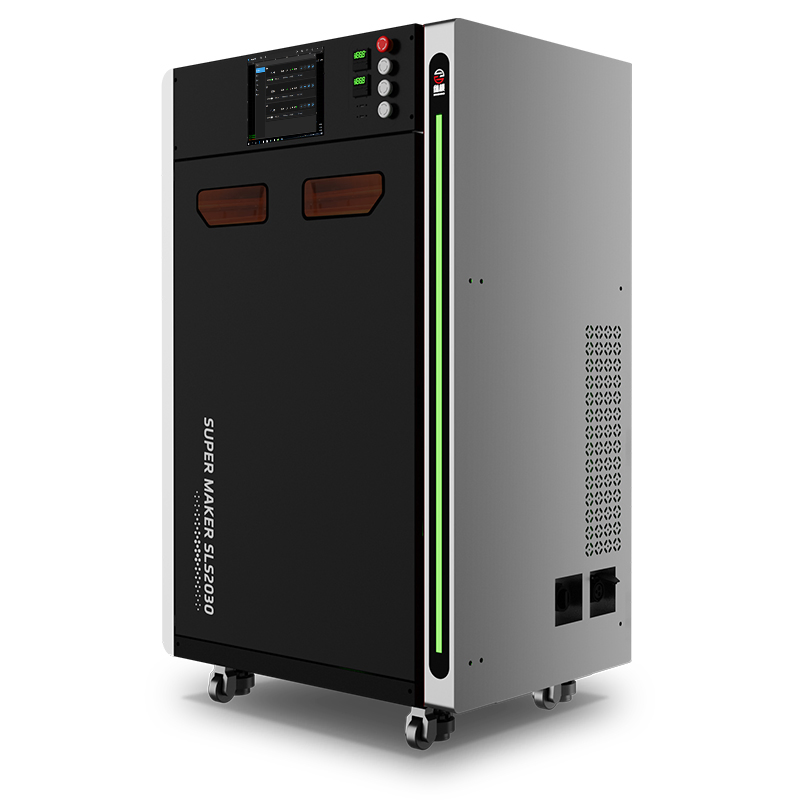
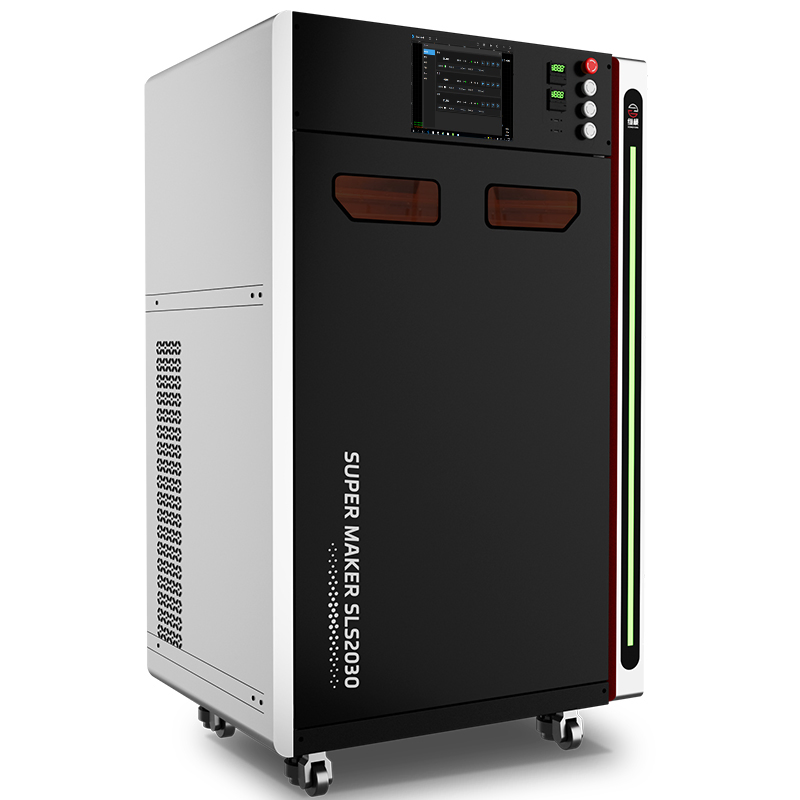
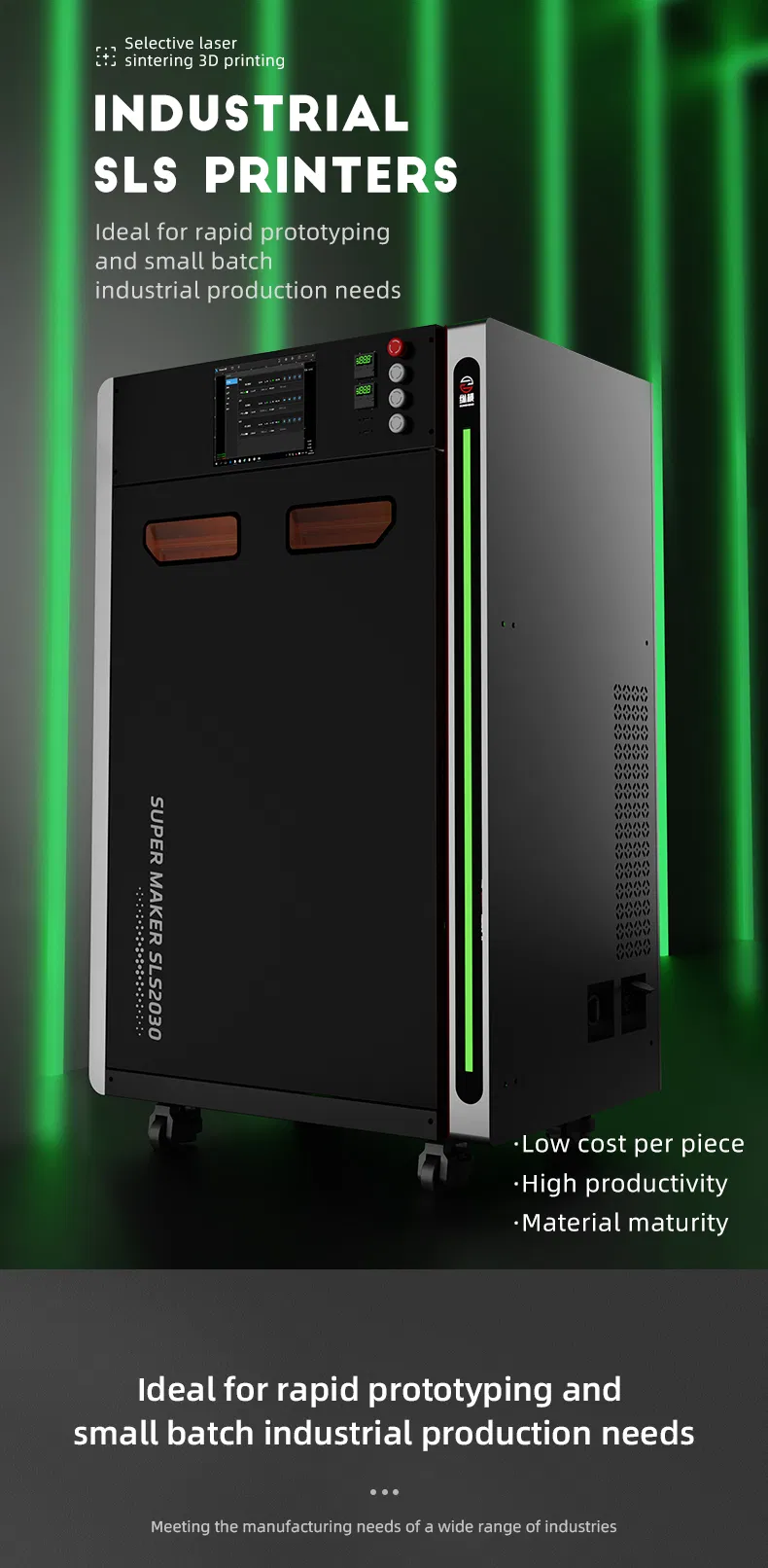
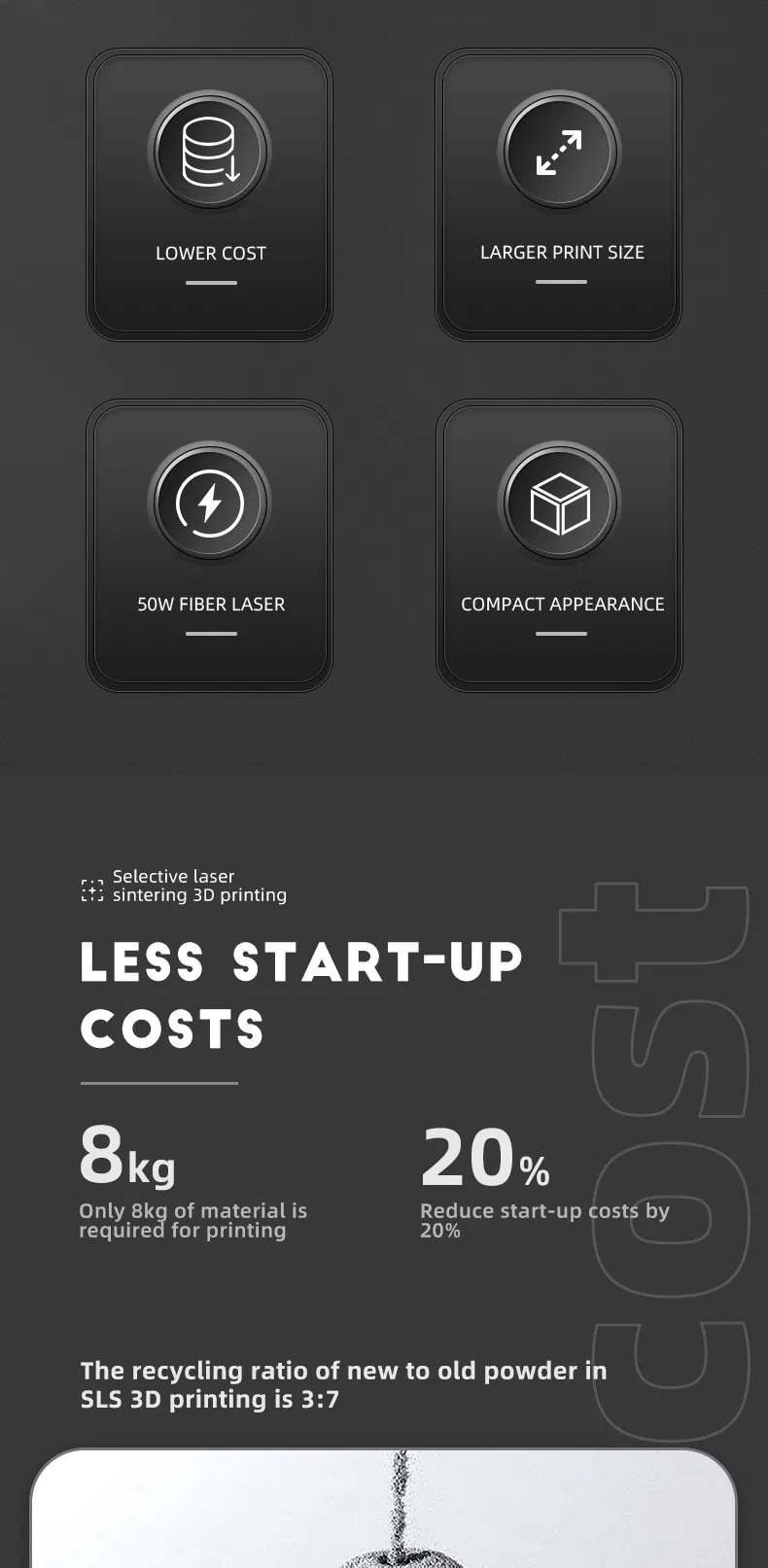
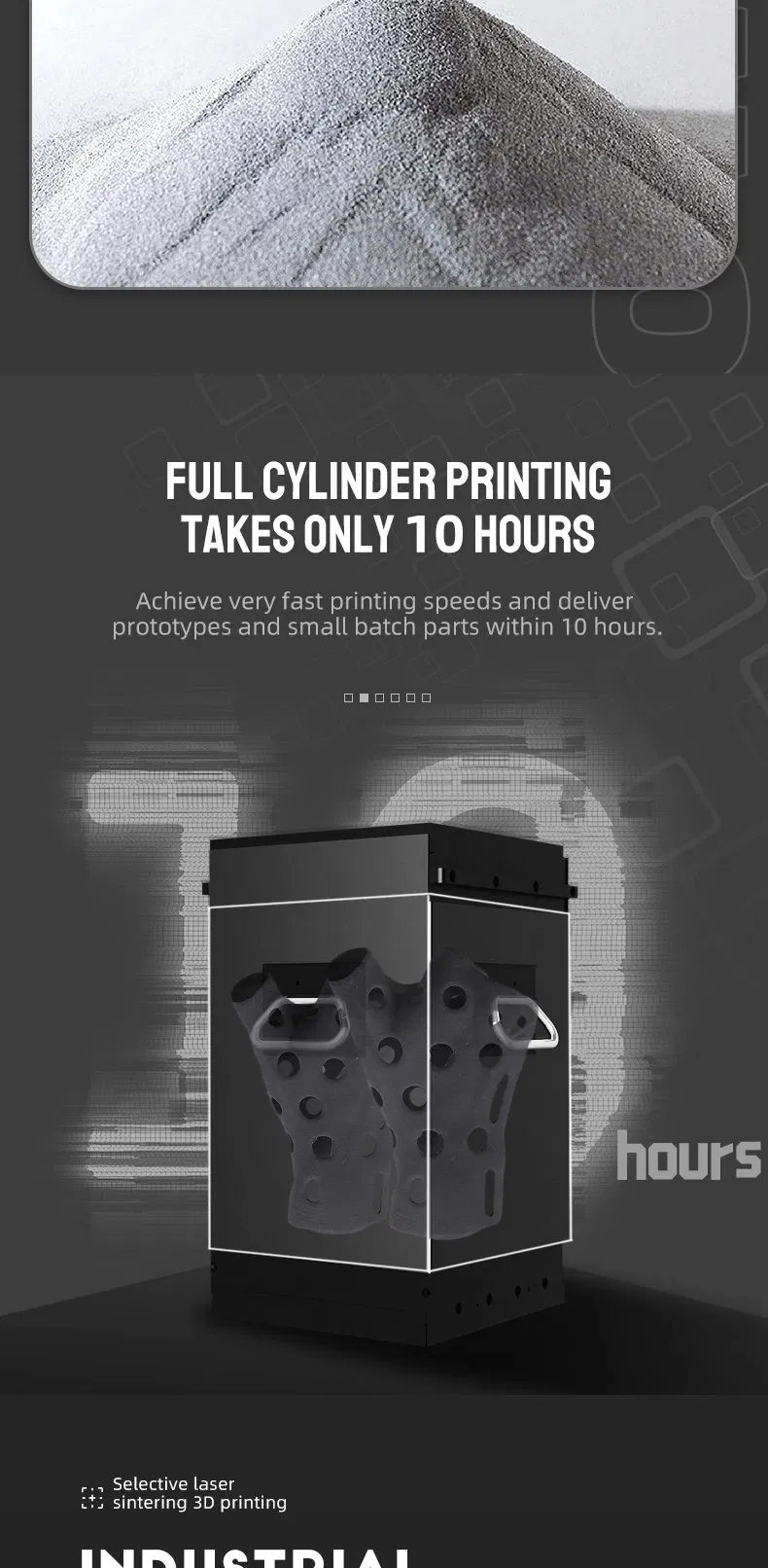
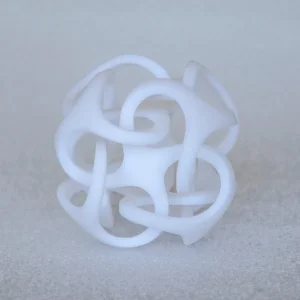
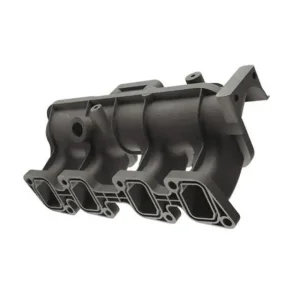
SLS 2030 Industrial 3D Printer Selective Laser Sintering Technology Large Build Volume High Precision for Functional Prototypes & End-Use Parts

Customization: Available
After-sales Service: 1 Year
Warranty: 1 Year

Product Description

i

Basic Information

Model NO.
SLS 2030
File Format
STL
Connection
USB
Precision
0.3mm
Thickness
0.1-0.3mm
Printer Material
PA12, PA11, TPU, Nylon with Glass Fiber
Forming Tech
SLS
OS
64 Bits Window 10
Package
Carton
Specification
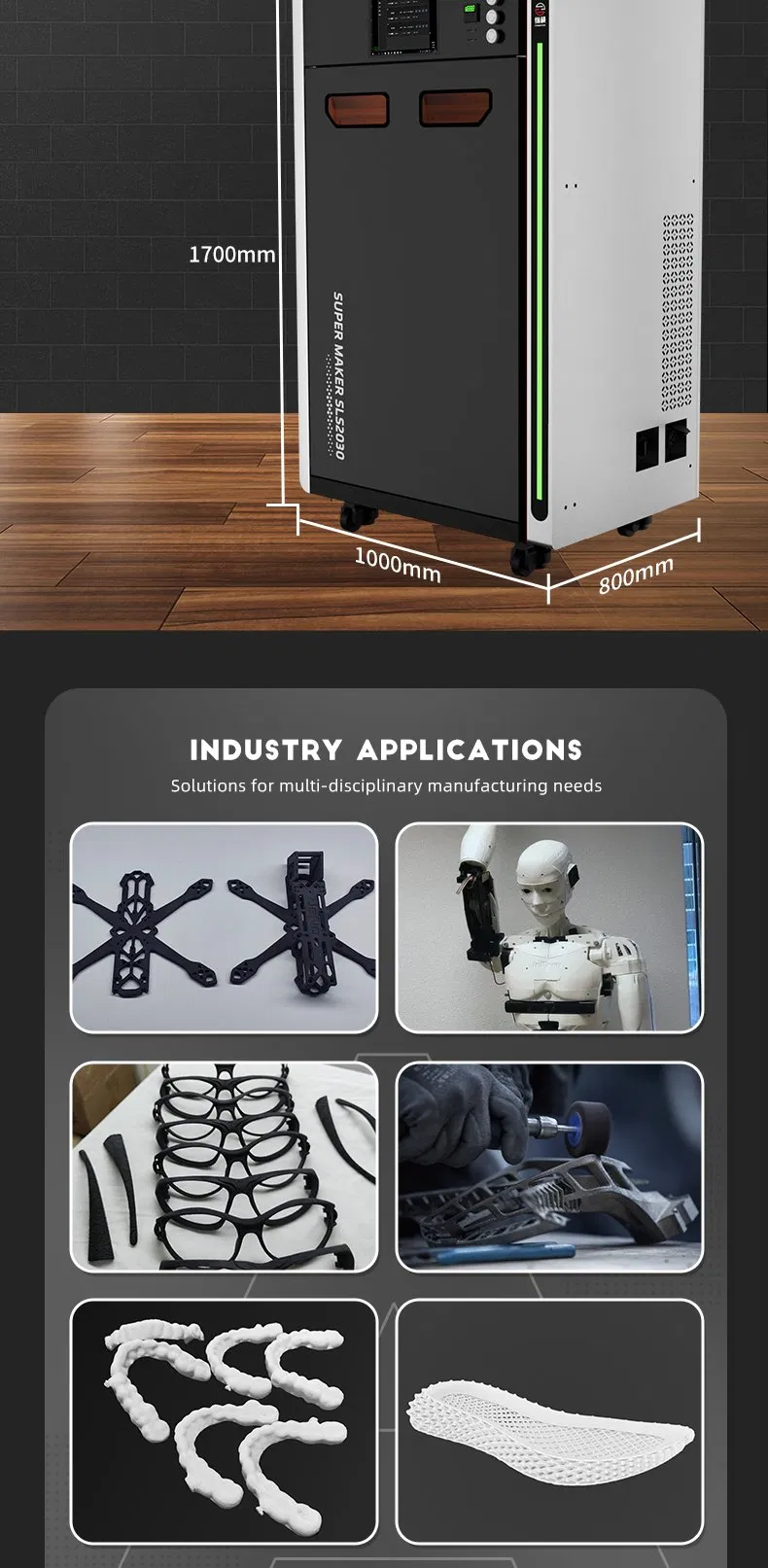
1000*800*1700mm
Origin
China
HS Code
8485200000

Technical Parameters

Product ModelSLS2030
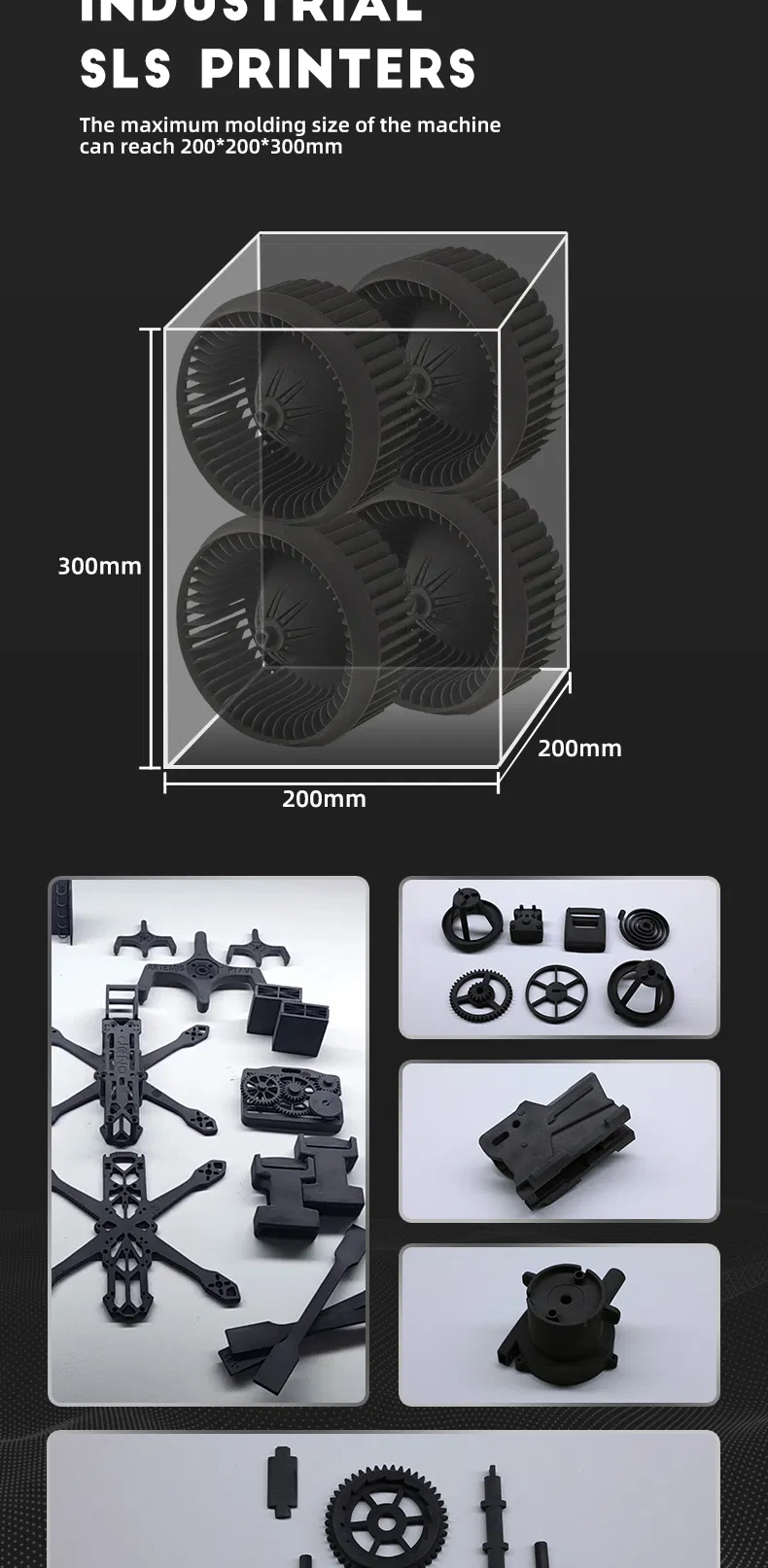
Printing Size200*200*300mm
Operating SoftwareIndependent research and development
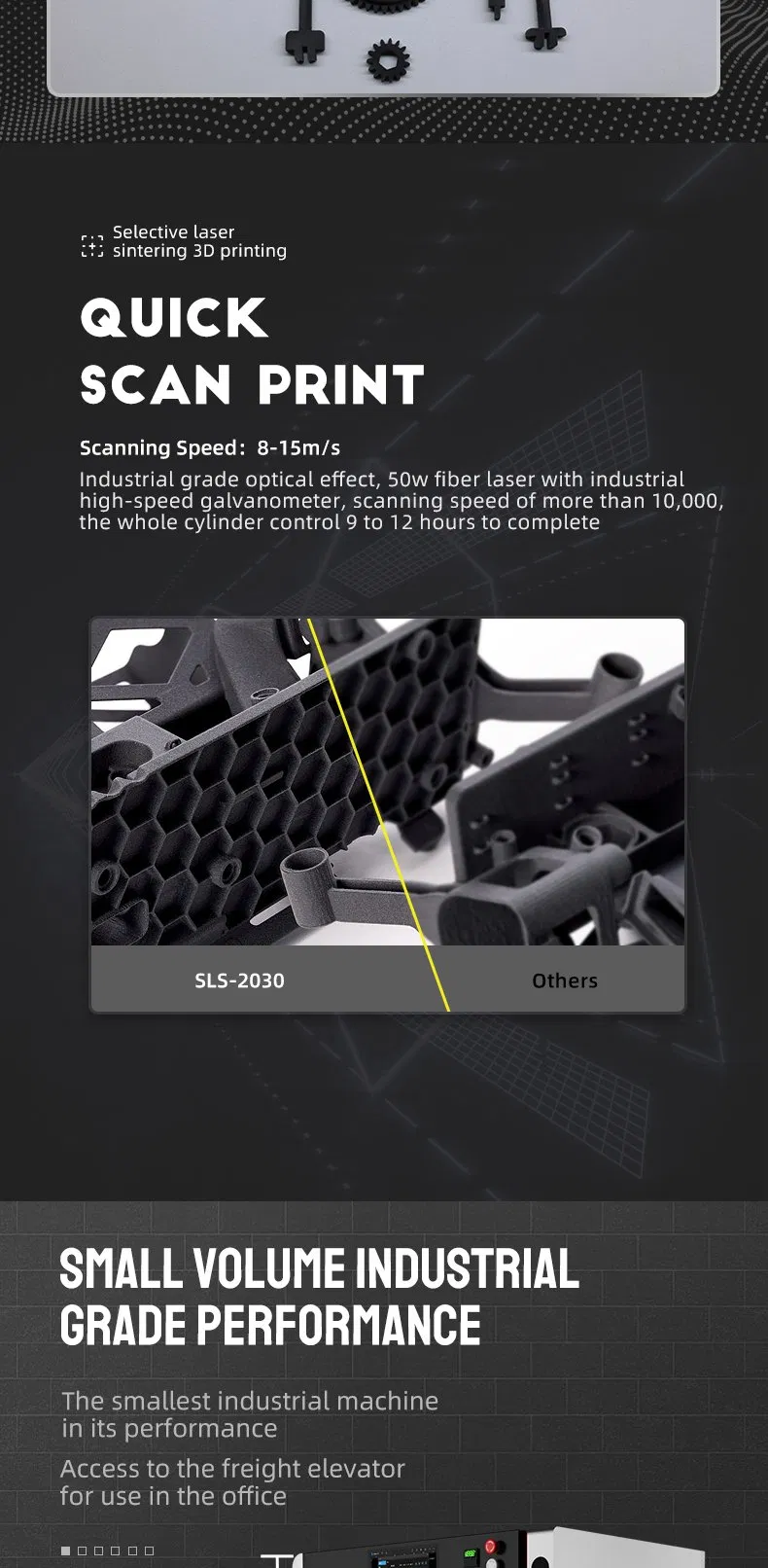
Laser TypeFiber Laser, 1*40W
Layer Thickness0.1-0.3mm
Max Cabin Temp190ºC
SupportsNo Need Support
Thermal Field ControlMulti-area independent control
Powder FeedingSingle feed powder
Scanning Speed8-15m/s
Support InterfaceRS232/RS485, Ethernet, USB, Canopen
Temp CompensationReal-time Online Support
Machine Size1000*800*1700mm
ScannerHigh-precision Digital Galvo System
Net Weight500KG
Inert GasNitrogen
Power Supply220V/50HZ
Volume Molding Rate3000cm3/h
Control FunctionManual and automatic control, real-time parameter modification, 3D visualization, diagnostic functions.
🖼

Product Gallery

?

Frequently Asked Questions

What materials can the SLS 2030 printer use?
The system supports a wide range of industrial materials including PA11, PA12, TPU, and Nylon with Glass Fiber (GF).
Does the SLS 2030 require support structures during printing?
No, one of the main advantages of Selective Laser Sintering (SLS) technology is that the surrounding unsintered powder acts as a natural support, allowing for complex geometries without extra structures.
What is the maximum build volume of this machine?
The SLS 2030 offers a printing size of 200mm x 200mm x 300mm.
What type of laser does the printer utilize?
It is equipped with a high-performance 40W Fiber Laser for precise sintering.
What file format is required for printing?
The system standardly accepts STL files, which is the industry standard for 3D printing.
What are the environmental requirements for operation?
The printer operates best at temperatures between 18-30ºC and requires a 220V/50HZ power supply.

Related Products