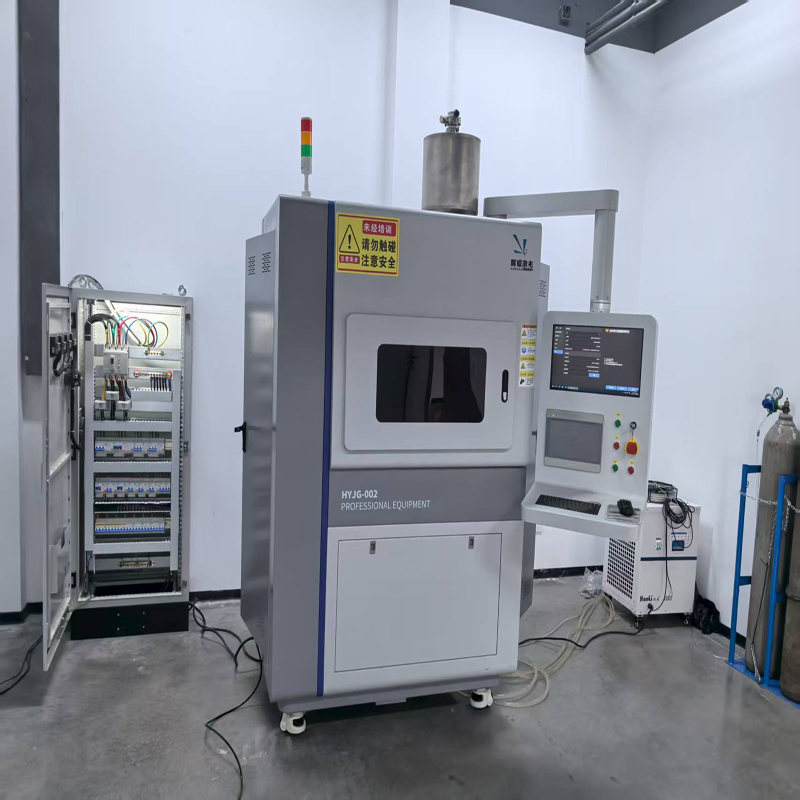
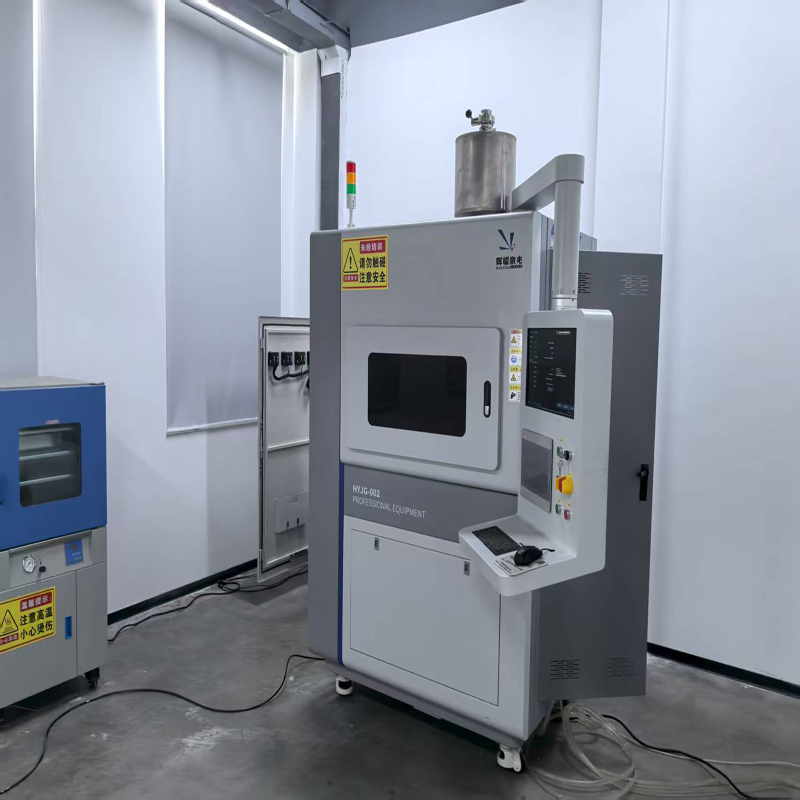
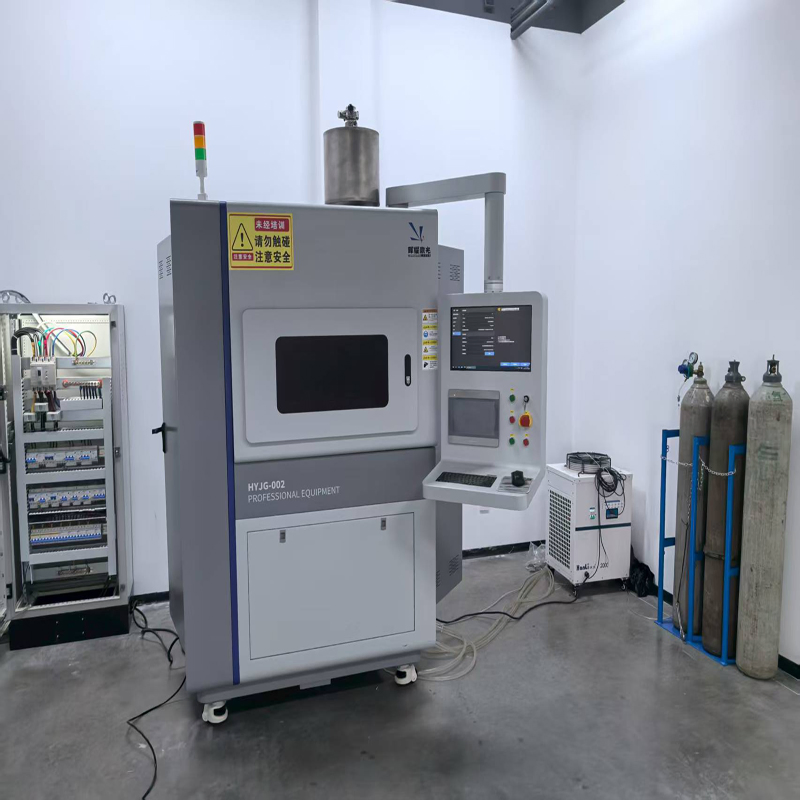
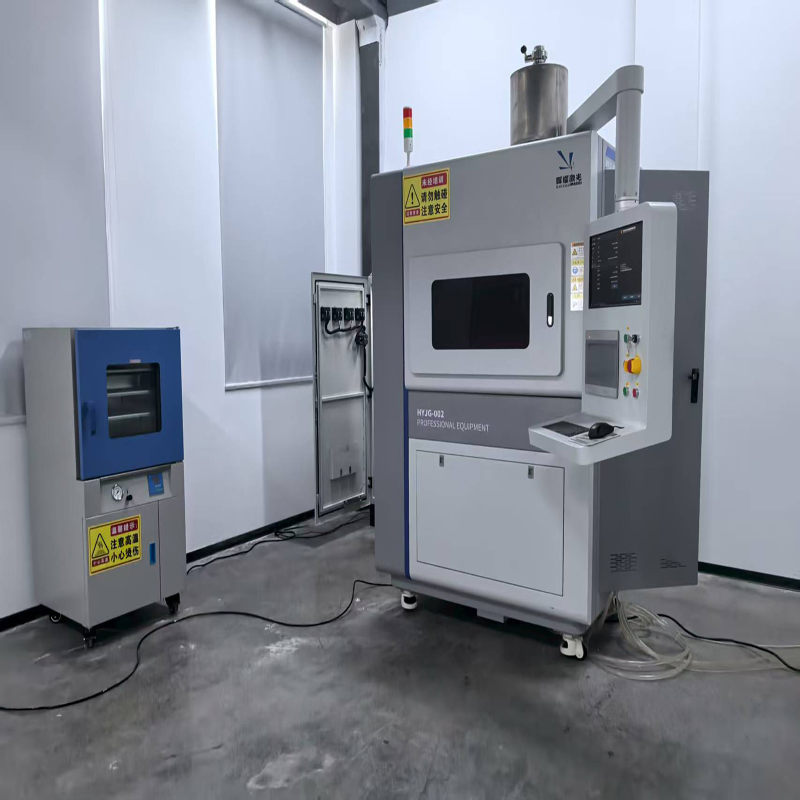
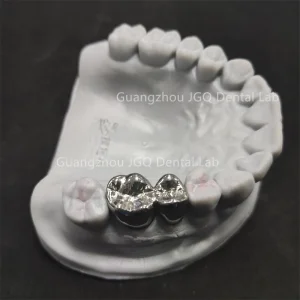
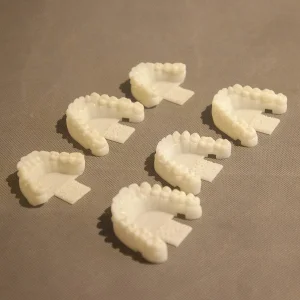
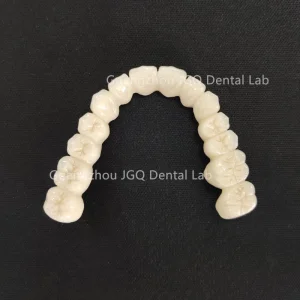
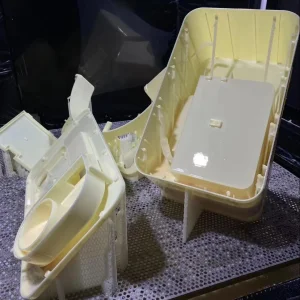
Dental Implant Focused Titanium 3D Metal Printing Solution

Customization: Available
After-sales Service: Engineers Available to Service Machinery Overseas
Warranty: 2 Year

Product Description

📊 Basic Specifications
Model NO.
001
File Format
STEP, IGES, SLC, CLI, STL
Nozzle Number
Dual-Laser
Connection
WiFi
Precision
<100μm
Thickness
20-80μm
Printer Material
Plastic, Metal
Forming Tech
SLM
OS
Windows 10
Oxygen Control
≤500ppm
Package Size
200cm * 100cm * 240cm
Gross Weight
120.000kg
🔍 Product Overview
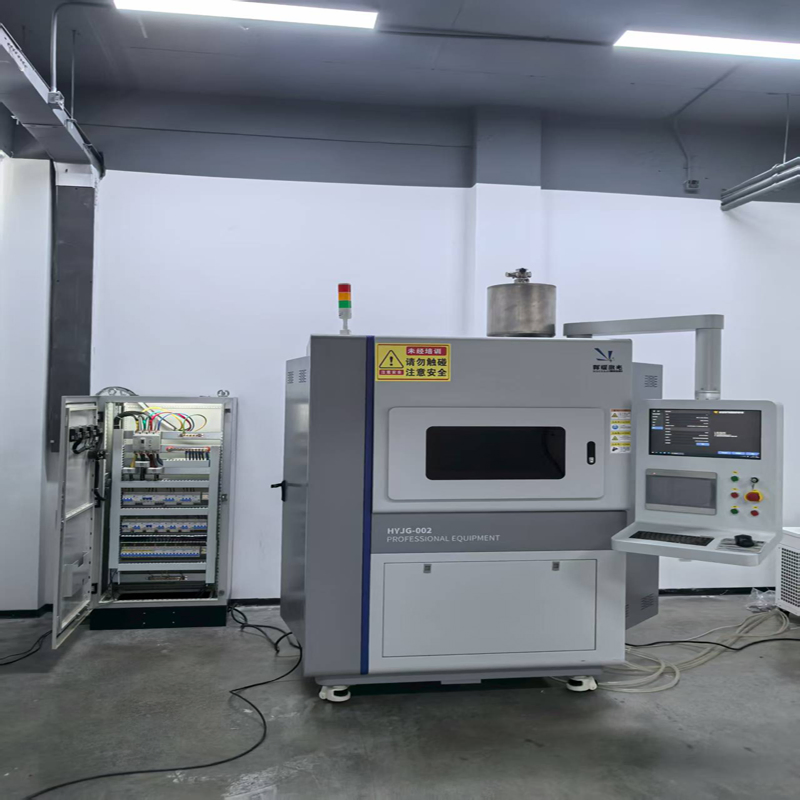
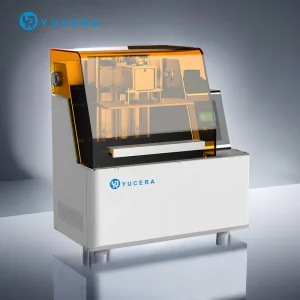
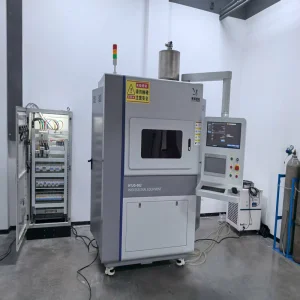
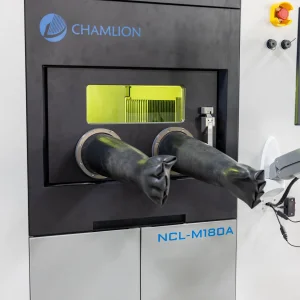
The SLM Dual-Laser Metal 3D Printer is a high-efficiency, intelligent, and customized industrial-grade additive manufacturing system specifically designed for aerospace, medical implants, and precision tooling. By integrating dual-laser dynamic coupling technology (500W primary laser + 200W secondary laser), closed-loop powder management (powder utilization rate ≥95.7%), and intelligent quality monitoring, the system reliably produces titanium alloy orthopedic implants and nickel-based superalloy turbine blades.
Key Features

Adjustable Laser Spot

Adjust the laser spot from 35-80μm to optimize energy distribution for diverse materials. Smaller spots (35-50μm) enable ultra-fine details for microstructures; larger spots (60-80μm) boost efficiency for bulk components.
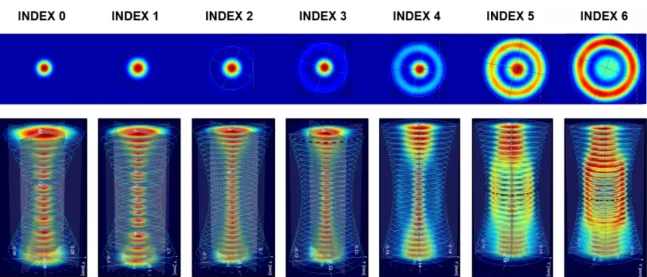
Adjustable Laser Spot
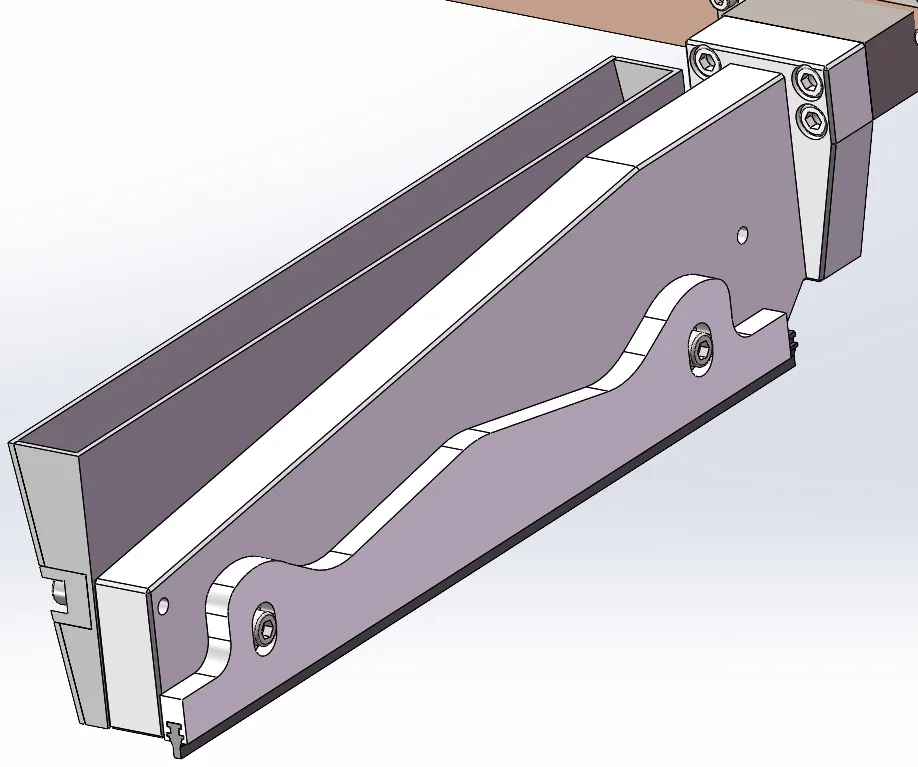
Dual Scraper System

Dual Scraper System

Equipped with soft/hard dual scrapers to ensure printing accuracy and prevent thin-walled part jamming, ensuring consistent layer quality across the build plate.

High Precision & Density

Achieve layer thicknesses of 0.02-0.05mm, with part density reaching 99%-100%. Surface roughness is maintained between Ra6-15 μm for superior finish.
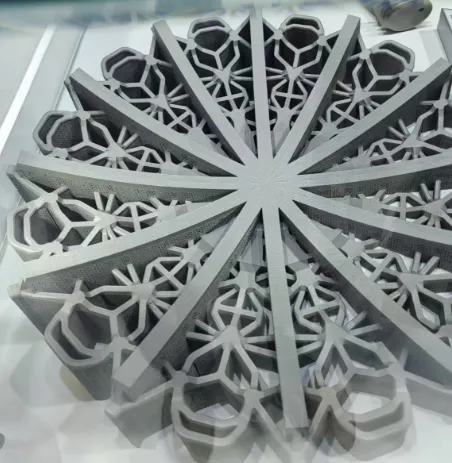
High Precision
⚙️ Technical Specifications
Parameter Specification
ModelSLM Dual-Laser
Laser TypeIPG 500W / Domestic Laser
Build SizeDiameter 252mm
Spot Size≈40μm
Scanning SystemScanLab
Layer Thickness0.02-0.05mm
Part Density99%-100%
Accuracy±0.1mm
Total Power8KW/9KW
Compatible MaterialsStainless Steel, Titanium Alloys, Aluminum Alloys, High-Entropy Alloys
🔄 Product Process Flow

Technical Process Flow of SLM Dual-Laser 3D Printing
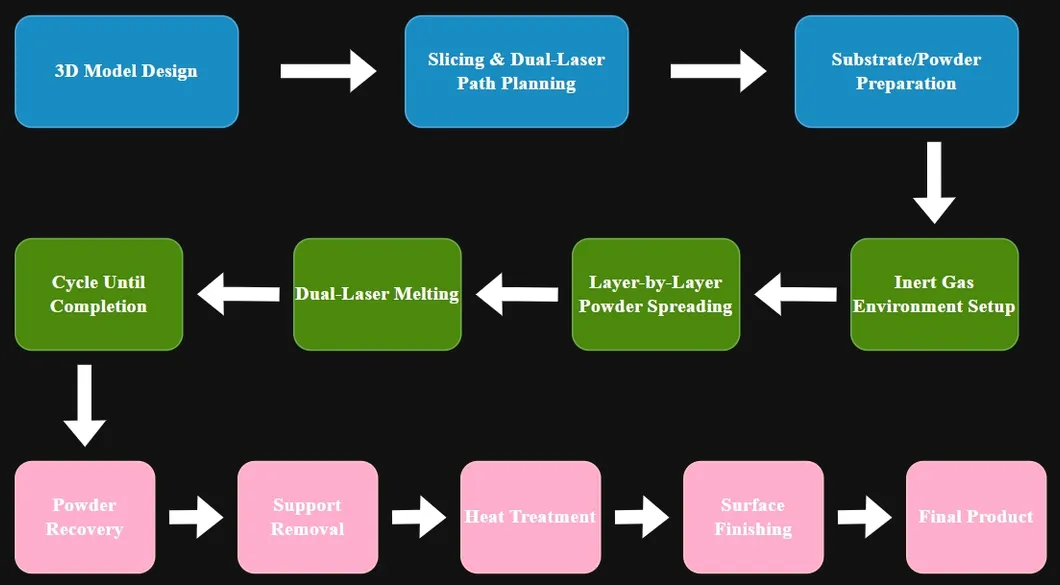
Process Flow

Application Fields

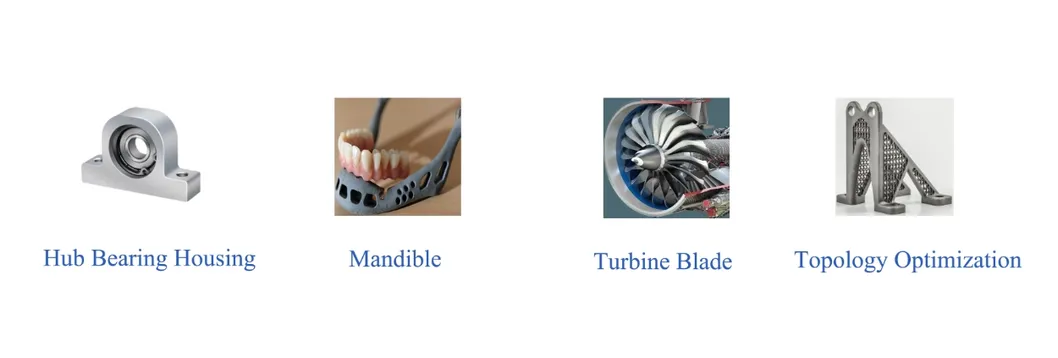
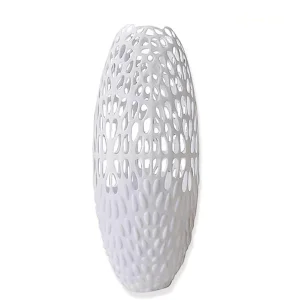
  • Medical Implants: Porous titanium alloy orthopedic implants (50-200μm structures).
  • Aerospace Components: Nickel-based superalloy turbine blades with 0.3mm cooling channels.
  • Industrial Molds: Conformal cooling injection molds with 40% efficiency improvement.
  • Rapid Prototyping: Acoustic metamaterial lattice structures and functional test pieces.
Applications
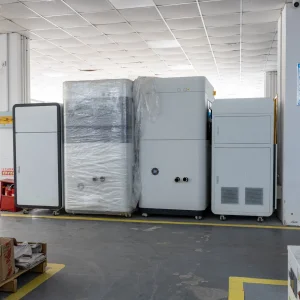
📦 Packaging & Shipping

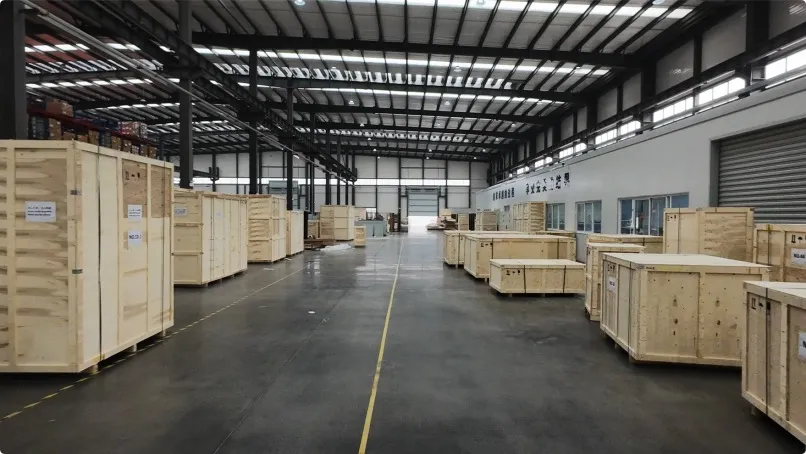
Precision Protection, Global Assurance: Every system is meticulously packaged in heavy-duty wooden crates with anti-vibration reinforcement. Our logistics network ensures 99.9% damage-free delivery to 50+ countries.
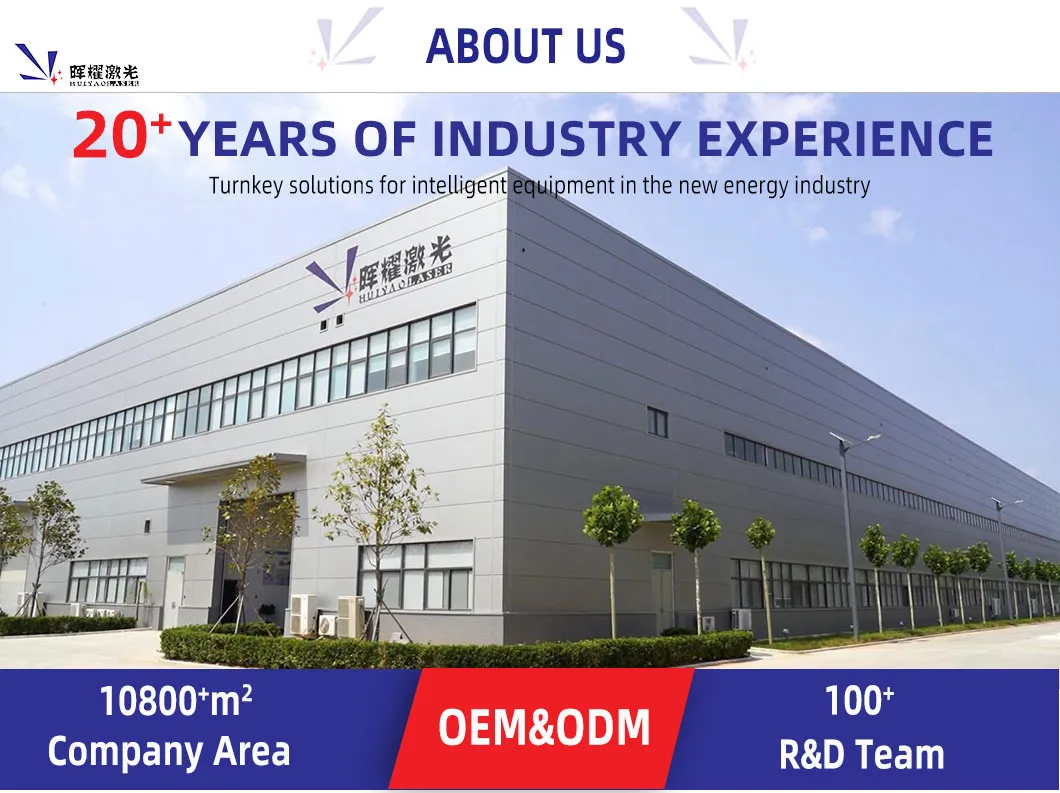
🏢 Professional Capabilities
Manufacturing Center

Our facility is an industry-leading manufacturer of intelligent equipment and SLM dual-laser 3D printing systems. Dedicated to providing innovative turnkey solutions, we continuously advance laser processing and automation technologies, delivering high-performance equipment to global industries with a focus on Industry 4.0 integration.
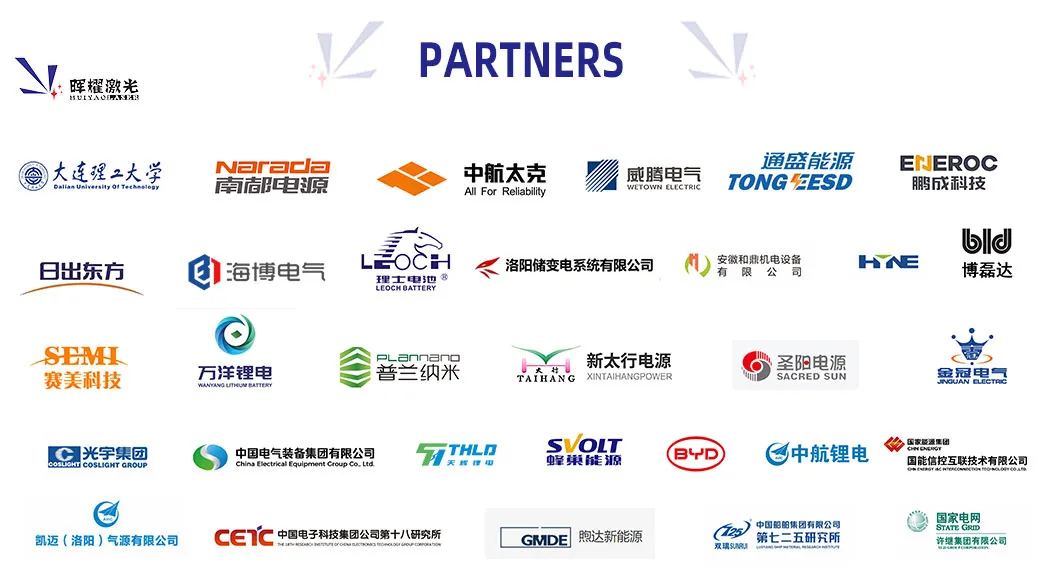
🤝 Representative Clients
Clients
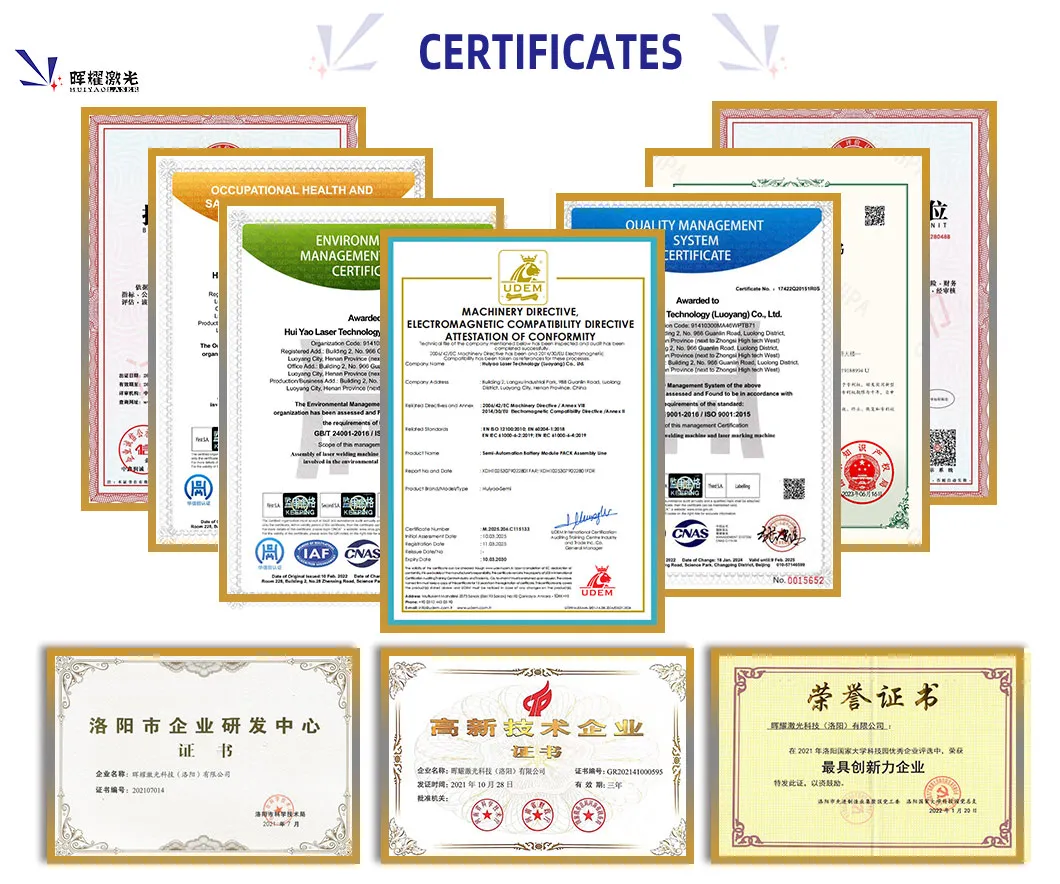
📜 Certifications & Advantages
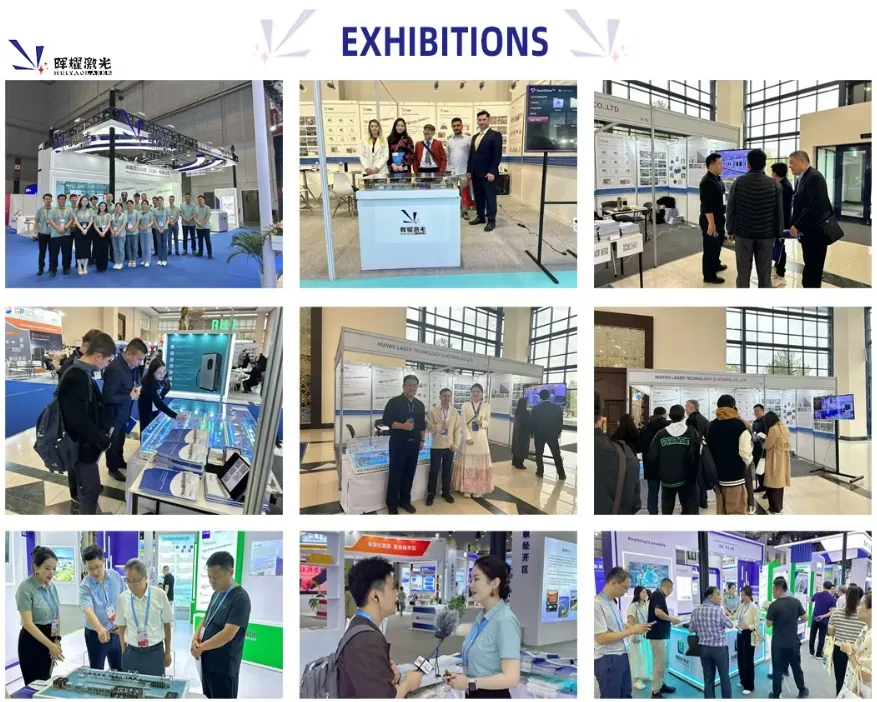
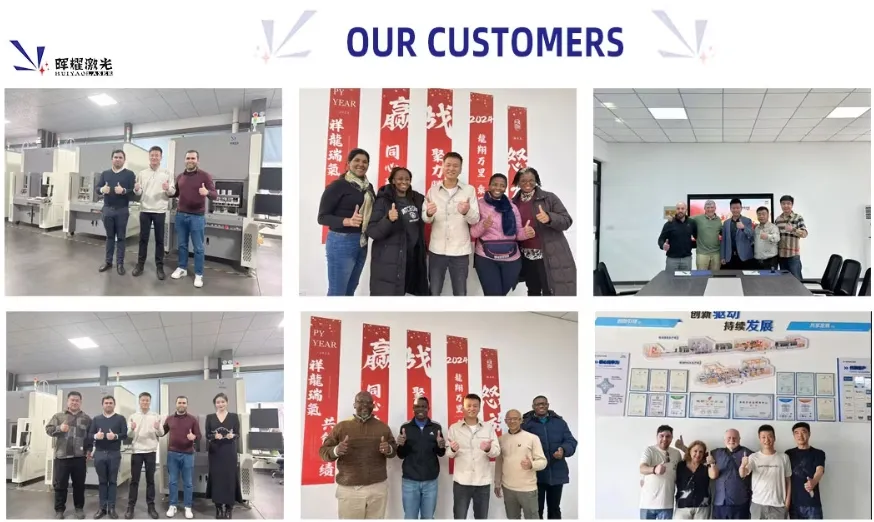
🌍 Exhibition & Customers
Frequently Asked Questions
Q1. What checks are required before starting the equipment?
Ensure sufficient inert gas supply (oxygen level <100ppm), verify powder filling meets minimum requirements (30% capacity), and calibrate scraper leveling (±0.01mm).
Q2. How to extend the lifespan of the laser system?
Regularly clean laser optics every 200 hours, avoid prolonged full-power operation (keep ≤80%), and maintain a stable cooling water temperature at 20±2ºC.
Q3. How to maintain the powder recycling system?
Clean the sieve after each print to prevent clogging, inspect delivery pipes monthly, and replace powder filters every 500 hours or 200kg of powder processed.
Q4. How to handle abnormal alarms during operation?
Record the alarm code, refer to the operation manual, check sensor status (oxygen, temp, pressure), and contact technical support with log files.
Q5. How to ensure consistent print quality?
Regularly calibrate the laser beam path every 100 hours, use standard test pieces for verification, and monitor melt pool stability via high-speed cameras.
Q6. What should be considered for long-term equipment shutdown?
Empty and clean the powder/build chambers, disconnect power, drain the cooling system, and perform a monthly self-check start.

Related Products