3D Rapid Prototype Slm Plastic Products High-Quality Custom SLA/SLS/Fdm 3D Printing Rapid Prototyping Servic

Still deciding? Get samples of $ !
Request Sample

Product Description

📊 Basic Information
Model NO.3D print service SLA
Printer MaterialPLA
Nozzle Number5
Forming TechnologySLA
Raw MaterialResin Plastic Metal
ColorWhite, Gray, Transparent, Black
Tolerance0.08mm
Leadtime3 Days
Transport PackageCarton Box
Specification30*30*12
Production Capacity1,000,000,000
🛠️ Product Description

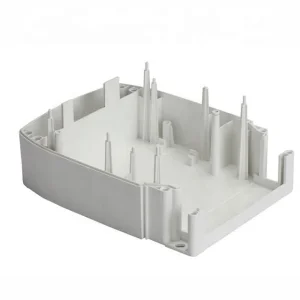
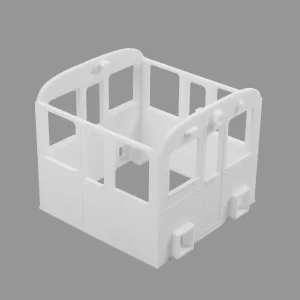
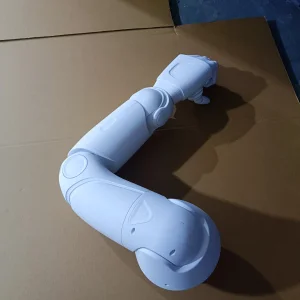
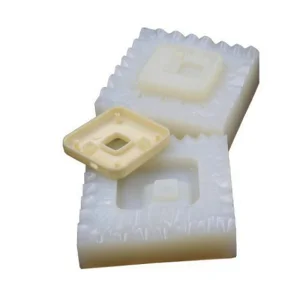
3D Print Service for Rapid Prototype

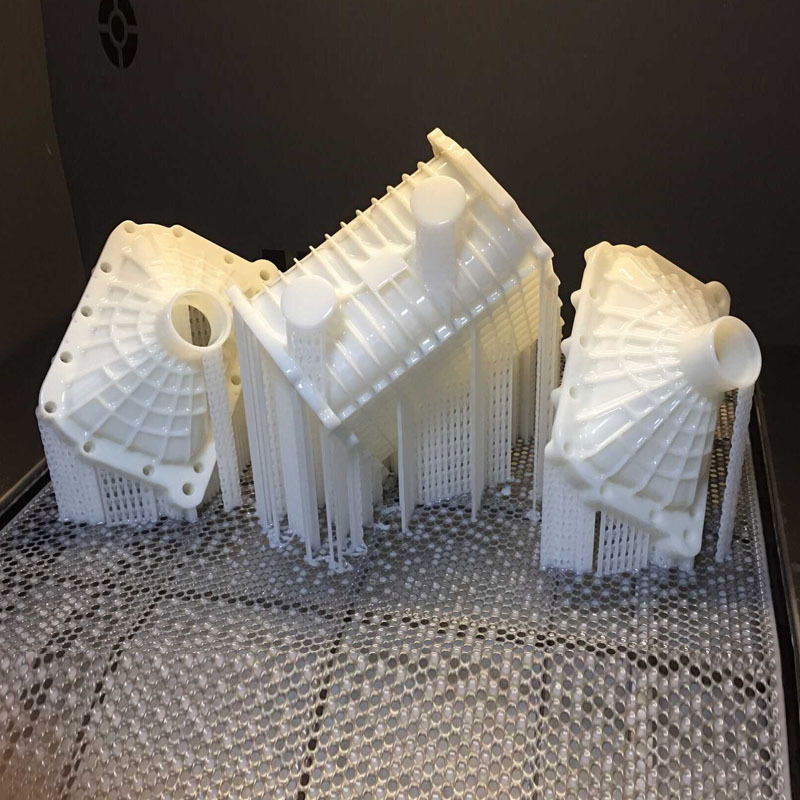
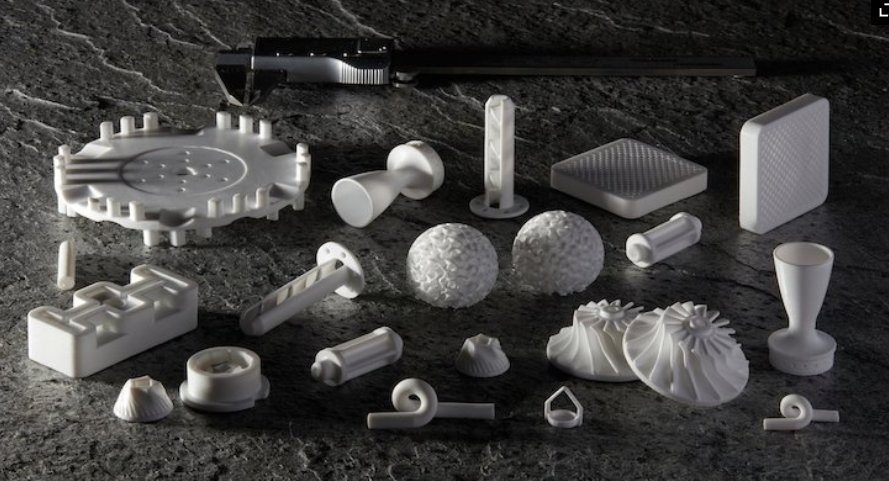
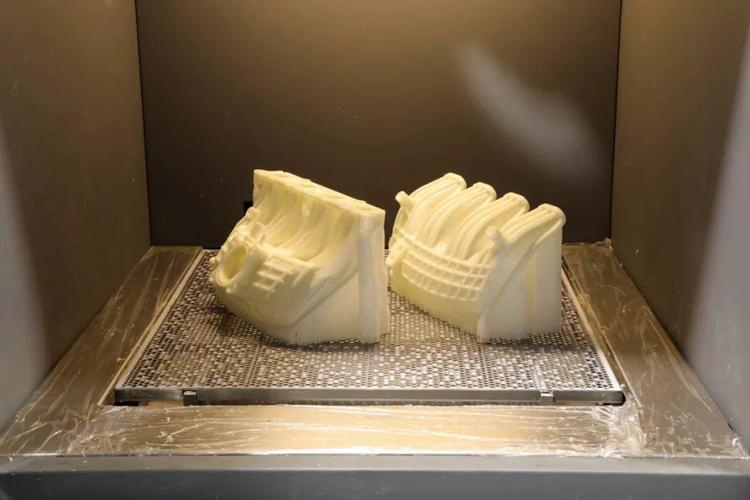
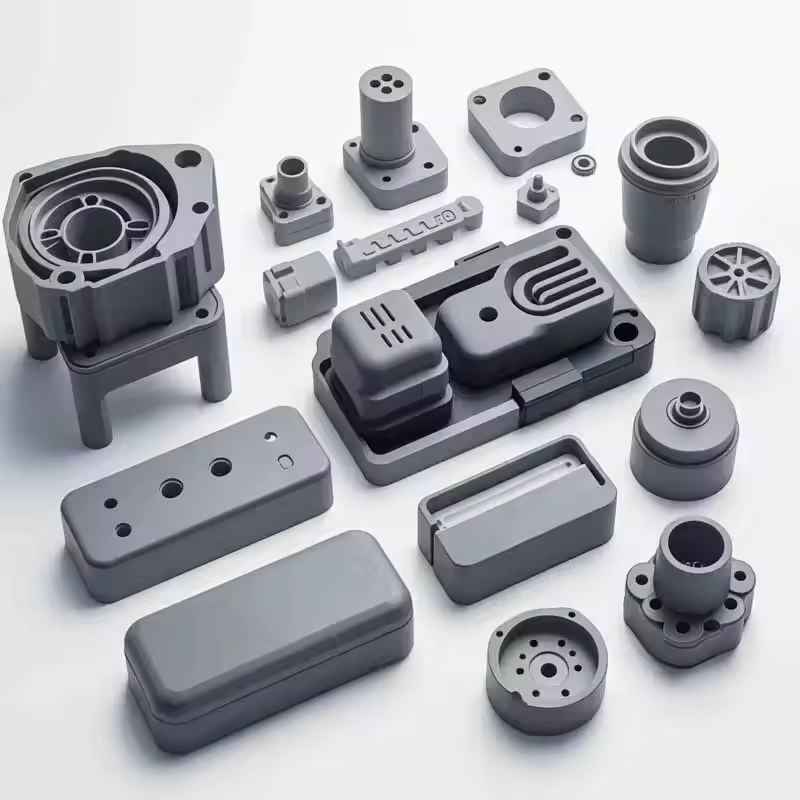
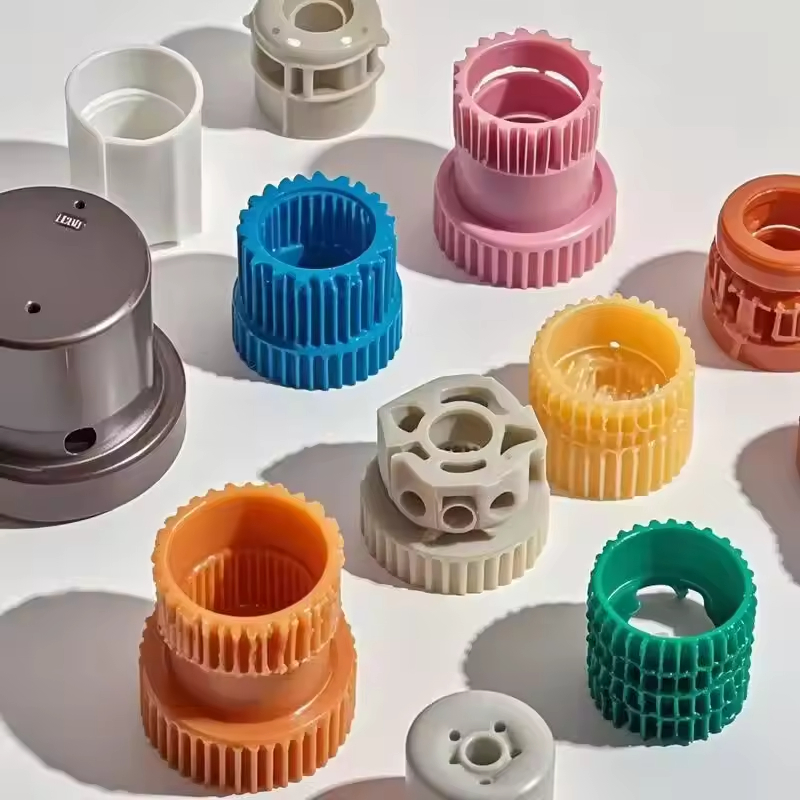
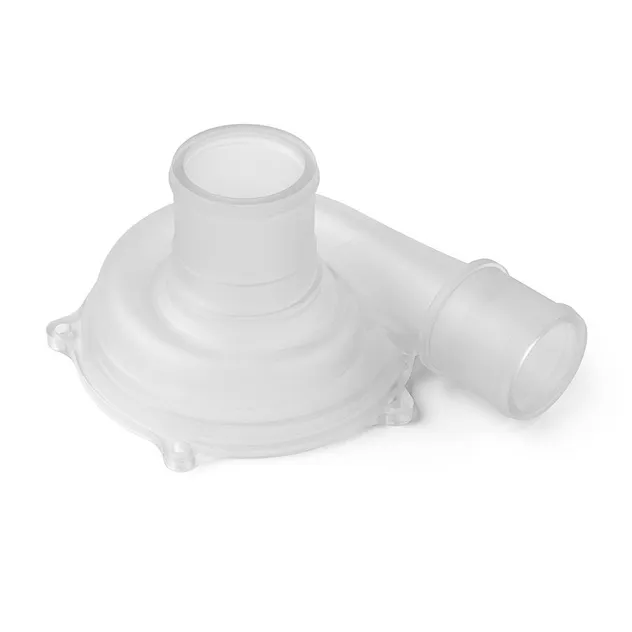
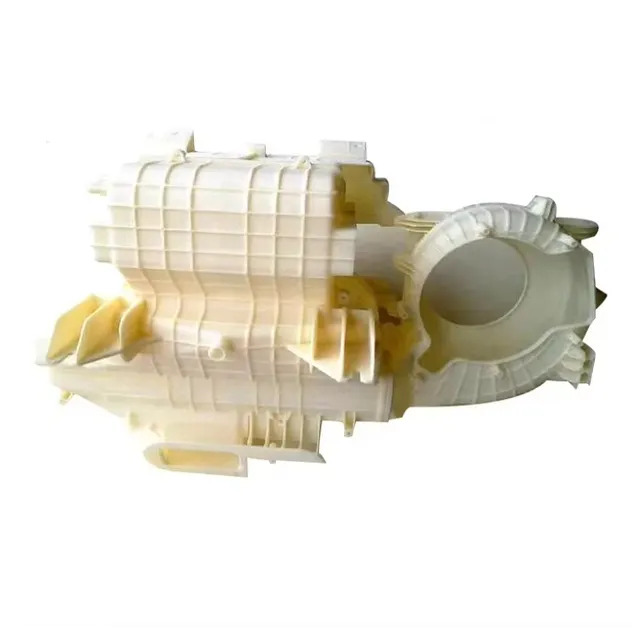
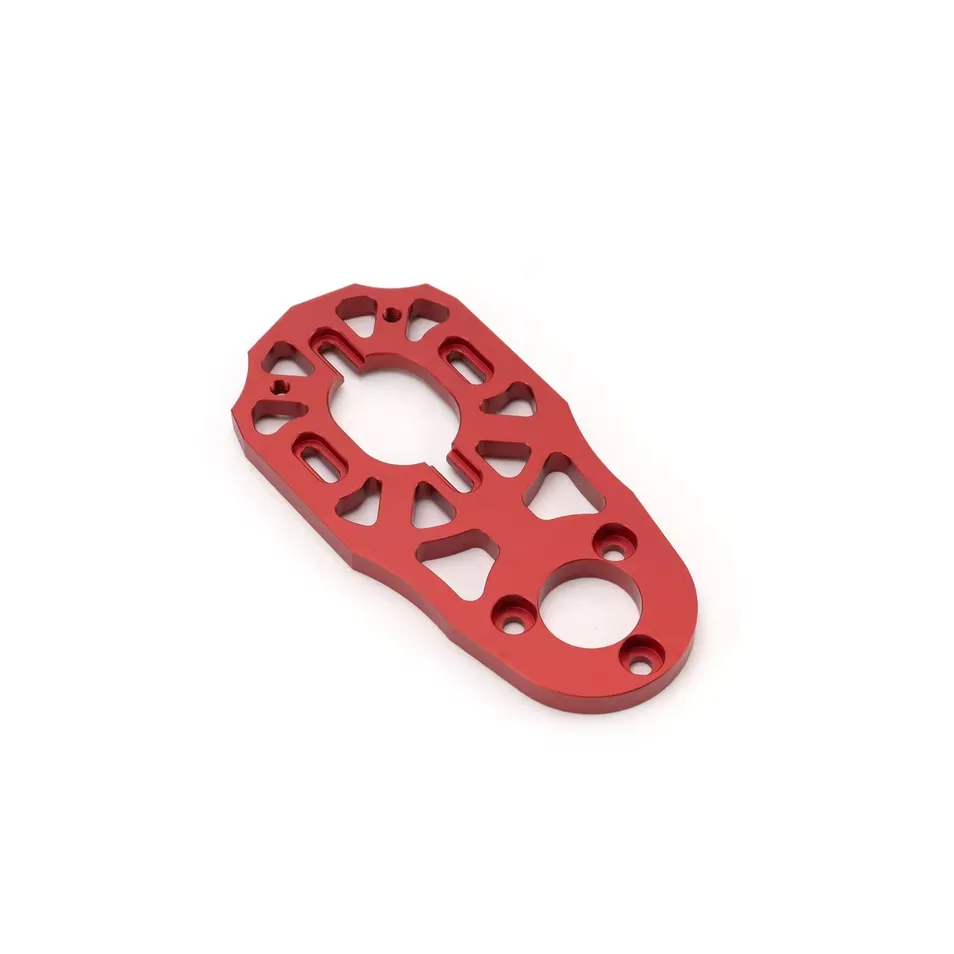
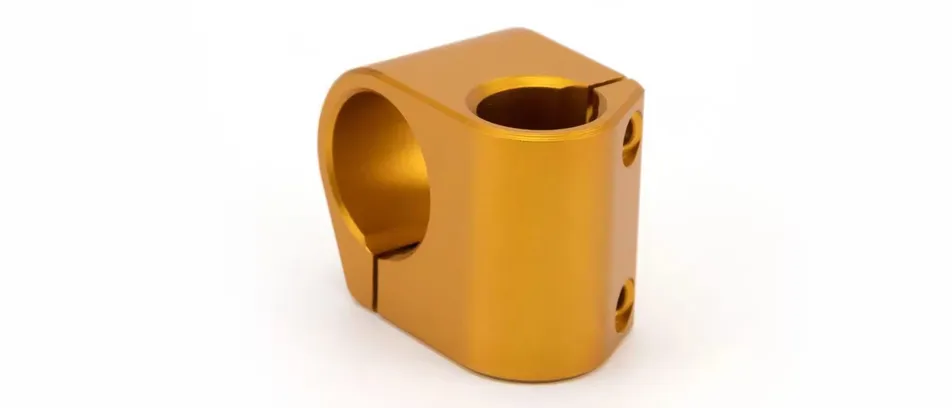
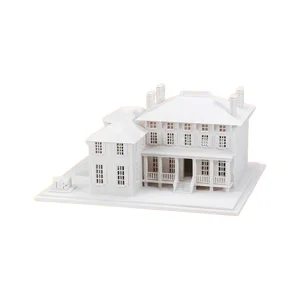
3D Print Custom Material Resin and metal services provide a fast way to produce parts without the need for expensive molds and fixtures. It is an ideal choice when designing new parts to check fitment before kicking off mass production.
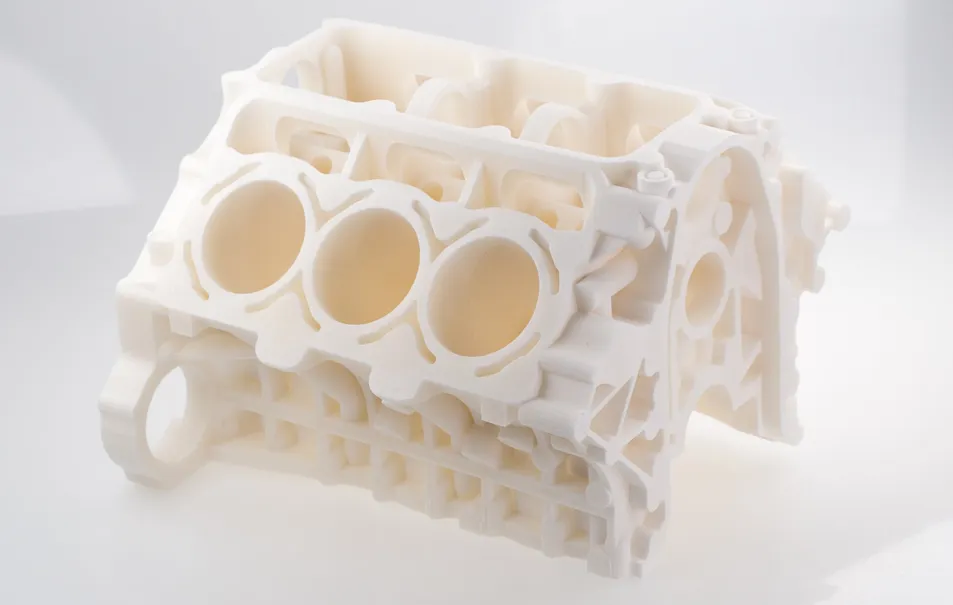
3D Rapid Prototype Slm
High-Quality Custom SLA/SLS/FDM 3D Printing
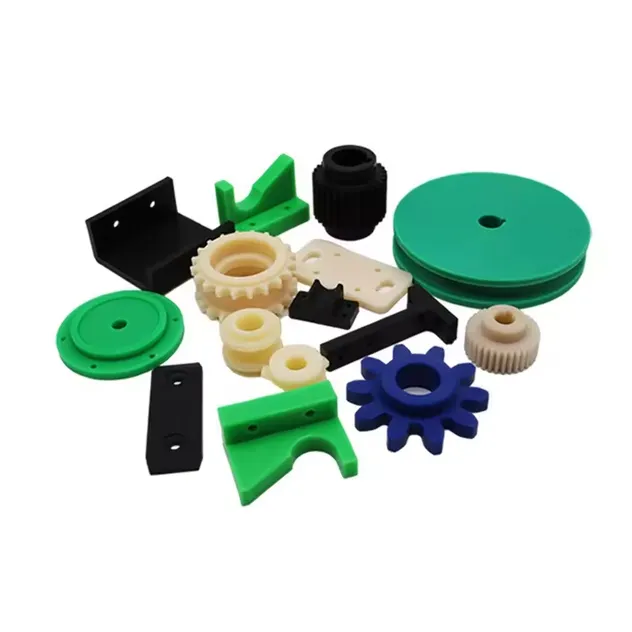
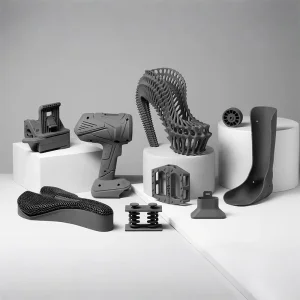
Technology Advantage: Whether using SLA, SLM, or SLS, 3D printing handles complex designs efficiently. Raw materials range from ABS, Nylon, TPU, and Plastic Model Resin to various metals for Laser Rapid Prototyping.
🚗 Application: Engine Block & Automotive Parts

Applications include engine blocks, oil pans, oil pumps, cylinder heads, transmission parts, and more. For reverse engineering, 3D printing by SLM allows for testing tolerance (within 0.05mm) and fitment before high-cost mold investment.
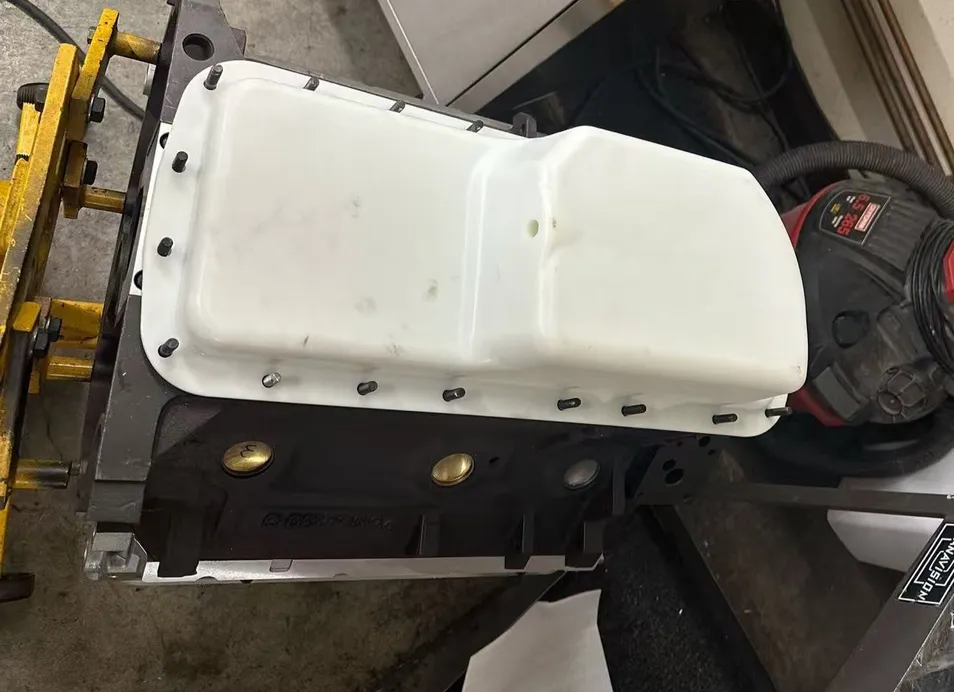
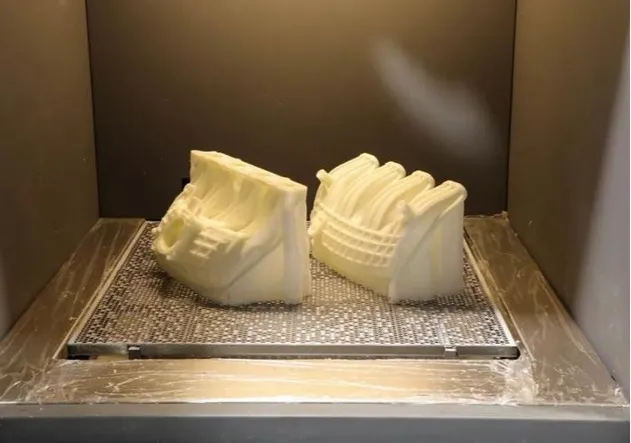
Engine oil pan
Engine oil pan - 3D printing SLM
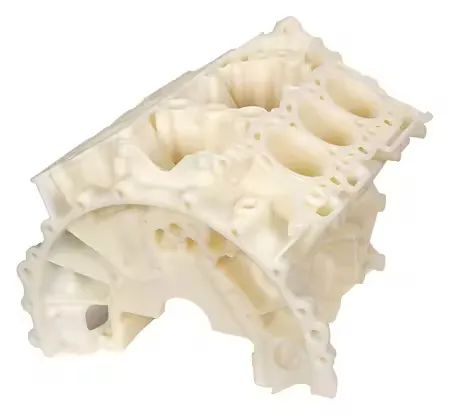
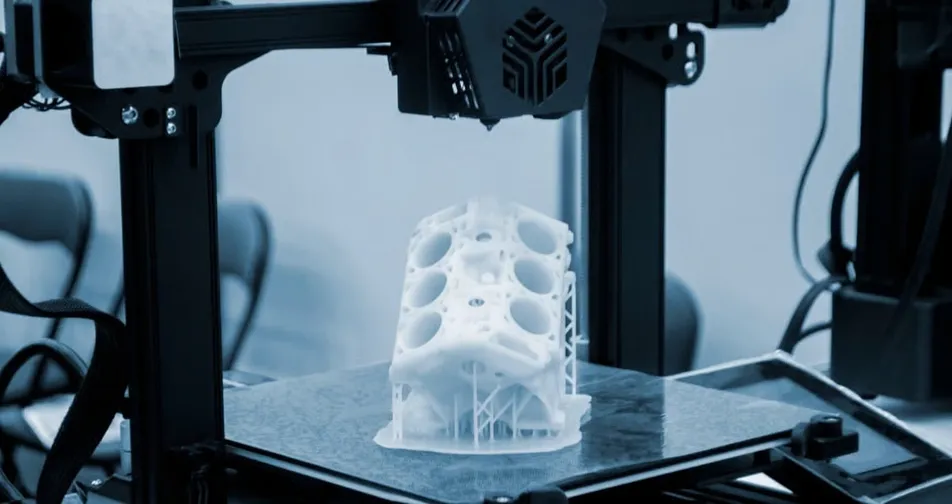
FDM Engine block
FDM Engine block Prototype

FDM 3D printing supports materials like PLA, ABS, PETG, and Nylon. While FDM layers (nozzle size ~0.5mm) are thicker compared to SLA (layer ~0.01mm), it is a robust choice for functional testing of engine components.
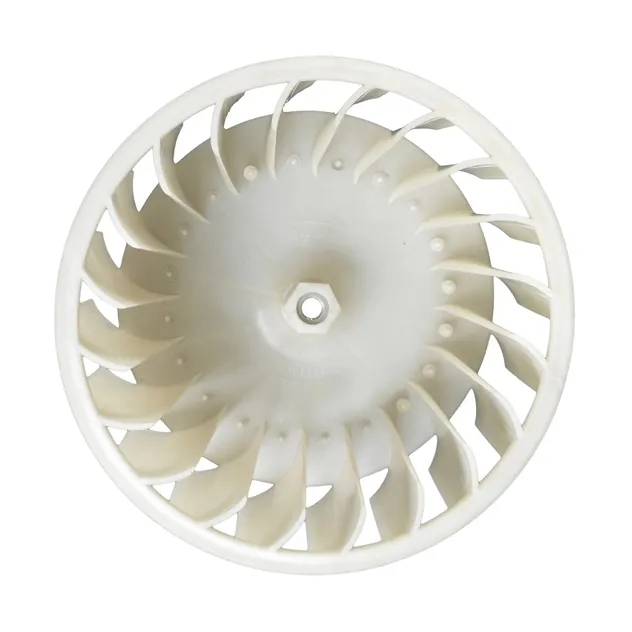
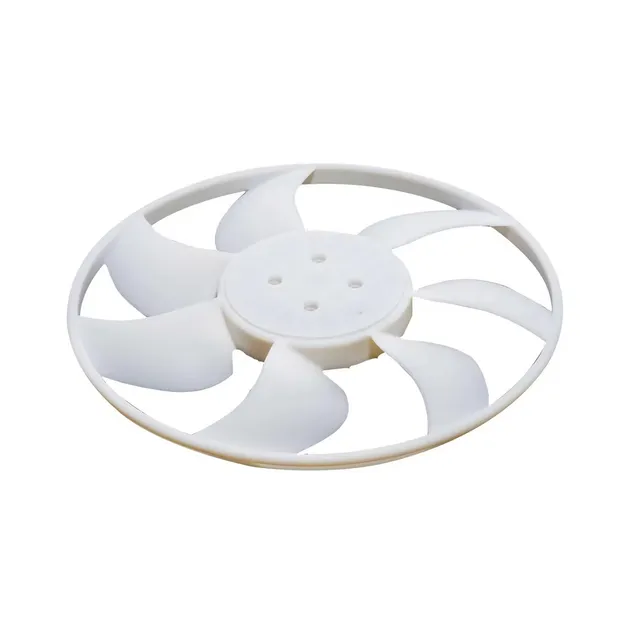
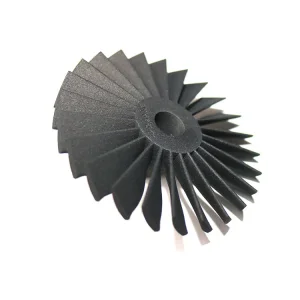
Motor Fan
Motor Fan Prototype
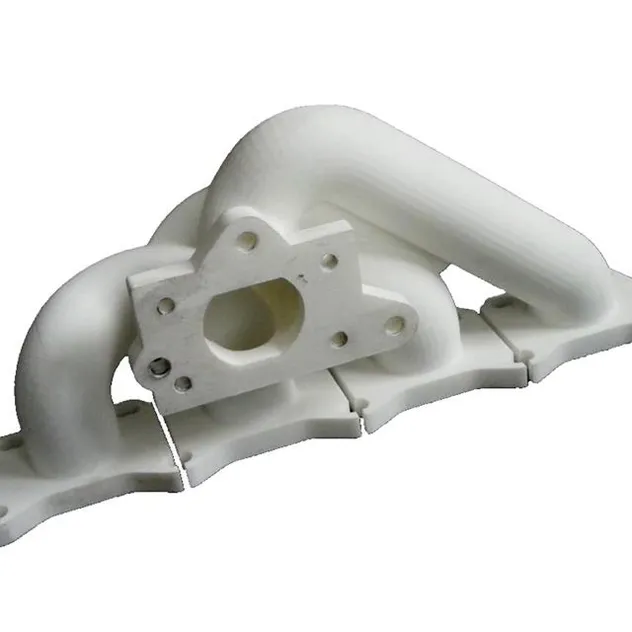
Exhaust manifold
Exhaust Manifold Sample
Thermostat cover
Thermostat Cover
🌐 Rapid 3D Printing Prototype Technology

3D printing is an additive manufacturing process suitable for any 3D CAD design. It supports simple or complex structures, transparent or opaque finishes, and soft or hard functions across aerospace, automotive, medical, and electronic industries.
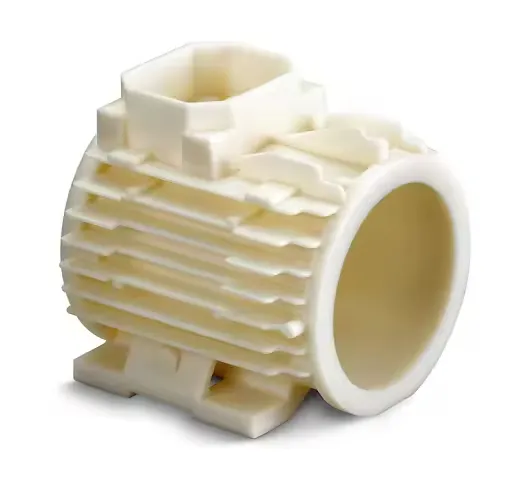
Motor case
Motor Case Resin Printing
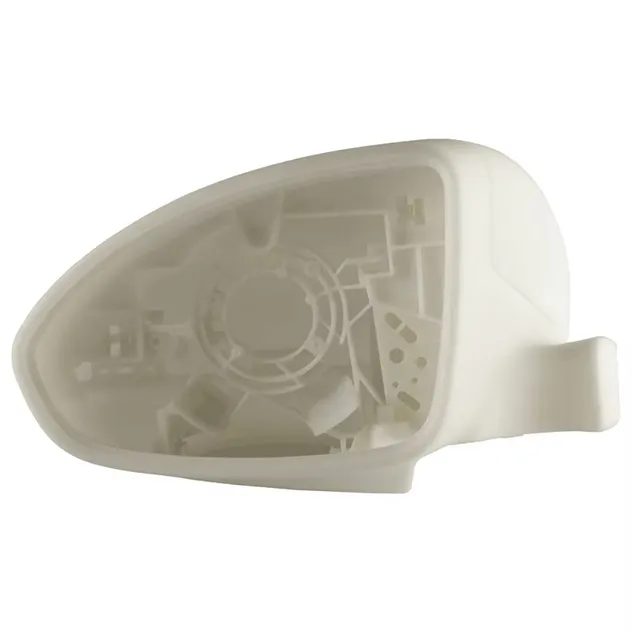
Rear mirror bracket
Mirror Bracket Printing
Air conditioner
Car Air Conditioner Prototype
🏭 Capacity & Equipment
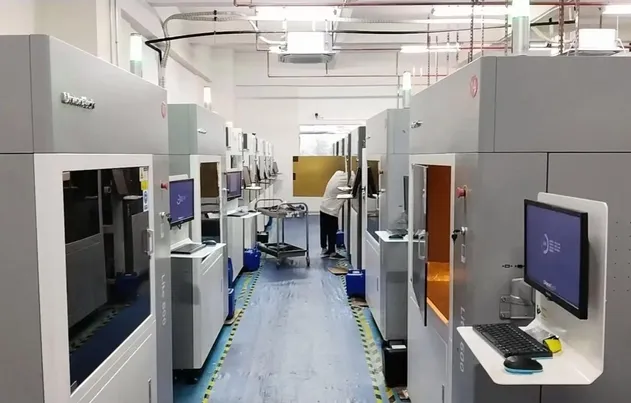
Machine 1
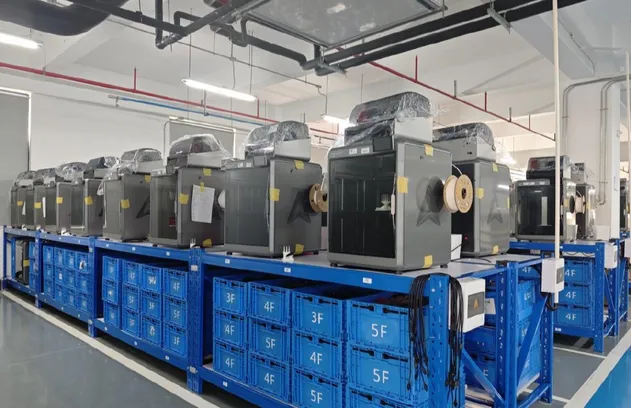
Machine 2
Machine 3
Build Material Supported Types Operating System Technology
PLA, ABS, PETG, Nylon1.75 / 2.85 / 3.0 mmWindows OSFDM
FeaturesAuto LevelingCapacity2000 units
Model External Size (mm) Build Envelope (mm)
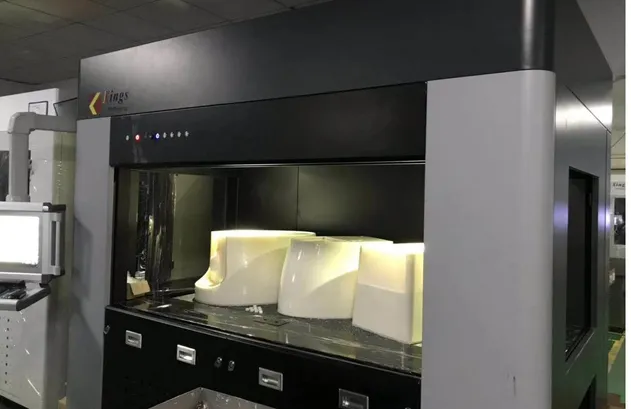
SLA450450*450*350430*420*348
SLA600600*600*400580*570*398
SLA800800*800*500780*770*549
SLA14001400*700*5001370*670*498
SLM280*280*350280*280*350
🔬 SLM - Selective Laser Melting

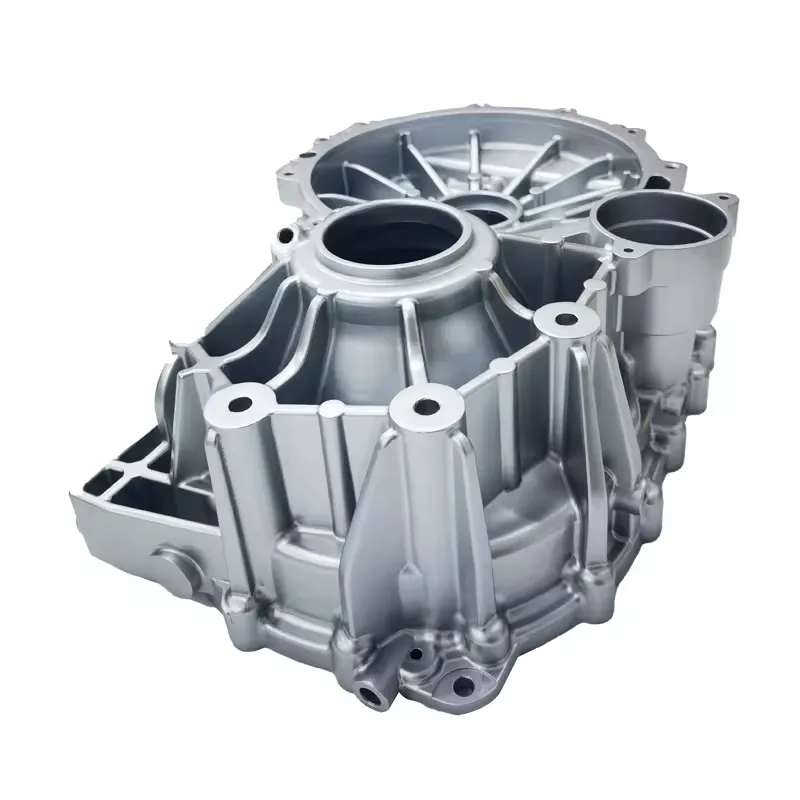
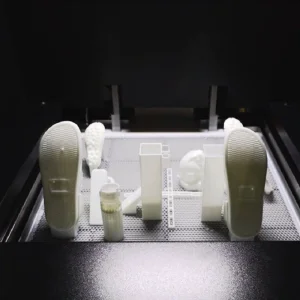
SLM technology melts metal powder into solid parts layer by layer. Suitable for stainless steel, mold steel, cobalt-chromium alloy, titanium alloy, and aluminum alloy. Excellent for complex internal channels like valve ports and transmission cases.
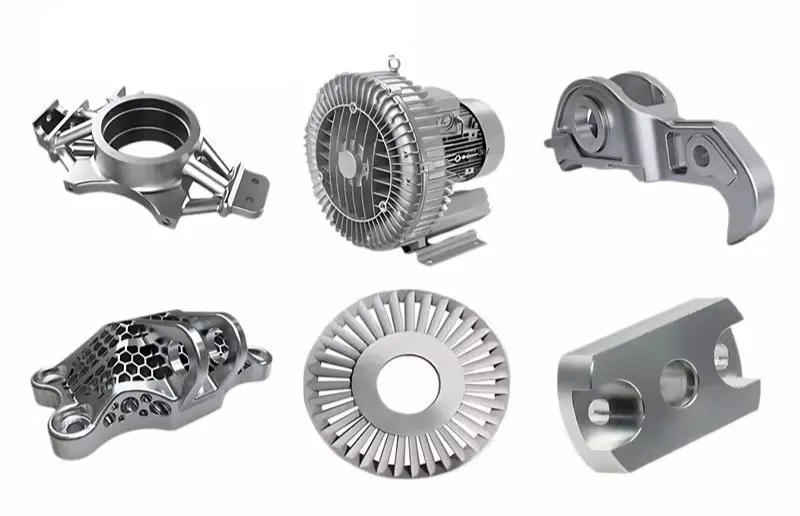
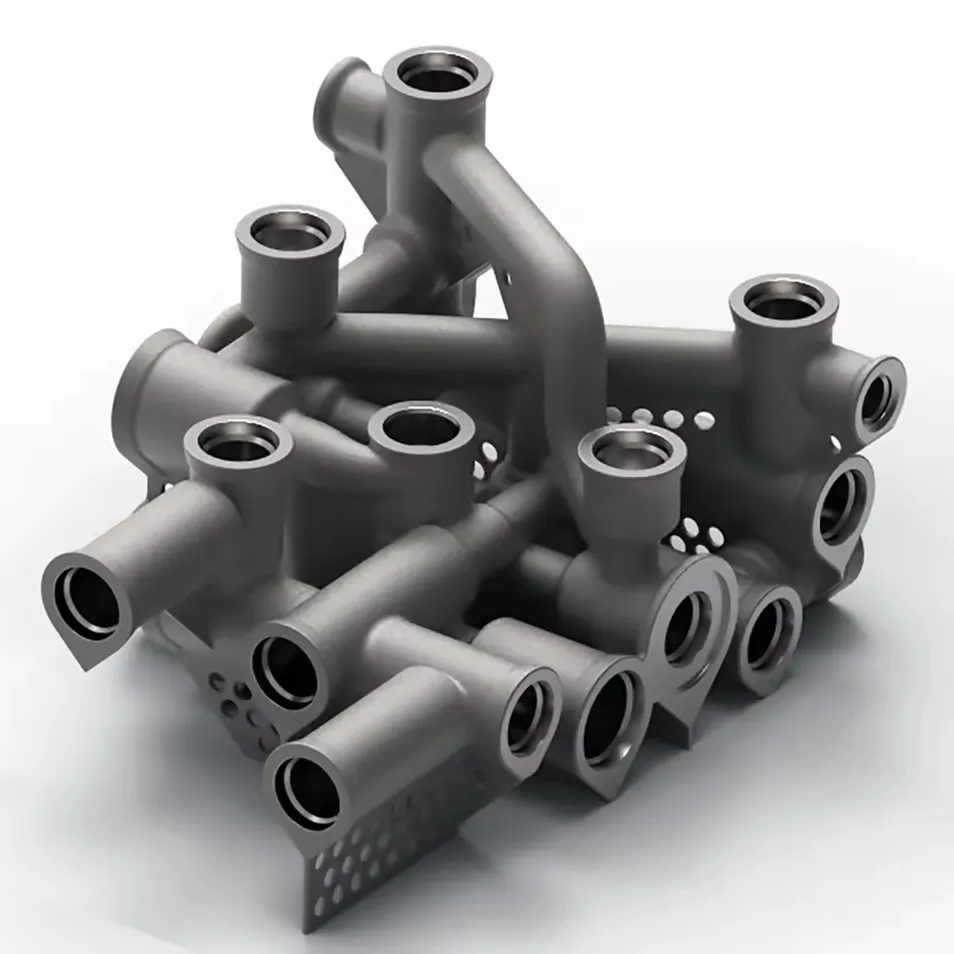
SLM Process
Multi-channel valve
Transmission case
Finished Case Studies
Case 1
Case 2
Case 3
Air condition cover
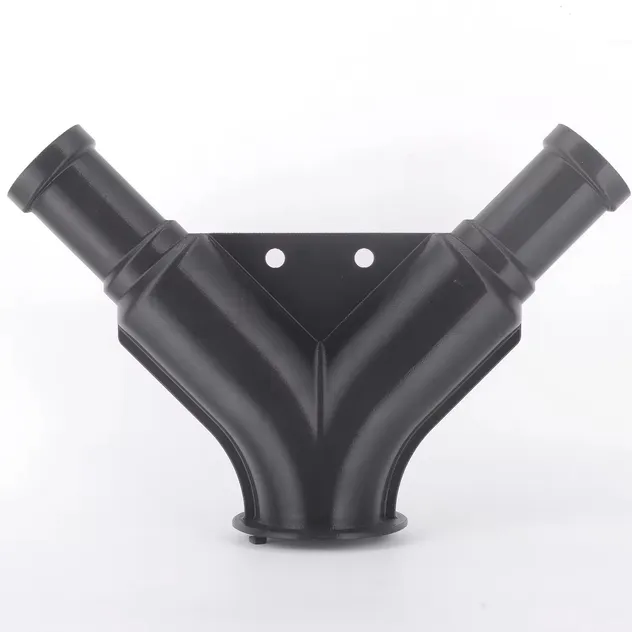
Coolant water pipe
Intake manifold
Detail 1
Detail 2
Detail 3
Wide Detail 1
Wide Detail 2
❓ Frequently Asked Questions
Q1: What materials are available for your 3D printing services?
We offer a wide range of materials including ABS, Nylon, TPU, PETG, and PLA for plastic parts, various resins for SLA, and metals like Stainless Steel, Titanium, and Aluminum alloys for SLM.
Q2: What is the typical lead time for a 3D printed prototype?
Our standard lead time for most 3D printing projects is approximately 3 days, though small parts can sometimes be completed in just a few hours.
Q3: How precise are the printed components?
We can achieve high dimensional accuracy with tolerances as tight as ±0.05mm to 0.08mm, depending on the technology and material used.
Q4: Can you handle large-scale parts?
Yes, our large-scale SLA printers (such as the SLA1400) have a build envelope of up to 1370*670*498mm to accommodate substantial components.
Q5: Is 3D printing suitable for testing automotive engine parts?
Absolutely. 3D printing is ideal for checking the fitment of engine blocks, oil pans, and manifolds. It allows for design verification and interference checks before investing in expensive mass-production molds.
Q6: What is the difference between SLA and FDM surface quality?
SLA uses liquid resin and a laser to produce extremely smooth surfaces with layer thicknesses of 0.01mm. FDM melts filament and has visible layers (~0.5mm), making it better for functional prototypes where surface finish is less critical than strength.

Related Products