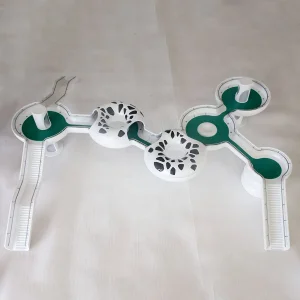
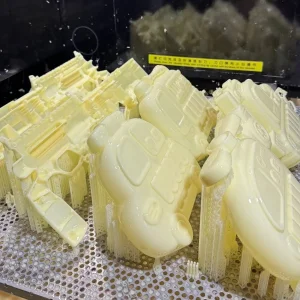
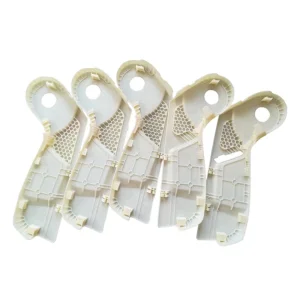
Direct manufacturing solutions optimized for the unique requirements of the Gulf of Guinea maritime and onshore industrial operations.

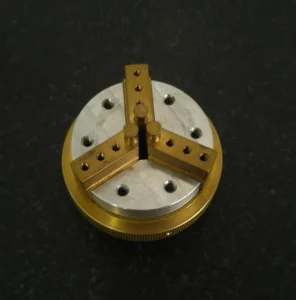
As one of Central Africa's primary hydrocarbon producers, Equatorial Guinea (focused around Bioko Island, Malabo, and the continental region of Bata) is rapidly steering its economy toward diversification and technological modernization. Industrial infrastructure in the region—spanning offshore oil platforms, maritime logistics ports, gas processing terminals, and urban development projects—requires immediate, high-fidelity supply chain options. Traditional procurement pathways often lead to protracted lead times, high logistics costs, and custom clearance bottlenecks.
This is where advanced additive manufacturing steps in. By transitioning from physical inventory to digital CAD warehouse models, enterprises in Malabo, Bata, and the Luba Free Port can order custom components directly from a leading engineering partner, achieving unprecedented operational continuity. Shenzhen Diem's specialized 3D printing and precision CNC capabilities solve the logistical challenges of remote West African operations by providing high-quality, certified end-use parts on demand.
Modern industrial ecosystems demand complex supply chains that are resilient to disruptions. Our macro-level solutions focus on reducing dependency on single-source physical components. Through Selective Laser Melting (SLM), Selective Laser Sintering (SLS), and Stereolithography (SLA), we engineer structural, functional parts that replace cast or forged items with comparable tensile strength and superior geometric complexity.
Using ultra-fine metallic powders (such as Stainless Steel 316L, Titanium Ti6Al4V, and high-temp Inconel), our Selective Laser Melting systems fuse cross-sections layer-by-layer to construct heavy-duty machinery parts. This is vital for offshore marine valves, custom drill bushings, and salt-water resistant pump components deployed in the Gulf of Guinea.
For protective covers, non-conductive electrical housings, and precision fluid-handling conduits, our SLS Nylon PA12 and high-impact SLA resins yield structural elements capable of enduring tropical environments, high UV indexes, and saline moisture profiles without degradation.
Globally, additive manufacturing has transitioned from a rapid-prototyping utility to a mainstream manufacturing pillar. Major energy operators, aerospace firms, and civil engineering conglomerates are shrinking their physical footprints. Warehouses full of dormant components are replaced by encrypted digital files, ready to be manufactured within days of an order.
In this global paradigm, Equatorial Guinea's industries benefit significantly. By outsourcing fabrication to specialized hubs like Shenzhen Diem, local businesses leverage cutting-edge industrial equipment without incurring prohibitive initial capital investments, ensuring access to global-tier technologies at optimized rates.
Past, Present, and Future – Building a Stronger Community Through Innovation
In 2010, Shenzhen Diem Printer Equipment Co., Ltd. was established with a vision: not just to manufacture digital printing equipment, but to harness technology to create meaningful value for communities and industries alike. Our mission from the beginning has been to introduce cutting-edge digital printing innovations to the market, while promoting sustainable growth in the technology sector.
Over the years, we have evolved from a small startup into a leading company with a diverse business portfolio. Our team brings together a wide range of skills, innovative thinking, and a shared passion for excellence. By leveraging the unique perspectives and expertise of each team member, we continually push the boundaries of what digital printing technology can achieve.
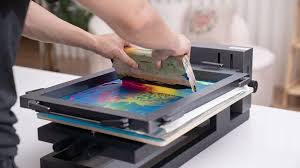
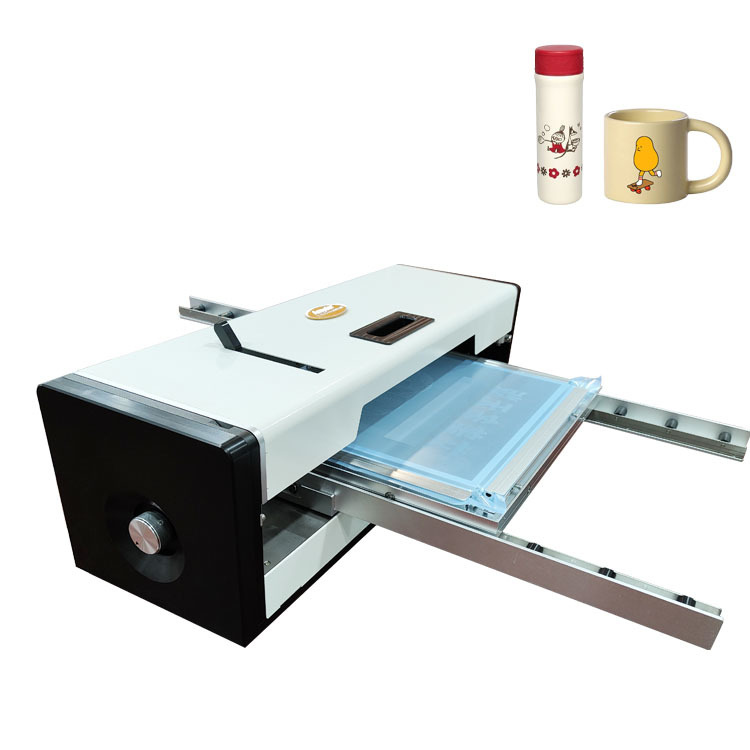
At Shenzhen Diem, we are committed to exploring and advancing the frontiers of digital printing. Our product lineup includes a wide array of digital printers, notably our digital silk screen plate making machines, which are designed to optimize efficiency, simplify workflows, and integrate environmentally friendly practices. Our equipment serves industries such as advertising, printing, and packaging, while also supporting sectors like handicrafts, electronics, and even the power system, demonstrating the versatility and broad impact of our technology.
For our key clients, we provide high-performance silk screen printing solutions capable of handling complex and large-scale printing tasks, empowering businesses to meet diverse market demands with precision and reliability.
We believe that extraordinary achievements happen when people unite around a common purpose. Our mission extends beyond technology: we aim to foster sustainable development where people, businesses, and the environment thrive together.
By harnessing collective wisdom and innovative thinking, Shenzhen Diem Printer Equipment Co., Ltd. remains steadfast in our brand promise: Creating Value Together. Through continuous improvement, innovation, and community engagement, we aspire to lead the industry while making a positive impact on society.
To understand the impact of our services, let's explore where these technologies are actively applied within the key zones of Equatorial Guinea:
Our commitment to E-E-A-T principles is backed by strict metallurgical testing and digital quality checks. Each industrial part fabricated for Equatorial Guinea's infrastructure undergoes rigorous inspection:
Our structural components are certified to international mechanical standards including ASTM, ASME, and ISO 9001, allowing local industrial operations in West Africa to replace OEM parts with absolute confidence in structural safety.
Connect with a Quality EngineerPrecision-engineered solutions utilizing high-performance alloys and carbon-reinforced materials.
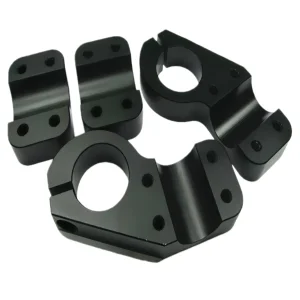
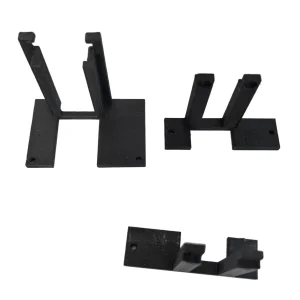
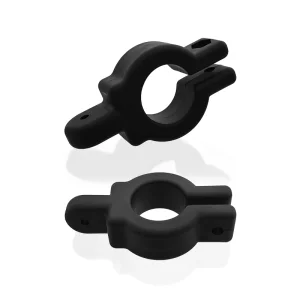
Our long-term blueprint focuses on integrating modern artificial intelligence with rapid tooling workflows to service developing trade pathways between Asia and Central Africa. The roadmap incorporates several major pillars:
Deploying machine learning models to analyze stresses in real-time and dynamically adjust the print head’s pathing, decreasing stress concentrations in 3D-printed alloys and structural plastics.
Developing proprietary bio-based, high-performance resins and recycled metallic powders capable of resisting extreme coastal conditions (humidity and thermal variation) without degradation during storage.
Customized parts, high-impact bumpers, functional scaling assemblies, and rapid quotes designed to optimize your lead times.
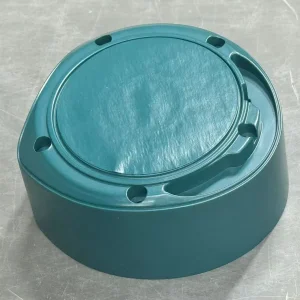
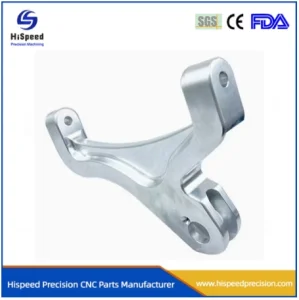
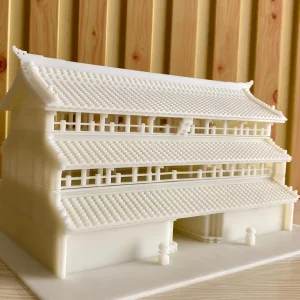
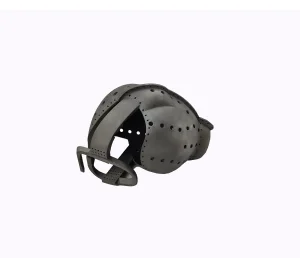
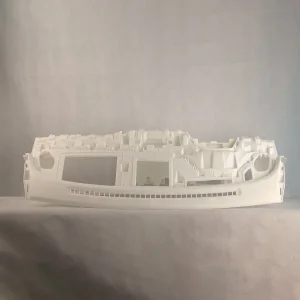
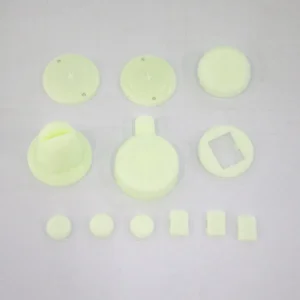
Understand the operational details, logistics, and material options available when ordering industrial 3D printing and custom machining components for Equatorial Guinea.
 Diem printer