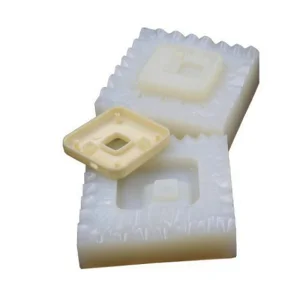
Diem printer
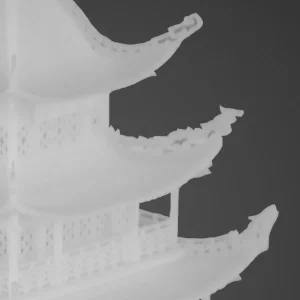
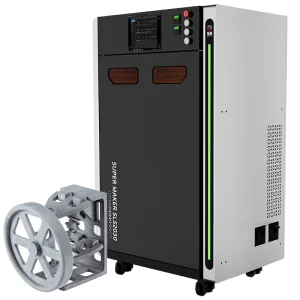
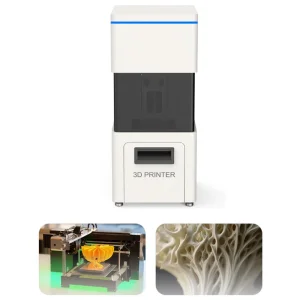
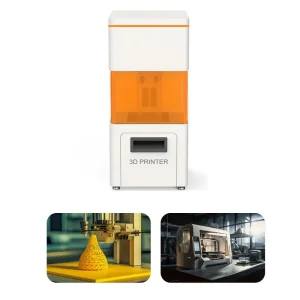
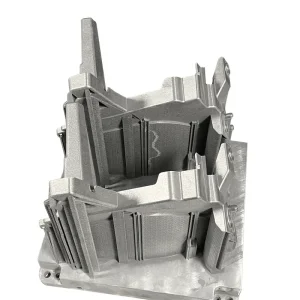
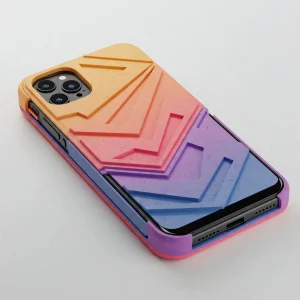
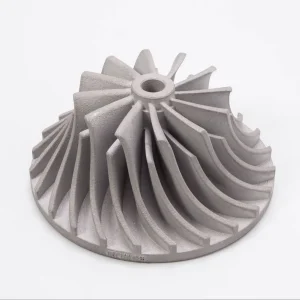
As the additive manufacturing (AM) landscape shifts from rapid prototyping to functional, end-use production, surface finish has become the critical differentiator. Vapor Smoothing (also known as Chemical Vapor Smoothing) represents the pinnacle of post-processing technology, transforming rough, porous, layer-by-layer 3D printed parts into components with injection-molded surface quality.
Technical Roadmap & Mechanism
Unlike mechanical abrasive blasting or tumbling, which can distort delicate geometries, vapor smoothing utilizes a precisely controlled chemical vapor environment. The solvent vapor interacts with the surface layer of the part, causing a controlled liquefaction (reflow) that closes surface pores and eliminates layer lines. This not only dramatically improves aesthetics but also enhances mechanical performance, such as fatigue resistance and waterproofing.
Global Industrial Status & Trends
Global demand for Custom OEM Vapor Smoothing is surging across the automotive, aerospace, and medical sectors. Current industry trends highlight a shift toward "lights-out manufacturing," where automated post-processing cells integrated with 3D printers reduce human touchpoints. Our expertise as an exporter lies in bridging the gap between advanced polymer science and scalable, repeatable production cycles that meet ISO manufacturing standards.