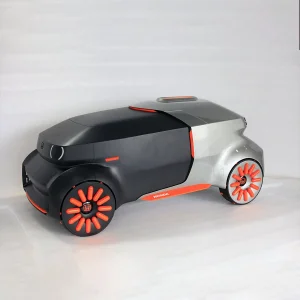
In the contemporary landscape of rapid manufacturing, Vacuum Casting (often referred to as Urethane Casting or Silicone Molding) has emerged as the bridge between initial prototyping and full-scale injection molding. As a leading China Vacuum Casting Prototyping Supplier, we understand that global enterprises are no longer just looking for a "vendor"—they are seeking a strategic partner capable of providing Information Gain through technical insight, material science, and supply chain resilience.
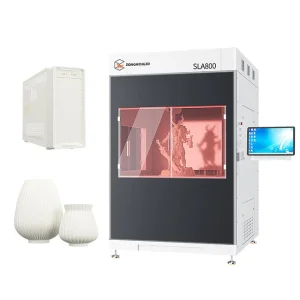
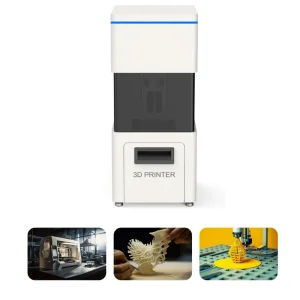
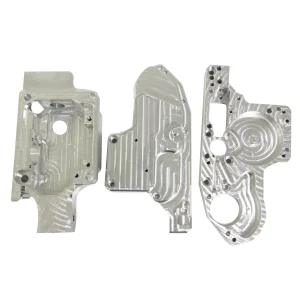
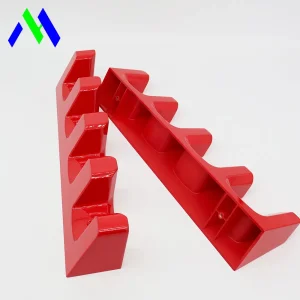
Vacuum casting involves creating a silicone mold from a master pattern (often produced via 3D printing or CNC machining) and then injecting polyurethane resins into the mold under vacuum conditions. This process is essential for producing high-fidelity parts with properties nearly identical to production-grade plastics like ABS, PMMA, or Nylon.
Accuracy Rate
Rapid Quotation
Material Variants
Global Clients
The Shenzhen-Dongguan manufacturing cluster provides an ecosystem where raw materials, master pattern services, and logistical hubs are within a 50km radius, reducing lead times by 40% compared to Western counterparts.
With decades of experience, Chinese engineers have perfected the "Silicone Mold Longevity" technique, extracting up to 25-30 high-quality shots from a single mold, significantly lowering the per-unit cost for low-volume production.
We adhere to ISO 9001:2015 standards and provide full material certifications (RoHS, REACH). Our localization support includes technical documentation in English, German, and Japanese to ensure seamless integration into your engineering workflow.
The prototyping industry is undergoing a digital transformation. AI-driven DFM (Design for Manufacturing) analysis is now used to predict resin flow and shrinkage rates before the silicone is even poured. As a forward-thinking China Vacuum Casting Prototyping Supplier, we utilize digital simulations to ensure that complex geometries—such as undercuts and thin-walled sections—are captured with 0.1mm precision.
Sustainability is another key trend. We are witnessing a shift toward eco-friendly resins and recyclable silicone molds, catering to the "Green Procurement" requirements of Fortune 500 companies.
Functional dashboards and interior trim components requiring soft-touch textures and high heat resistance. Vacuum casting allows for the over-molding of different materials to simulate luxury finishes.
Biocompatible resins are used to create ergonomic housings for surgical tools and diagnostic equipment, facilitating clinical trials without the massive investment of steel molds.
Pre-launch marketing samples and "looks-like/works-like" prototypes for smartphones, wearables, and home appliances, featuring high-gloss or matte finishes.
Past, Present, and Future – Building a Stronger Community Through Innovation
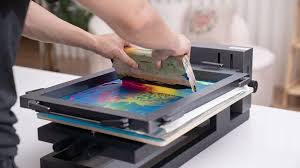
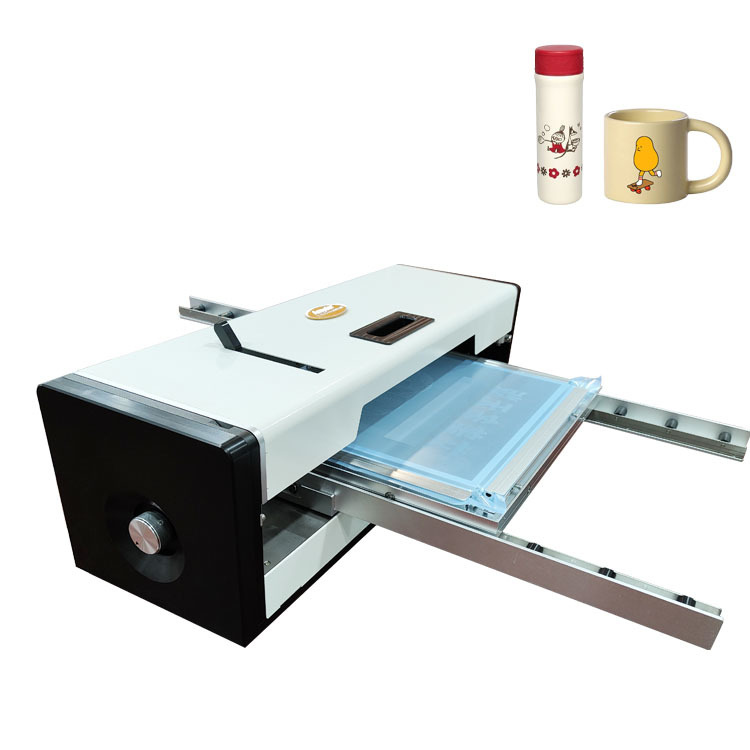
In 2010, Shenzhen Diem Printer Equipment Co., Ltd. was established with a vision: not just to manufacture digital printing equipment, but to harness technology to create meaningful value. Over the years, we have evolved from a small startup into a leading company with a diverse business portfolio, including digital silk screen plate making machines and advanced 3D printing integrations.
Our mission extends beyond technology: we aim to foster sustainable development where people, businesses, and the environment thrive together. By leveraging collective wisdom, we remain steadfast in our brand promise: Creating Value Together.
While 3D printing is excellent for geometry, Vacuum Casting provides superior material properties, surface finish, and color consistency. It is the most cost-effective method for quantities between 10 and 50 pieces where mechanical strength is critical.
Generally, once the master pattern is approved, a silicone mold takes 24 hours to cure. Parts can then be cast every few hours. A typical project of 20 parts is delivered within 7-10 days, including international shipping.
Yes, we use specialized polyurethane resins that mimic the properties of glass-filled materials, providing the stiffness and thermal stability required for functional testing in automotive and aerospace applications.
We operate under strict NDA (Non-Disclosure Agreement) protocols. Our internal data management systems are encrypted, and access to client designs is restricted to the specific engineering team assigned to the project.
 Diem printer