Explore our advanced CNC, SLA/SLS, and customized manufacturing components engineered for global industries.
Understanding the intersection of precision screen preparation, high-throughput imaging, and advanced subtractive/additive manufacturing.
In today's highly integrated supply chains, the term Industrial Graphics Printer extends far beyond standard commercial poster printing. It sits at the epicenter of functional engineering, surface treatments, electronics manufacturing, and rapid physical modeling. Globally, industries are shifting from traditional analog lithographic methodologies to computer-to-screen (CTS) digital plate-making and advanced 3D additive systems. This transition is motivated by a critical commercial driver: the reduction of set-up time and the elimination of chemical waste.
The global demand for high-end graphic application equipment spans diverse markets, from automotive control panels and medical device labeling to custom-molded high-density consumer items. At the same time, the convergence of physical molding, precision CNC machining, and additive 3D printing (using Selective Laser Sintering - SLS and Stereolithography - SLA) represents a major paradigm shift. For manufacturing plants, having the capability to execute high-fidelity graphics alongside structural parts fabrication within a unified supply ecosystem ensures unmatched speed-to-market.
How Shenzhen's technology cluster shapes the efficiency, precision, and performance of industrial equipment exports.
China, specifically the technology and industrial hub of Shenzhen, has evolved from a basic assembly floor to a primary center of printing R&D. China's industrial printer manufacturers utilize a complete component ecosystem. From high-grade optical lasers and custom linear drive motors to advanced proprietary control software, the integration of supply chains in China allows for faster design-to-production cycles than anywhere else in the world.
Moreover, companies like Shenzhen Diem Printer Equipment Co., Ltd. represent this technological shift. By focusing heavily on digital silk screen plate-making systems, they have addressed a major manufacturing bottleneck: screen exposure. By eliminating traditional film-based processing, Chinese innovations reduce the pre-press footprint, lower overhead, and eliminate hazardous development chemicals.
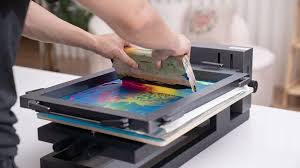
From high-fidelity graphic interfaces to structural functional parts across key sectors.
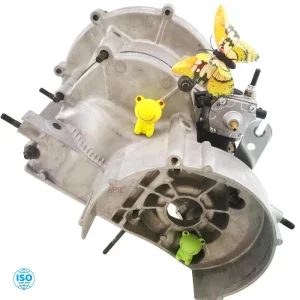
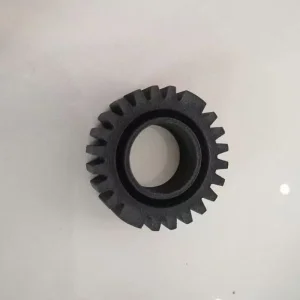
Production of high-wear dials, custom dashboard graphics, and interior interfaces. This works in tandem with precision rapid prototypes for engine and cabin components using heat-resistant SLS nylon printing.
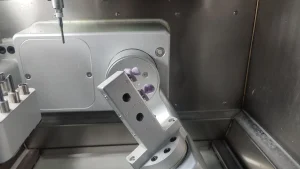
High-resolution SLA resin systems for functional dental prosthetics and surgical drill guides, alongside customized medical device graphics requiring biosafe inks and sterilizable substrates.
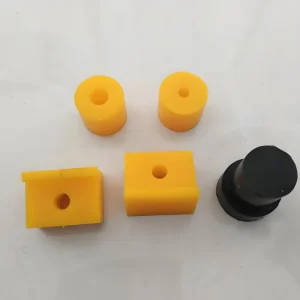
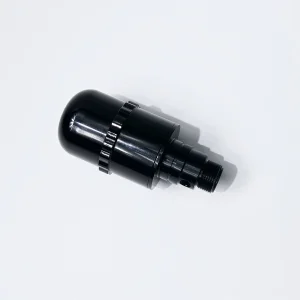
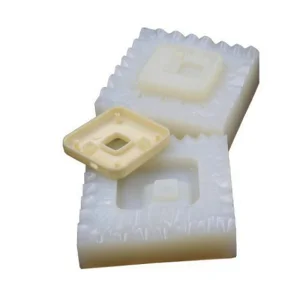
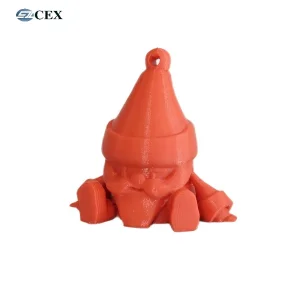
Rapid deployment of custom injection molded parts, decorative toy figurines via SLA printing, and direct surface decoration using digital plate-making technologies for high-volume screen printing.
Through these application channels, industrial-grade graphics printers and high-precision physical manufacturing units function together. A modern production floor requires both visual graphics and structural parts to be completed concurrently. For example, a medical device manufacturer requires both the interior injection-molded chassis and the exterior warning graphics printed with high-adhesion formulations to ensure long-term durability.
A Legacy of Engineering Innovation, Sustainable Progress, and Collaborative Value Creation.
In 2010, Shenzhen Diem Printer Equipment Co., Ltd. was established with a vision: not just to manufacture digital printing equipment, but to harness technology to create meaningful value for communities and industries alike. Our mission from the beginning has been to introduce cutting-edge digital printing innovations to the market, while promoting sustainable growth in the technology sector.
Over the years, we have evolved from a small startup into a leading company with a diverse business portfolio. Our team brings together a wide range of skills, innovative thinking, and a shared passion for excellence. By leveraging the unique perspectives and expertise of each team member, we continually push the boundaries of what digital printing technology can achieve.
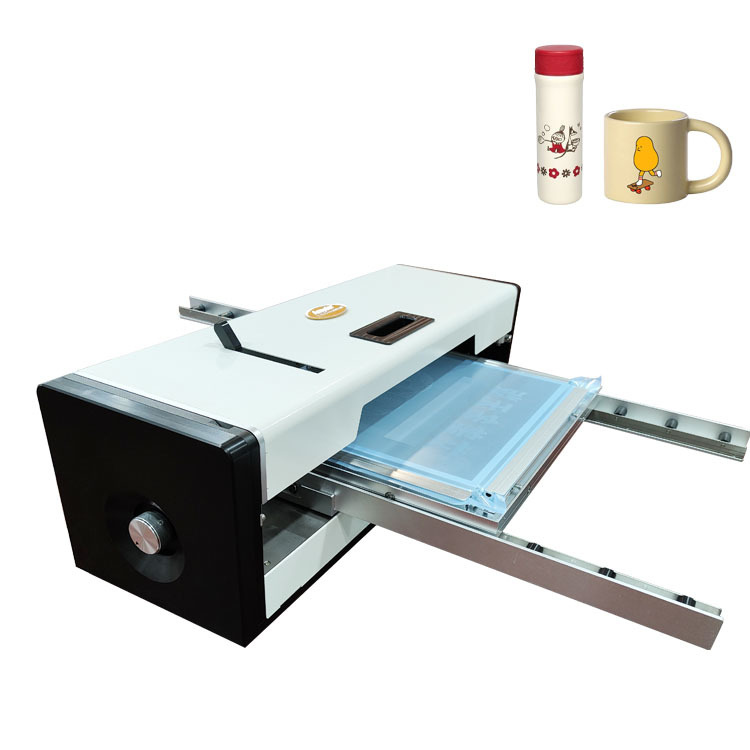
At Shenzhen Diem, we are committed to exploring and advancing the frontiers of digital printing. Our product lineup includes a wide array of digital printers, notably our digital silk screen plate making machines, which are designed to optimize efficiency, simplify workflows, and integrate environmentally friendly practices. Our equipment serves industries such as advertising, printing, and packaging, while also supporting sectors like handicrafts, electronics, and even the power system, demonstrating the versatility and broad impact of our technology.
For our key clients, we provide high-performance silk screen printing solutions capable of handling complex and large-scale printing tasks, empowering businesses to meet diverse market demands with precision and reliability.
We believe that extraordinary achievements happen when people unite around a common purpose. Our mission extends beyond technology: we aim to foster sustainable development where people, businesses, and the environment thrive together.
The technological developments that will dictate purchasing behaviors and production capabilities over the next decade.
Environmental regulations worldwide are forcing manufacturers to abandon high-emission chemical printing workflows. The adoption of digital silk screen plate-making systems, which do not require liquid development chemicals, serves as a cornerstone for complying with global green initiatives.
Modern graphic systems are increasingly integrated with cloud-based CAD/CAM platforms. Real-time predictive maintenance, auto-calibration of printheads, and integrated optical cameras verify print fidelity on the fly, reducing scrap rates to near zero.
Industrial firms are demanding systems that print graphics directly onto complex 3D-molded structural shapes. Hybrid layouts that utilize additive stereolithography for precision shapes alongside multi-axis ink printing allow manufacturers to execute both physical prototyping and graphical labeling in a single integrated workflow.
Essential checklist for international buyers sourcing industrial printing systems and custom manufacturing machinery from China.
Procuring high-value machinery from overseas requires meticulous evaluation of technical competence, customization capacity, and long-term service agreements. When auditing an OEM supplier in China, global procurement managers must look beyond unit pricing to evaluate total cost of ownership (TCO):
Detailed technical advice for engineering and procurement managers sourcing printing systems.
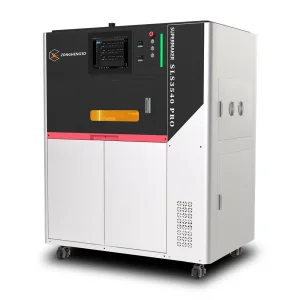
Digital silk screen plate-making systems utilize Computer-to-Screen (CTS) imaging technologies, projecting layout files directly onto the emulsion-coated mesh using high-power laser units or UV LEDs. This process eliminates film positives, reduces processing time by up to 60%, and avoids alignment errors caused by physical film expansion or contraction, making it ideal for precision industrial decals.
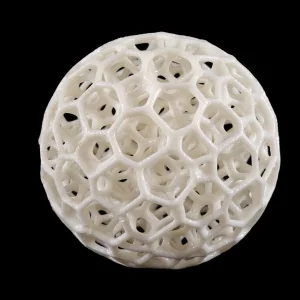
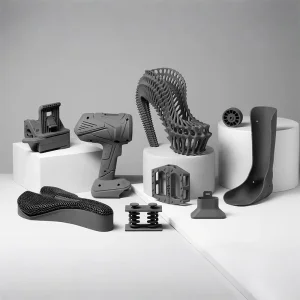
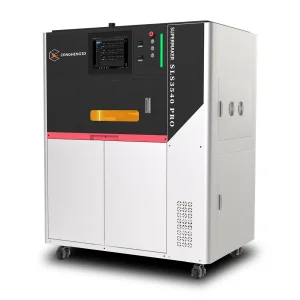
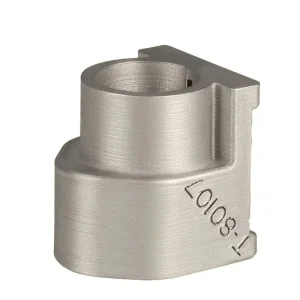
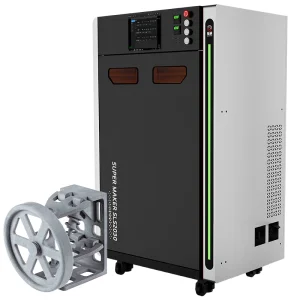
SLA (Stereolithography) and SLS (Selective Laser Sintering) create the physical structural substrates, housings, or custom-molded enclosures on which industrial graphics are applied. Sourcing these technologies together allows product developers to quickly refine both structural geometry and surface graphic interfaces simultaneously.
Reliability is determined by dimensional tolerance control, surface roughness specifications, and material verification. Sourcing partners in China utilize coordinate measuring machines (CMM) and spectrometer analysis to ensure components meet custom prints down to micron levels.
Machinery must comply with CE directives (Machinery Directive 2006/42/EC, Low Voltage Directive 2014/35/EU) for Europe, and UL/NFPA standards for North America. Additionally, RoHS and REACH compliance reports are necessary to confirm the absence of restricted hazardous substances in the device components.
Yes. Industrial graphic printing setups, especially screen-based setups, are designed to lay down thicker ink films. This enables the use of conductive silver inks, tactile UV varnishes, thermochromic formulations, and abrasive industrial pigments that would easily clog standard consumer inkjet nozzles.
Shenzhen Diem utilizes heavy-duty mechanical frame dampening, reinforced guide rails, and intelligent feedback control loops within the digital silk screen plate-making systems. This maintains precise positioning control even during long continuous operational cycles, preventing screen mesh distortion and image drift.
Explore our industrial 3D printers, custom metal fabrications, and specialized medical restoration hardware.
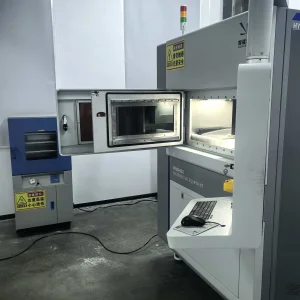
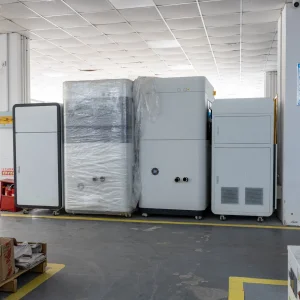
 Diem printer