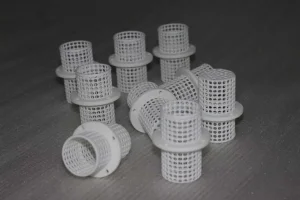
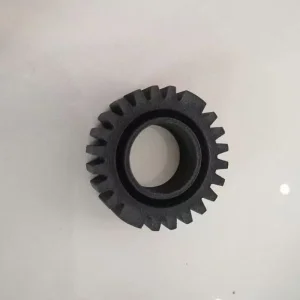
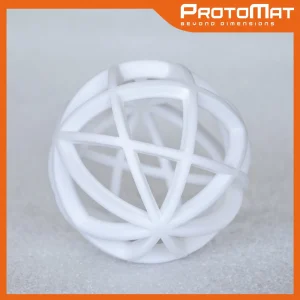
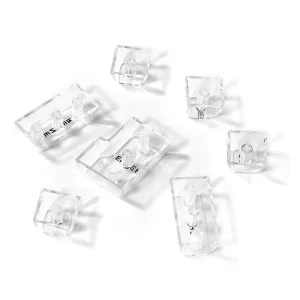
High-fidelity functional parts engineered for critical aerospace, medical, automotive, and industrial testing environments
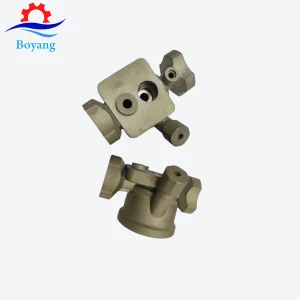
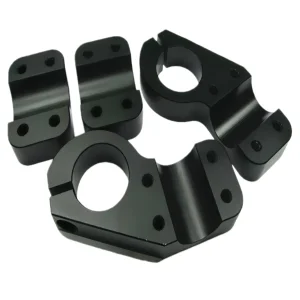
In the modern manufacturing arena, the bridge between concept and mass production is built on the strength of industrial-grade prototyping. Industries are transitioning from simple structural mockup iterations to high-fidelity, functional prototyping that simulates real-world mechanical stress, chemical exposure, and thermal environments. The global market for rapid prototyping services, estimated to exceed USD $25 billion by 2030, is driven by the urgent demand to compress product development cycles and minimize assembly-line risks.
Globally, sectors such as Aerospace, Automotive, Defense, Medical Devices, and Consumer Electronics require customized, high-precision component manufacturing. The expansion of supply chains across North America, Europe, and the Asia-Pacific region has increased the demand for export-grade prototyping partners. As an industry-leading OEM/ODM exporter, we specialize in high-precision, multi-material systems capable of delivering sub-millimeter tolerances and structurally stable components ready for functional verification.
The acceleration of advanced prototyping is underpinned by three macro trends:
A comparative overview of our industrial manufacturing methods designed to help engineers select the optimal process for functional requirements
| Technology | Common Materials Used | Dimensional Accuracy | Key Application Focus | Surface Quality (Ra) |
|---|---|---|---|---|
| Stereolithography (SLA) | Resins, Dental Bio-compatible Materials, ABS-like Resins | ±0.05 mm to ±0.1 mm | Visual models, dental patterns, micro-fluidic housings | 0.2 – 0.8 µm |
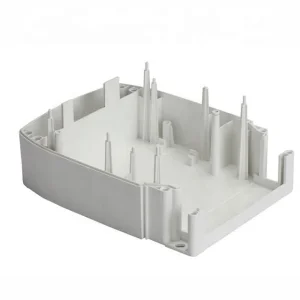
| Selective Laser Sintering (SLS) | PA12 Nylon, Glass-filled Nylon, TPU, PP-like Polyamides | ±0.15 mm to ±0.2 mm | Functional housings, living hinges, aerospace ducting | 4.0 – 8.0 µm |
| Selective Laser Melting (SLM / DMLS) | Inconel 718, Stainless Steel (316L), Aluminum (AlSi10Mg) | ±0.1 mm | Aerospace engine impellers, flow channels, medical implants | 8.0 – 15.0 µm |
| CNC Precision Machining | Carbon Black, PEEK, POM (Acetal), Aluminum, Stainless Steel | Up to ±0.005 mm | High-stress structural components, optical housings, molds | 0.4 – 3.2 µm |
Rather than viewing CNC machining and 3D printing as competing processes, our engineering methodology integrates both. By combining additive manufacturing (SLA/SLS/SLM) with subtractive CNC post-machining, we produce highly complex, optimized shapes that still feature precise tolerances (such as bearing surfaces and threaded connections). This hybrid approach represents the future of complex component development, offering design freedom alongside mechanical precision.
Furthermore, our materials research focuses on advanced thermoplastic polymers and metal superalloys. For instance, testing turbine flow channels made of Inconel 718 enables engineers to evaluate thermodynamic properties at temperatures up to 700°C. Similarly, carbon-black filled CNC polymers provide electrostatic discharge (ESD) protection, making them ideal for high-precision semi-conductor assembly tooling.
Why top-tier hardware manufacturers and engineering firms partner with our teams for critical validation cycles
Every shipment undergoes dimensional verification using coordinate measuring machines (CMM) and non-destructive testing (NDT), ensuring compliance with specifications.
From single-unit conceptual visual models to batch-level functional testing arrays, our global supply pipeline ensures delivery within critical deadlines.
We source and process engineering-grade resins, including Nylon PA12, PEEK, custom carbon-fiber compounds, and high-temp resins designed for harsh environments.
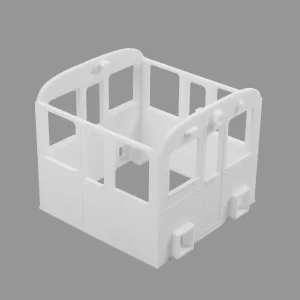
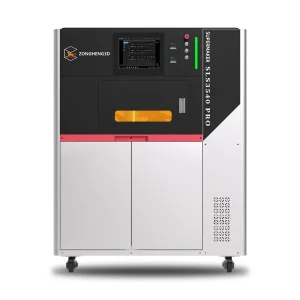
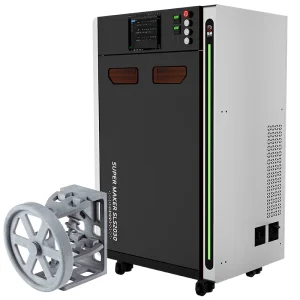
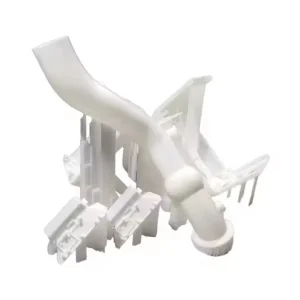
In highly regulated industries, visual mockups are no longer sufficient. Automotive engineers require aerodynamic ducting and intake manifolds printed via SLS (Selective Laser Sintering) in PA12 to withstand engine bay vibration and thermal cycling. Our high-format SLS 3540 PRO and SLS 2030 printers deliver stable, air-tight housings that can be directly mounted to test mules for track and wind-tunnel validation.
Modern dental clinics and medical laboratories rely on precise SLA (Stereolithography) printers to produce highly accurate dental models, crown-and-bridge patterns, and surgical guides. Using specialized biocompatible resins, our systems convert intraoral digital scans into physical models, ensuring accurate fitment and helping laboratories optimize their production workflows.
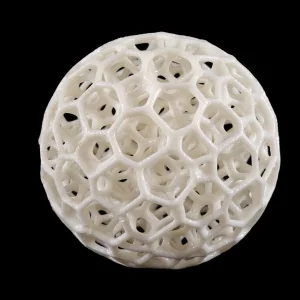
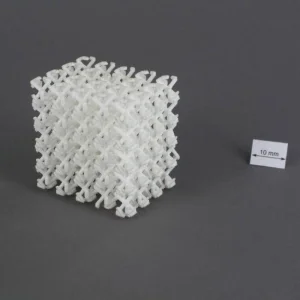
Aerospace turbine components require complex internal geometries, such as cooling flow channels, that are impossible to machine using traditional CNC tools. Through SLM (Selective Laser Melting), we produce functional components in superalloys like Inconel 718. This material maintains high tensile and creep-rupture strength at elevated temperatures, proving critical for propulsion and energy generation systems.
On assembly lines, specialized fixtures and end-of-arm tooling are needed to handle sensitive components. Using custom CNC machining and carbon-black compounds, we design and produce ESD-safe fixtures. These parts protect sensitive electronics from electrostatic discharge while providing the mechanical strength required for continuous manufacturing operations.
Past, Present, and Future – Building a Stronger Community Through Innovation
Established in 2010, Shenzhen Diem Printer Equipment Co., Ltd. was founded with a clear vision: to design and manufacture advanced digital printing systems and industrial solutions that drive value for businesses worldwide. Over the years, we have transitioned from a specialized design team into a global provider of digital printing and rapid prototyping systems.
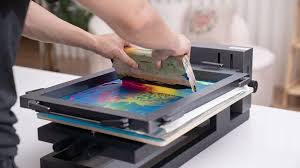
Our commitment to R&D is reflected in our advanced product portfolio, which features high-precision SLS printers, large-format SLA printers, and digital screen-making machinery. These tools optimize workflow efficiency, reduce material waste, and support sustainable manufacturing practices. We serve a wide range of industries, including advertising, packaging, precision electronics, and industrial manufacturing.
At Shenzhen Diem, our company philosophy centers on collaboration and innovation. Under our core brand promise, "Creating Value Together", we focus on continuous quality improvement and customer support. By working closely with our clients, we help them solve complex manufacturing challenges, streamline production, and bring high-quality products to market.
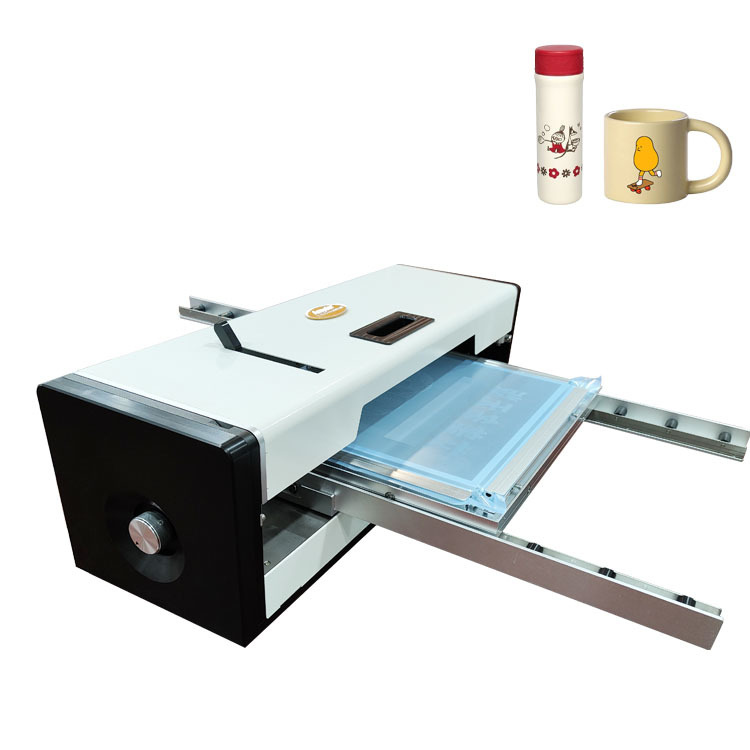
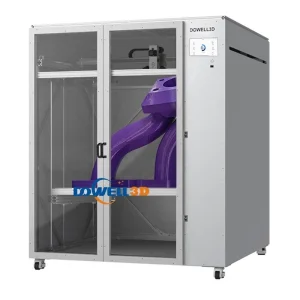
Explore our equipment lineup and custom manufacturing capabilities, engineered to meet precise industrial specifications
Direct, engineering-focused answers to common questions regarding our OEM/ODM prototyping processes, material capabilities, and export services
 Diem printer