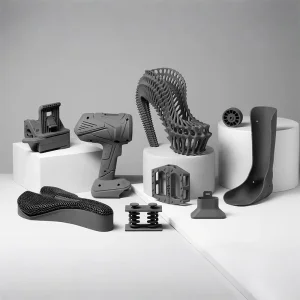
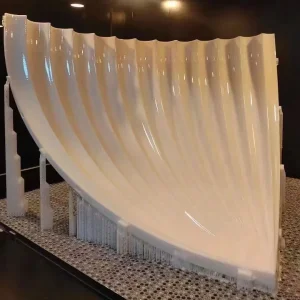
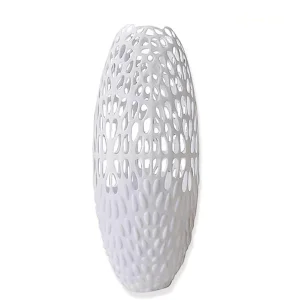
In the contemporary landscape of rapid prototyping and industrial production, Electroplated 3D Printing has emerged as a disruptive force. By bridging the gap between lightweight polymer structures and the durability of metallic finishes, manufacturers can now achieve the "best of both worlds." This hybrid approach involves the deposition of a metallic layer—typically chrome, nickel, gold, or copper—onto a 3D printed substrate (SLA, SLS, or FDM).
The global demand for electroplated 3D prints is driven by the need for Electromagnetic Interference (EMI) shielding in aerospace, aesthetic excellence in luxury consumer goods, and high-performance wear resistance in automotive tooling. As we move into 2025, the synergy between additive manufacturing and chemical plating is becoming a standard for engineers seeking functional metallic properties without the lead time of traditional casting.
When sourcing electroplated 3D printing services, Fortune 500 companies and specialized SMEs focus on several critical KPIs. Reliability is no longer just about the print quality; it is about the adhesion strength of the metal layer and the environmental compliance of the plating process.
Suppliers must support diverse resins (SLA) and polyamides (SLS) that can withstand the chemical pretreatment required for plating. This includes high-temp resins and carbon-filled nylons.
Achievement of "Class A" finishes. The 3D print must undergo rigorous sanding, vapor smoothing, or bead blasting before the copper-strike layer is applied.
The transition from a single prototype to low-volume batch production (100–1000 units) requires automated plating lines and high-capacity 3D printing farms.
The journey of an electroplated part involves a sophisticated multi-stage process. Unlike traditional metal 3D printing (DMLS), which can be prohibitively expensive, electroplating a plastic print offers a cost-effective solution for parts requiring conductivity or metallic aesthetics.
The application of electroplated 3D printing has transitioned from "look-alike" models to "work-alike" components. At Shenzhen Diem Printer Equipment Co., Ltd., we see this transformation daily across various sectors:
Past, Present, and Future – Building a Stronger Community Through Innovation
In 2010, Shenzhen Diem Printer Equipment Co., Ltd. was established with a vision: not just to manufacture digital printing equipment, but to harness technology to create meaningful value for communities and industries alike. Our mission from the beginning has been to introduce cutting-edge digital printing innovations to the market, while promoting sustainable growth in the technology sector.
Over the years, we have evolved from a small startup into a leading company with a diverse business portfolio. Our team brings together a wide range of skills, innovative thinking, and a shared passion for excellence. By leveraging the unique perspectives and expertise of each team member, we continually push the boundaries of what digital printing technology can achieve.
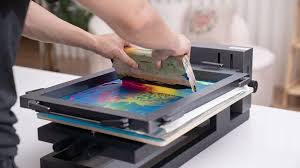
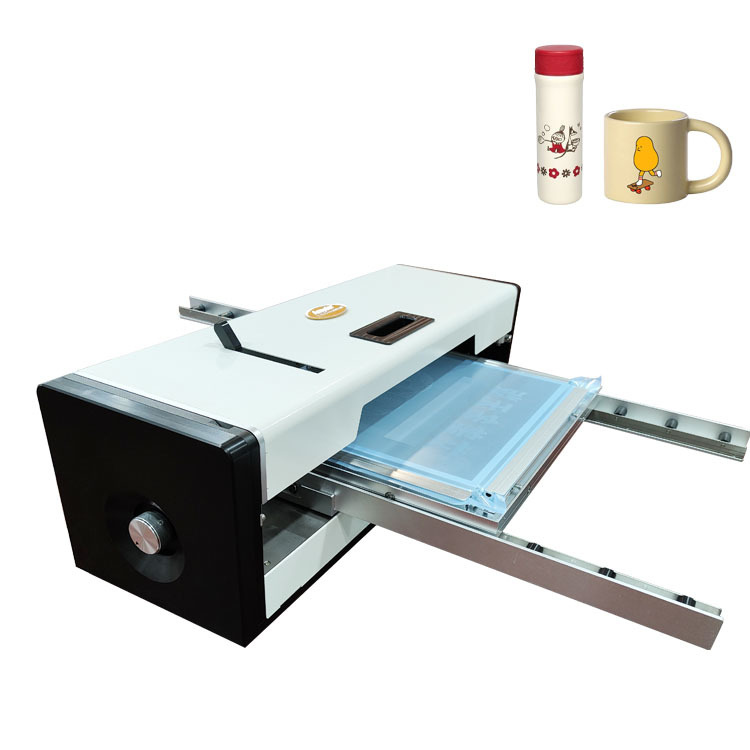
At Shenzhen Diem, we are committed to exploring and advancing the frontiers of digital printing. Our product lineup includes a wide array of digital printers, notably our digital silk screen plate making machines, which are designed to optimize efficiency, simplify workflows, and integrate environmentally friendly practices. Our equipment serves industries such as advertising, printing, and packaging, while also supporting sectors like handicrafts, electronics, and even the power system.
We believe that extraordinary achievements happen when people unite around a common purpose. Our brand promise, "Creating Value Together", reflects our commitment to our customers, our communities, and the world.
For global manufacturers, the supply chain is fraught with regulatory hurdles. Electroplating involves chemical processes that must adhere to RoHS (Restriction of Hazardous Substances) and REACH standards. Shenzhen Diem ensures that all electroplated 3D components meet international environmental safety protocols, facilitating seamless import/export for our European and North American partners.
Full documentation for all resins and plating alloys used in production.
ISO 9001 certified manufacturing processes with digital inspection reports.
Established partnerships with DHL, FedEx, and sea freight leaders for rapid global delivery.

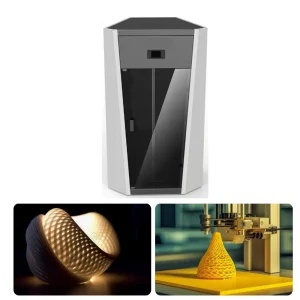
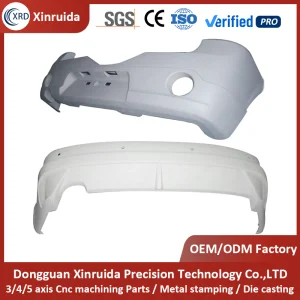
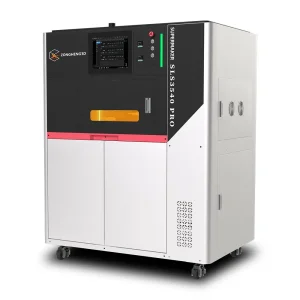
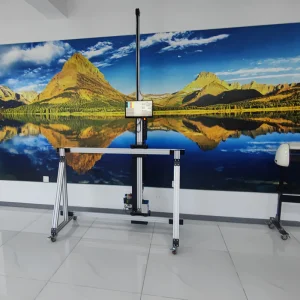
 Diem printer