High-throughput SLS, SLA, and Metal SLM systems paired with precision CNC post-processing interfaces for end-to-end industrial production.
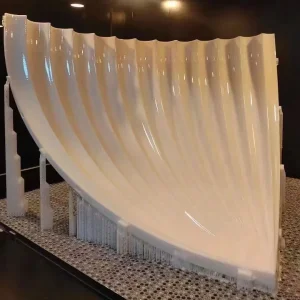
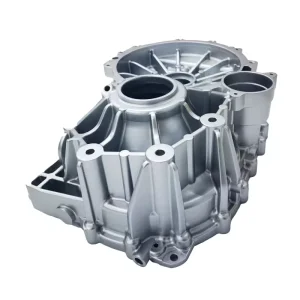
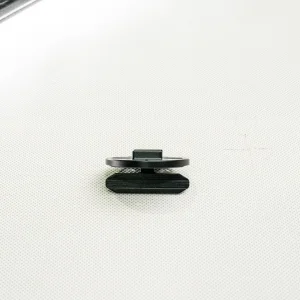
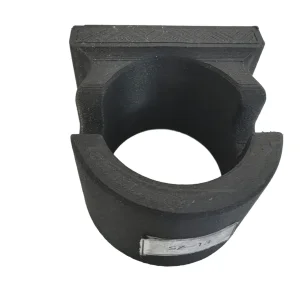
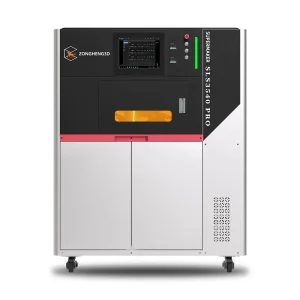
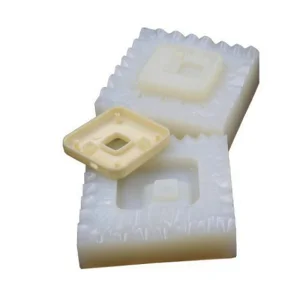
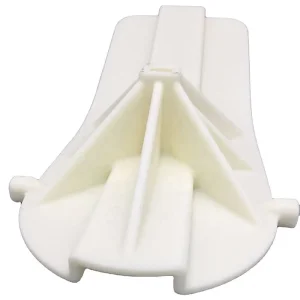

Historically, additive manufacturing was constrained to isolated rapid prototyping labs where manual intervention dominated. Operators spent endless hours handling powder extraction, removing support structures, managing resin baths, and monitoring build progress manually. However, as global supply chains evolve toward on-demand digital inventory, the industrial manufacturing space has entered a new paradigm: End-to-End Workflow Automation.
Modern workflow automation in 3D printing involves the integration of cloud-based CAD prep engines, automated powder delivery loops, robotic build plate exchange units, and mechanized chemical post-processing stations. By replacing discontinuous, manual operations with software-driven physical robotics, facilities can transition from low-volume fabrication to round-the-clock dark-factory operations.
"Integrating automated workflows reduces operational dependency by 65%, transforming industrial 3D printing into a scalable, repeatable manufacturing infrastructure capable of competing directly with traditional injection molding."
On a macro scale, the global adoption of automation is catalyzed by three core forces:
Leading enterprises in Europe, North America, and East Asia are aggressively replacing independent printers with networked smart-clusters. This shift necessitates deep expertise from technology providers who understand how physical hardware interfaces with software control protocols.
How local industrial ecosystems allow Chinese suppliers to deliver unrivaled agility and hardware reliability in additive manufacturing.
China's dominance in industrial 3D printing workflow automation stems from the unique structural synergy of its domestic supply chain. Unlike regional hubs in the West where component sourcing is geographically fragmented, the Shenzhen-Dongguan-Guangzhou industrial cluster integrates precision machining, optics engineering, motion control systems, and specialized materials manufacturing within a 50-kilometer radius.
This geographic density allows players like Shenzhen Diem Printer Equipment Co., Ltd. to innovate and refine hardware architectures at a velocity that is unmatched internationally. The convergence of additive manufacturing with high-precision subtractive tools—such as 5-axis CNC machining, vacuum casting, and automated injection molding—enables Chinese factories to deliver fully integrated, hybrid production pipelines.
Core elements driving China's competitive export advantage include:
Achieve unprecedented efficiency and precision across the entire manufacturing lifecycle with our core technology stack.
Integrate software solutions that coordinate part nesting, orientation optimization, and automated support generation. Reduce pre-print prep times from hours to minutes, ensuring optimal thermochemical stability during SLA/SLS runs.
Automate solvent baths, powder recovery stations, and UV curing arrays. Our specialized systems for SLA resin stripping and SLS powder extraction achieve a clean surface finish without damaging delicate microstructures.
Utilize integrated laser scanning, machine vision, and real-time sensor loops. Defect detection software identifies micro-fractures, delamination, and volumetric deviations, archiving comprehensive records for industrial validation.
Past, Present, and Future – Building a Stronger Community Through Innovation
In 2010, Shenzhen Diem Printer Equipment Co., Ltd. was established with a vision: not just to manufacture digital printing equipment, but to harness technology to create meaningful value for communities and industries alike. Our mission from the beginning has been to introduce cutting-edge digital printing innovations to the market, while promoting sustainable growth in the technology sector.
Over the years, we have evolved from a small startup into a leading company with a diverse business portfolio. Our team brings together a wide range of skills, innovative thinking, and a shared passion for excellence. By leveraging the unique perspectives and expertise of each team member, we continually push the boundaries of what digital printing technology can achieve.
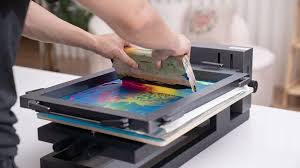
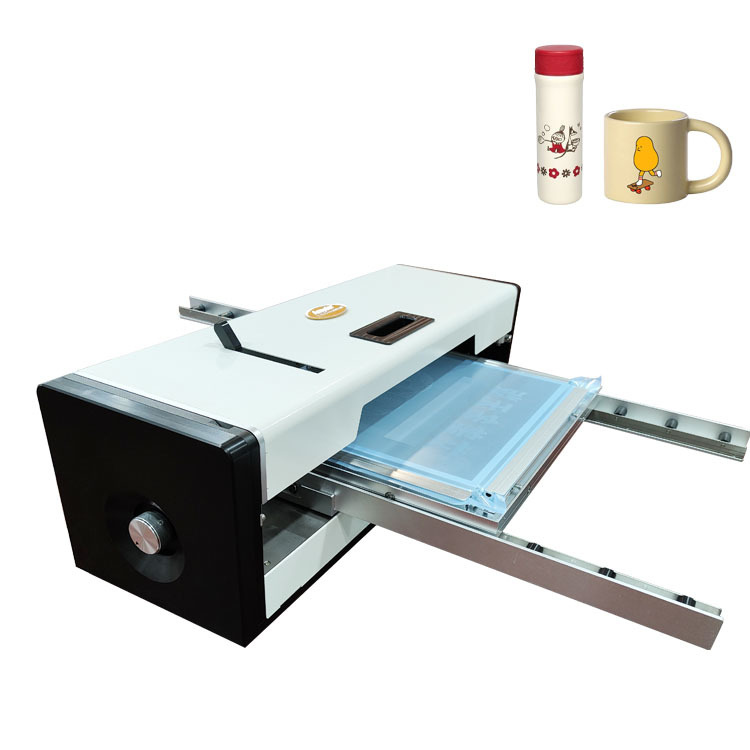
At Shenzhen Diem, we are committed to exploring and advancing the frontiers of digital printing. Our product lineup includes a wide array of digital printers, notably our digital silk screen plate making machines, which are designed to optimize efficiency, simplify workflows, and integrate environmentally friendly practices. Our equipment serves industries such as advertising, printing, and packaging, while also supporting sectors like handicrafts, electronics, and even the power system, demonstrating the versatility and broad impact of our technology.
For our key clients, we provide high-performance silk screen printing solutions capable of handling complex and large-scale printing tasks, empowering businesses to meet diverse market demands with precision and reliability.
We believe that extraordinary achievements happen when people unite around a common purpose. Our mission extends beyond technology: we aim to foster sustainable development where people, businesses, and the environment thrive together.
By harnessing collective wisdom and innovative thinking, Shenzhen Diem Printer Equipment Co., Ltd. remains steadfast in our brand promise: Creating Value Together. Through continuous improvement, innovation, and community engagement, we aspire to lead the industry while making a positive impact on society.
Explore the technological breakthroughs redefining factory floor capabilities, material recycling, and digital supply chain systems.
Modern additive manufacturing units are no longer black-box systems. Factories require deep software interoperability, linking 3D printer hardware clusters with centralized Manufacturing Execution Systems (MES) and Enterprise Resource Planning (ERP) databases. This enables real-time status reporting, automated job dispatching, and dynamic maintenance predictions based on sensor telemetry.
Sustainability and cost-control mandate automated powder reclamation in SLM and SLS setups. Automated cleaning units sieve, filter, and balance virgin-to-reclaimed powder ratios under inert gas protection. This prevents oxygenation and material contamination, preserving metallurgical characteristics across multiple rebuild cycles.
To produce end-use parts with precise tolerances (e.g., medical tooling, custom gearboxes), manufacturers are routing components directly from automated SLA/SLS printers onto multi-axis CNC machining centers. Robotic arms transfer build plates between units, aligning structural models with coordinate positioning systems to mill critical features down to single-digit micron tolerances.
In SLA architectures, solvent extraction processes are shifting from manual alcohol washes to closed, automated systems that distill and recycle cleaning agents. This minimizes volatile organic compound (VOC) exposure and ensures compliance with global environmental regulations.
Key decision vectors for global sourcing directors seeking maximum production uptime, regulatory compliance, and post-purchase assurance.
International procurement managers must evaluate several technical dimensions before committing to automated hardware solutions. The decision extends beyond basic printer purchase price (CAPEX); it requires analyzing long-term operational costs (OPEX), system reliability, and localized engineering support.
Technical and logistical insights regarding 3D printing workflow automation, system capabilities, and global export protocols.
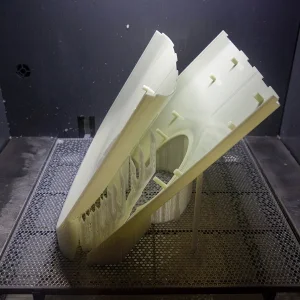
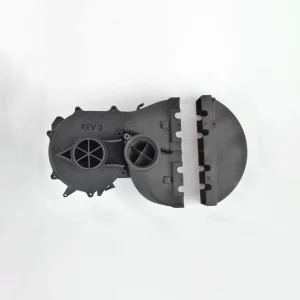
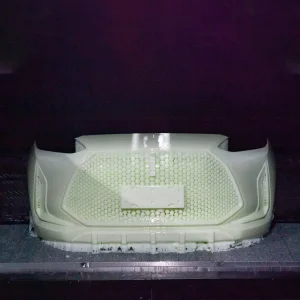
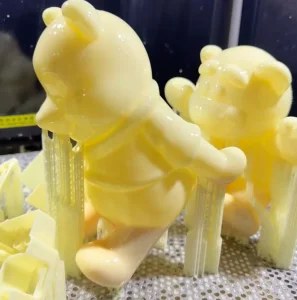
From weatherproof automotive components to titanium medical implants, view our wide range of custom additive products.
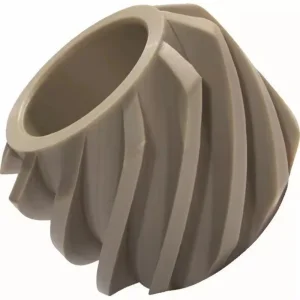
 Diem printer