In today's world, 3D printing offers unprecedented opportunities for innovation and creativity. Designers and engineers aspire to leverage this technology for functional and aesthetic components. However, success in 3D printing is not guaranteed. It requires careful consideration of design elements. Understanding how to optimize a design for 3D printing is crucial for achieving desired results.
Many designers struggle with common pitfalls. They may overlook specific requirements, leading to failed prints and wasted resources. Optimized designs consider factors like material choice, print orientation, and layer height. These choices directly impact the final product's quality and durability. Balancing complexity with manufacturability can be challenging. Reflecting on these aspects is essential to avoid common mistakes.
The journey of mastering 3D printing involves continuous learning and adaptation. Seeking feedback and iterating designs based on real-world results can lead to significant improvements. Ultimately, by embracing the principles of optimization, designers can unlock the full potential of 3D printing, creating innovative solutions that stand the test of time.
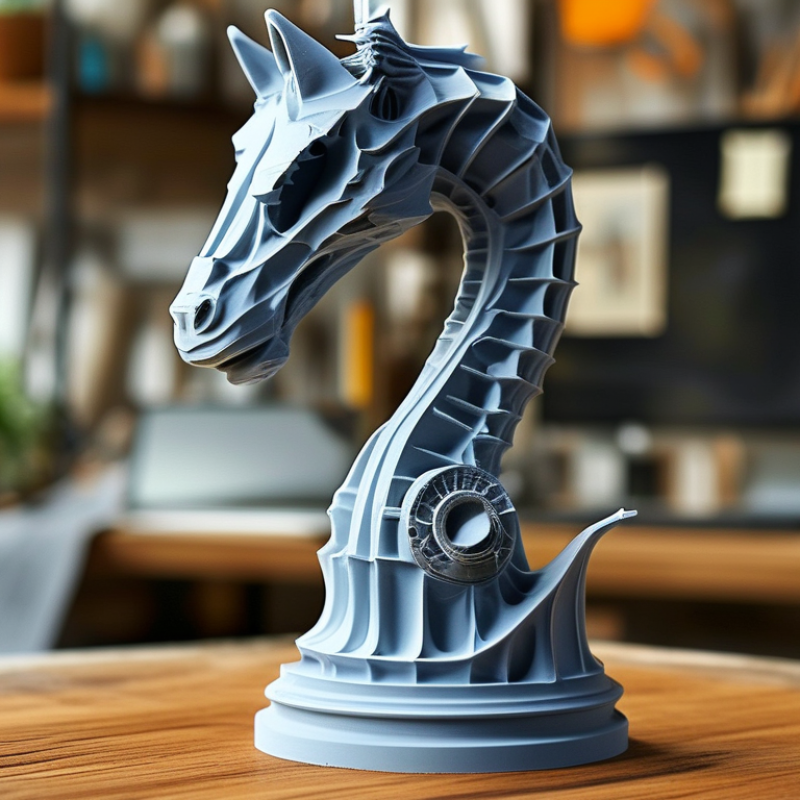
Understanding the Importance of 3D Printing Design Optimization
3D printing has revolutionized the design process, offering unique opportunities for creativity and functionality. However, optimization is crucial for a successful outcome. Many designers overlook key factors, leading to failures or inefficiencies. Understanding the nuances of 3D printing technology can significantly impact the final product's quality and usability.
Designing with 3D printing in mind means more than just creating a model. It involves considering the printing method, material properties, and machine capabilities. For instance, complex geometries may look appealing but can lead to printing errors or increased production time. Not every detail translates well from a digital design to a physical object. A balance between aesthetics and practicality is essential.
Additionally, it’s vital to iterate on designs based on trial and error. Testing prototypes allows designers to refine their ideas. Many ignore this step, assuming their first model will succeed. Reflecting on the challenges faced during printing can inform future projects, enhancing both skill and understanding. This approach fosters continuous improvement and innovation in design, ultimately leading to a higher success rate in 3D printing ventures.
Key Design Principles for Successful 3D Printing Projects
When embarking on a 3D printing project, adhering to key design principles is essential for success. Start with the basics: understand the material you're using. Different materials behave differently. For example, PLA is easy to print but less durable than ABS. Always consider the strength and flexibility needed for your project. Design with the end-use in mind.
Consider wall thickness; it is vital. Too thin? The part could break. Too thick? It may use unnecessary material and time. Incorporate features like ribs or fillets to enhance strength. These small changes can make a big impact.
Think about the printing orientation. This can affect the final object's strength and appearance. Experiment with different angles in the design software to find the best fit. Not every design will print perfectly the first time. Be ready to experiment and refine your design. Learn from failures and adjust accordingly. Embrace this iterative process to achieve optimal results.
Why You Should Optimize Your Design for 3D Printing Success? - Key Design Principles for Successful 3D Printing Projects
| Design Principle |
Description |
Impact on Printing |
Recommended Action |
| Minimize Overhangs |
Reduce the amount of unsupported material during printing. |
Decreases the chances of print failure. |
Design with slopes or supports. |
| Optimize Wall Thickness |
Find a balance between strength and material usage. |
Enhances durability without excessive weight. |
Use thickness of 1-3mm based on function. |
| Consider Print Orientation |
Choose an orientation that reduces supports and maximizes strength. |
Affects surface finish and overall strength. |
Test different orientations before finalizing. |
| Incorporate Functional Features |
Design for print-specific features like interlocking parts. |
Improves functionality and reduces assembly time. |
Use joints or snap-fit features. |
| Avoid Complex Geometry |
Keep designs simple to avoid printing complications. |
Ensures reliable and accurate prints. |
Limit the use of intricate designs. |
Common Pitfalls in 3D Printing Design and How to Avoid Them
3D printing has revolutionized design, but common pitfalls can undermine your success. Many designers overlook the importance of wall thickness. If walls are too thin, prints may break easily. Conversely, overly thick walls may waste material and increase print time. Finding the right balance is crucial for durability and efficiency.
Another frequent mistake is ignoring support structures. Complex geometries often require them for successful printing. Failing to account for these can lead to unsatisfactory results. Support structures can leave marks on the final product, so planning their placement is essential. Consider using a slicing software to visualize how supports will interact with the model.
Lastly, understanding the material properties is vital. Different materials behave uniquely during the printing process. For instance, some may warp while cooling, affecting precision. Experimenting with sample prints can provide valuable insights. Learn from each print, and adjust your designs accordingly. Embracing these reflective practices can significantly enhance your design's success in 3D printing.
Materials and Techniques That Enhance 3D Printing Outcomes
When optimizing designs for 3D printing, choosing the right materials is crucial. Different materials offer unique properties that affect strength, flexibility, and the final appearance of the printed object. For example, PLA is easy to work with and environmentally friendly, while ABS provides better durability and heat resistance. Selecting the appropriate material ensures that the final product meets its intended use.
Techniques also play a significant role in enhancing 3D printing outcomes. Utilizing proper orientation during printing can minimize defects. A well-planned build can reduce the necessity for support structures, which often lead to imperfections. Layer height adjustments can improve surface quality, but they may increase print time. Sometimes, it’s beneficial to sacrifice some speed for better detail.
Reflecting on design choices is essential. Some designs may look good on screen but fail in practice. Trial and error is part of the process. Not all prints will turn out perfect the first time around. Learning from failures is vital for growth in 3D printing. Each project offers lessons that refine future designs and techniques.
Real-World Examples of Effective 3D Printing Design Solutions
When it comes to 3D printing, design is a crucial factor for success. Innovative designs can lead to effective solutions in various industries. Consider the aerospace sector. Engineers must design parts that are lightweight yet incredibly strong. They often create intricate geometries that traditional manufacturing cannot achieve. By optimizing these designs, they save material while improving performance.
In the medical field, 3D printing has transformed prosthetics. Customized devices provide better fit and comfort for patients. One example features a 3D-printed limb that matches a patient’s anatomy perfectly. However, designers must constantly evaluate their techniques. Sometimes, a design might not perform as expected. This requires feedback and adjustments, emphasizing the iterative nature of design.
Additionally, furniture design has embraced 3D printing. Designers are experimenting with unique shapes that cater to specific user needs. However, not all designs are practical for production. Some items face durability issues or high production costs. Learning from these shortcomings is essential for future projects. Through real-world examples, the importance of design optimization for 3D printing becomes clear.
3D Printing Design Optimization: Success Factors
Conclusion
In today's rapidly evolving manufacturing landscape, understanding how to optimize a design for 3D printing is crucial for achieving successful outcomes. Effective design optimization involves deep comprehension of 3D printing processes, key design principles, and the materials and techniques available. Avoiding common pitfalls, such as inadequate support structures or inappropriate material choices, can significantly enhance the quality and efficiency of 3D printed projects.
Real-world examples have demonstrated that adhering to best practices in design not only streamlines the production process but also results in innovative and effective solutions. By focusing on the aforementioned principles and being mindful of potential challenges, designers can ensure that their 3D printing projects are both successful and sustainable, maximizing the technology's capabilities and potential.

 Diem printer