Digital foil stamping has gained popularity in recent years for its ability to create stunning visual effects on various materials. However, achieving these effects requires careful attention to temperature settings. Many operators frequently ask, "What temperature is best for digital foil stamping?" Understanding this crucial aspect is essential for optimal results.
The ideal temperature for digital foil stamping can vary based on the type of foil and substrate used. Generally, temperatures between 250°F to 350°F often yield the best outcomes. However, conditions may not be perfect in every scenario. Variations in machine calibration and material characteristics can affect performance. Operators should be prepared to experiment and make adjustments.
Effective foil stamping demands not only the right temperature but also quality materials and proper techniques. Problems may arise with incorrect temperature settings, leading to poor adhesion or unwanted texture. It's important to keep precise records of experiments to guide future projects. Continuous learning in this area is key to mastering the craft.
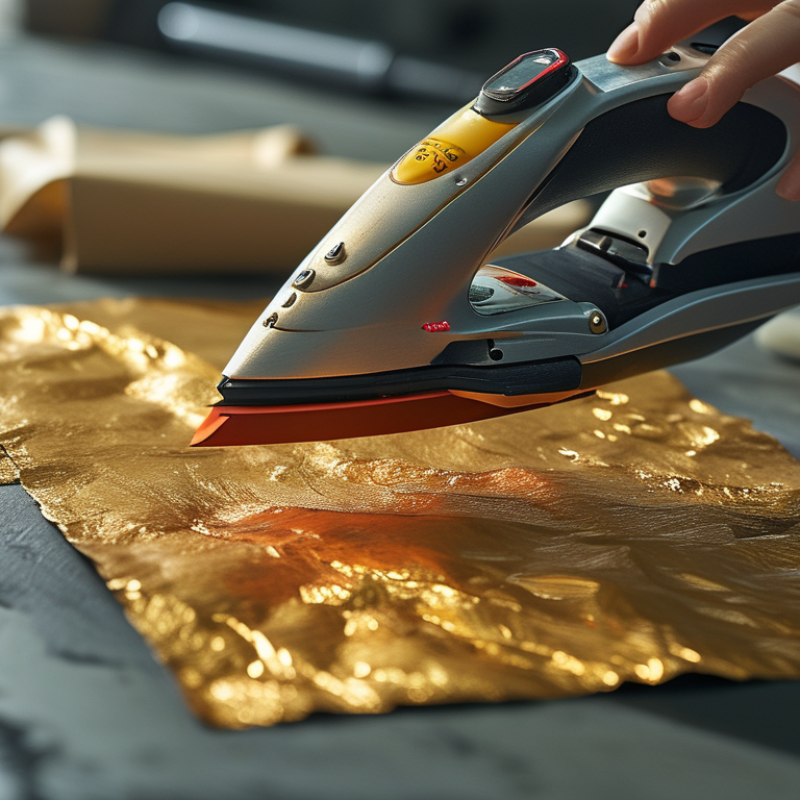
Digital foil stamping is an innovative printing method that merges digital technology with traditional foil stamping. This process uses heat and pressure to transfer foil onto a substrate, creating eye-catching designs. The ideal temperature for this technique is typically between 120°C to 160°C, but achieving consistent results can be tricky. Variations in substrate type and thickness can greatly affect the temperature and pressure parameters necessary for optimal adhesion.
Recent industry reports indicate that around 65% of printing professionals recognize the importance of setting proper temperature for long-lasting results. An improper setting can lead to issues such as insufficient foil adherence or damage to the substrate. Observations show that maintaining consistent heat not only improves the final product but also enhances workflow efficiency. However, many operators still struggle with calibrating their equipment properly to achieve these ideal conditions.
Operators must also consider that foil stamping is not just about temperature. The right pressure and dwell time significantly contribute to the outcome. A study highlighted that improper pressure applications could lead to incomplete transfers, affecting overall quality. Therefore, some professionals recommend conducting test runs before large projects. This helps determine the precise settings needed for specific materials, aiding in achieving the best final product.
| Temperature Range (°F) | Temperature Range (°C) | Optimal Foil Type | Recommended Pressure (psi) | Notes |
|---|---|---|---|---|
| 250 - 300 | 121 - 149 | Hot Stamping Foil | 60 - 80 | Best for paper materials |
| 300 - 350 | 149 - 177 | Metalized Foil | 80 - 100 | Ideal for glossy finishes |
| 350 - 400 | 177 - 204 | Pigment Foil | 100 - 120 | Suitable for dark substrates |
Temperature plays a critical role in the foil stamping process. The right heat ensures that the foil adheres properly to the substrate. If the temperature is too low, the foil may not stick, leading to poor quality prints. Conversely, excessive heat can damage the substrate, causing warping or other defects. Achieving the ideal temperature can be a balancing act, requiring regular testing and adjustment.
Maintaining consistent temperatures is vital. Variations can affect the foil's finish and longevity. It's beneficial to use a thermometer to monitor the stamping area. Regularly check the equipment to prevent overheating. Additionally, consider the type of substrate. Different materials may require specific temperature settings for optimal results.
Experimentation often leads to the best outcomes. It’s not uncommon for operators to refine their temperature settings over time. Documentation of successful runs can provide valuable insights. Temperature adjustments may sometimes seem tedious, but they are key for quality assurance. Adjusting the process takes practice and an understanding of how various factors come into play.
Digital foil stamping is a popular technique in the printing industry, but achieving the right temperature is crucial. Different materials require specific temperature ranges to ensure quality results. For example, when stamping on paper stock, the ideal temperature typically ranges between 110°C to 130°C. This range helps the foil adhere properly without damaging the substrate. Certain reports indicate that lower temperatures can lead to incomplete adhesion, while higher temperatures may cause burning or discoloration.
When working with synthetic materials like plastics, the ideal temperature tends to be higher, usually around 150°C to 170°C. This increase helps the foil bond effectively with the smoother, less absorbent surfaces of these materials. However, practitioners must exercise caution. Excessive heat can warp or melt certain plastic types, which may compromise the integrity of the final product. Notably, testing is essential before large runs to prevent costly waste.
Even with clear guidelines, variations in humidity and material quality can impact results. Operators may need to adjust their approach based on real-time observations during production. This highlights the importance of experience in managing digital foil stamping projects. Continuously monitoring temperature and making necessary adjustments can ensure the best outcomes, reflecting a nuanced mastery of the craft.
This chart illustrates the ideal temperature ranges for digital foil stamping across various materials. Maintaining the appropriate temperature is crucial for achieving optimal results in the foil stamping process.
Temperature plays a crucial role in digital foil stamping. The ideal temperature range for foil adhesion typically falls between 90°C and 120°C, according to industry reports. At these temperatures, the foil adheres effectively to the substrate, ensuring a sharp finish and vibrant colors. If the temperature is too low, poor adhesion can occur, leading to lifting or flaking of the foil. Conversely, excessive heat can burn the foil or damage the underlying material.
Monitoring temperature during the stamping process is essential. Variations can compromise the quality of the final product. A study by the International Journal of Printing Technology highlights that maintaining consistent temperatures enhances adhesion quality by up to 30%. This emphasizes the need for precise temperature control equipment in production.
When calibrating equipment, consider these factors: initial temperature readings can vary based on environmental conditions. Regular maintenance of thermal sensors helps ensure accurate readings. Always run a test print at varied temperatures before deciding on the final settings. This practice significantly reduces waste and optimizes the production workflow. Adjusting to perfect conditions is a learning curve. Embrace the journey for the best results.
Maintaining consistent temperatures is crucial for successful digital foil stamping. The ideal temperature typically ranges between 250°F and 350°F. Slight deviations can lead to poor adhesion and inconsistent finishes. According to the Foil Packaging Association, even a 10°F fluctuation can impact the foil’s effectiveness, causing issues like curling or incomplete impressions.
Equipment calibration is vital for maintaining these temperatures. Regularly checking and adjusting equipment ensures that you stay within the optimal range. Operators should be trained to recognize the signs of temperature-related issues. An industry study noted that 70% of failed foil applications were attributed to improper temperature settings.
Environmental factors also play a role. Humidity and airflow can affect how heat is distributed across the material. Keeping the stamping area controlled and minimizing drafts can lead to better results. This can be particularly challenging in variable climate conditions. Operators must remain vigilant and flexible, adapting practices as necessary to respond to changing conditions.
: The ideal temperature for paper stock is usually between 110°C to 130°C.
Temperature affects foil adhesion and the overall quality of the final product.
Low temperatures can cause poor adhesion, leading to issues like lifting or flaking.
For synthetic materials like plastics, temperatures should be around 150°C to 170°C.
Yes, too much heat can warp or melt certain plastics, harming the final product.
Variations in humidity can impact adhesion, requiring adjustments during production.
Experience enables one to manage real-time observations and adjustments for better outcomes.
Always run test prints at varied temperatures to prevent costly waste.
Consistent temperature monitoring can enhance adhesion quality by up to 30%.
Adjusting to optimal conditions takes time and practice for the best results.
Digital foil stamping is a sophisticated printing technique that enhances designs with metallic and vibrant finishes. Understanding the role of temperature in this process is crucial, as it directly affects the adhesion and quality of the foil. The ideal temperature ranges can vary based on the materials used, but maintaining consistent temperatures is essential for achieving optimal results.
When considering "what temperature is best for digital foil stamping," it is generally found that a range of 250°F to 350°F is effective for most substrates. However, different materials might require slight adjustments. Therefore, knowing the ideal temperatures and best practices for managing them is key to producing high-quality digital foil stamped products and ensuring lasting foil adhesion.

Diem printer