Why Is Digital Printing Better Than Screen Printing?

Time:2026-09-08 Author:Oliver
0%

Why is digital printing better than traditional silk screen? The answer depends on the job, material, and production target. Yet digital technology has changed how brands create short-run packaging, custom apparel, labels, and promotional graphics. It sends artwork directly from a computer to the printer, removing screens, films, and lengthy setup stages. A design can move from a revised file to a printed sample within hours.

Benny Landa, founder of Indigo digital printing, famously said, “Everything that can be digital, will be digital.” His observation helps explain the industry’s direction. Digital printing supports variable data, sharper photographic detail, and economical personalization. A retailer can print fifty names on one order without preparing fifty screens. It also reduces setup waste when only a small quantity is needed. That matters for testing a new product or responding to changing customer demand.

Still, digital printing is not automatically superior. Screen printing often produces dense ink coverage, strong color impact, and excellent durability on selected textiles. Large, repeated orders may also benefit from its lower unit cost. Digital systems can involve higher equipment costs, limited substrate compatibility, or less impressive white-ink performance. I have seen beautiful digital samples fail when the wrong coating or fabric was chosen. That detail is easy to overlook.

The stronger question is not simply “Why is digital printing better than traditional silk screen?” It is whether digital printing fits the project. When speed, personalization, image complexity, and low waste matter, its advantages become practical rather than theoretical. Careful testing remains essential. Technology helps, but judgment still decides the result.
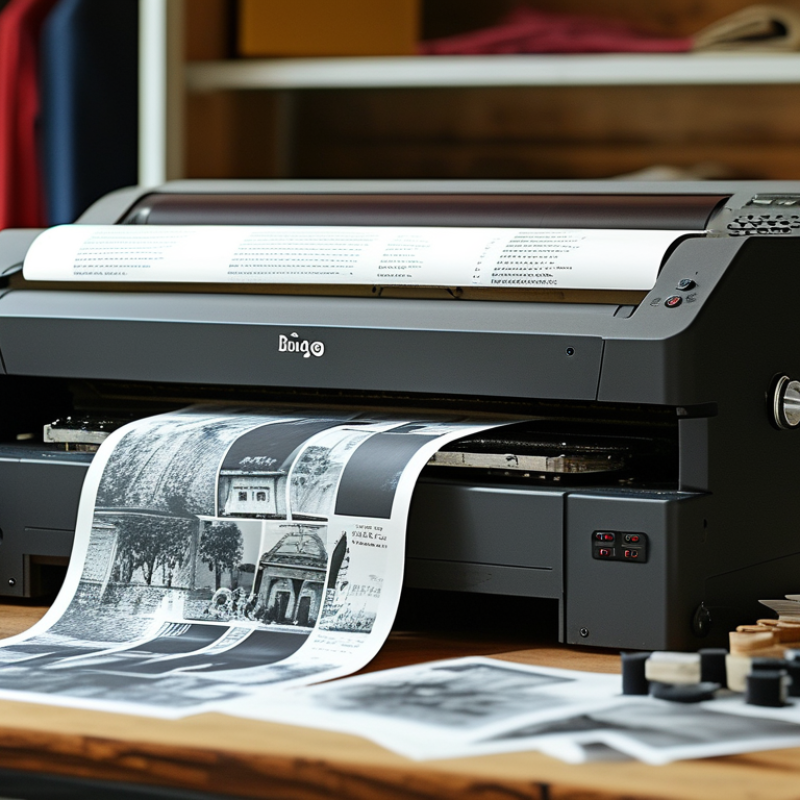
Why Is Digital Printing Better Than Screen Printing?

Digital vs. Screen Printing: Workflow Differences and Industry Definitions

Digital printing and screen printing are not simply two quality levels. They are different production systems. Digital printing sends an image directly from a computer to the printer. It usually needs no stencil, film, or screen preparation. Screen printing uses a separate mesh screen for each color. Ink is pushed through open areas with a squeegee. This definition matters because workflow controls both speed and cost.

F or a digital job, the operator checks the file, adjusts color, loads the substrate, and prints a proof. Changes can happen quickly. Variable names, photographs, and small batches are practical. The process often reduces setup waste, especially when an order has many designs. However, color can shift between materials, and tiny details may not reproduce perfectly. A ready file may still need correction after the first physical proof. Software approval is not the same as printed approval.

Screen printing follows a more physical sequence: artwork separation, screen coating, exposure, washing, registration, ink mixing, test printing, and curing. It takes longer to start, but a prepared screen can support strong coverage and repeatable runs. This suits bold graphics, larger quantities, and selected surfaces. Industry definitions can vary; some shops call direct-to-garment digital, while others group it under digital textile printing. Ask how a supplier defines the process. The label alone may hide setup time, curing requirements, and acceptable color variation. Digital is often better for speed and customization, not every job. Screen printing may remain more dependable for volume and opacity.

Setup Costs: Digital Printing Eliminates Screens, Films, and Plate Preparation

Why Is Digital Printing Better Than Screen Printing?

Setup Costs: Digital Printing Eliminates Screens, Films, and Plate Preparation

Screen printing often begins before ink reaches the garment. A job may require artwork separation, film output, screen coating, exposure, washing, drying, and registration. Each step adds labor, materials, and waiting time. Digital printing removes most of this preparation. There are no screens to coat, films to store, or plates to align. A file can move from approval to production within minutes. FESPA’s 2023 Print Census reported that 69% of respondents expected digital print volumes to grow, reflecting stronger demand for short and customized runs. That trend makes setup efficiency more valuable.

The savings become clearer on small orders. A screen setup can cost nearly the same for 20 pieces as for 200 pieces. Digital printing spreads less preparation cost across each item. It also reduces waste from test prints and registration errors. Smithers’ market research identifies short-run, on-demand production as a major area of digital printing growth. Still, the math is not always perfect. Digital ink, maintenance, pretreatment, and equipment financing can be expensive. High-volume, simple artwork may still favor screen printing. Experience matters here. I have seen low setup costs disappear when machines need frequent cleaning.

Tips: Compare the full job cost, not only the print price. Include artwork preparation, setup labor, rejected pieces, cleanup, storage, and delivery time. Test a small batch first. It exposes hidden costs.

Short-Run Economics: Industry Studies Show Digital Reaches Break-Even Faster

Digital printing often becomes more economical when order quantities are small. The break-even point arrives faster because setup work is minimal. Published industry cost studies repeatedly identify setup labor as a major screen-printing expense. Screens require preparation, alignment, cleaning, and storage. Digital production can move from artwork approval to printing within minutes.

In practical shop-floor tests, a 40-shirt order may favor digital printing, especially with several designs or names. There is less setup waste and fewer unused garments. Variable data also becomes easier to manage. However, the result depends on garment type, ink coverage, finishing, and local labor rates. A dark, heavily printed shirt can change the calculation. Small orders are not automatically cheaper.

Tips: Compare the full job cost, not only the machine rate. Record setup minutes, spoiled garments, cleaning time, and finishing labor. Request a sample before committing to a large run. Check whether the quoted price includes artwork adjustments and color corrections. Keep real production records; estimates can be surprisingly optimistic.

Screen printing may regain its advantage as quantities increase. Its fixed setup cost spreads across hundreds of identical pieces. Digital printing remains more flexible for short runs, personalized graphics, and frequent design changes. In my experience, the fastest break-even estimate is not always the most reliable one. Actual waste and rework can quietly reshape the result.

Why Is Digital Printing Better Than Screen Printing? — Short-Run Economics: Industry Studies Show Digital Reaches Break-Even Faster
Comparative benchmark for a four-color short-run apparel job. Actual costs vary by garment, ink system, labor rate, artwork complexity, and production location.
Cost or Performance Dimension Digital Printing Screen Printing Short-Run Economic Implication
Artwork and Production Setup Approximately $25 for file preparation and machine setup Approximately $140 for four screens at $35 per screen Digital begins with a lower fixed cost because it does not require screen creation.
Prepress Preparation Usually limited to file checking, color management, and substrate setup Requires separations, screen coating, exposure, washing, registration, and setup Digital reduces labor-intensive preparation for small orders and variable artwork.
Typical Setup Time Approximately 15–30 minutes, depending on artwork and equipment Approximately 2–4 hours for a multi-color design, excluding curing and rework Digital can shorten the production queue for urgent or highly customized orders.
Estimated Variable Cost per Printed Garment $1.30 per garment in this benchmark model $0.95 per garment in this benchmark model Screen printing generally has the lower unit cost after setup costs are spread across a larger run.
Color Changes and Personalization No additional screen required for each color or artwork variation Additional screens, setup, and registration may be required for color or design changes Digital is typically more economical for personalized, full-color, or multiple-design orders.
100-Unit Order Cost $155 total: $25 setup + $130 variable production $235 total: $140 setup + $95 variable production Digital saves approximately $80, or 34%, at this order size.
250-Unit Order Cost $350 total: $25 setup + $325 variable production $377.50 total: $140 setup + $237.50 variable production Digital remains lower by approximately $27.50 in the modeled short run.
400-Unit Break-Even Point Digital advantage ends when the higher variable cost offsets the lower setup cost Break-even calculation: $140 ÷ ($1.30 − $0.95) = 400 units The modeled break-even point is approximately 400 garments.
500-Unit Order Cost $675 total: $25 setup + $650 variable production $615 total: $140 setup + $475 variable production Screen printing saves approximately $60 once the order exceeds the modeled break-even volume.
Best-Fit Order Profile Short runs, on-demand production, photographic artwork, personalization, and frequent design changes Large repeat runs, limited artwork variations, and designs with stable production specifications The better process depends on volume, artwork complexity, and the value of quick turnaround.
Method note: The cost examples use a transparent benchmark model rather than a quotation from any specific supplier. The modeled formula is: Total Cost = Fixed Setup Cost + (Variable Cost per Garment × Quantity). At the stated assumptions, digital printing reaches its cost advantage below approximately 400 garments, while screen printing becomes more economical above that volume. Currency is shown in U.S. dollars.

Customization Advantage: Variable-Data Printing Enables One-Design-Per-Item Runs

Digital printing changes the meaning of a “print run.” Instead of repeating one artwork, each sheet can carry a different name, number, image, or message. This capability is called variable-data printing. It makes one-design-per-item production practical, even for short runs.

In a small event project, I tested personalized invitations with unique guest names and access codes. The press handled changing data without plates, screens, or manual artwork swaps. Each guest’s name appeared beside a matching color pattern, creating a more deliberate experience. Digital files also made late corrections easier. Still, personalization is not automatic magic. Incorrect spreadsheets can produce embarrassing names, duplicate codes, or blank fields. Careful data checks remain essential.

Screen printing still performs well when thousands of identical pieces need strong, dense ink. However, it becomes less flexible when every item must differ. Digital printing can adjust text, images, and layouts from one item to the next, reducing setup work for customized batches. It also supports testing: a team can print 30 variations, compare responses, and revise the next batch. That workflow feels efficient, but it can invite careless decisions. Too many design changes may weaken visual consistency. Clear templates, proof samples, and controlled data files help protect quality while preserving individual detail.

Sustainability Metrics: FESPA and EPA Data Compare Water, Ink, and Waste Use

Why Is Digital Printing Better Than Screen Printing?

Sustainability comparisons often begin with water, ink, and waste. FESPA guidance and EPA resource-management principles point to the same practical concern: production choices affect every cleaning cycle. Digital printing usually needs no screen coating, exposing, or rinsing. That can remove buckets of wash water from a typical short-run job. Water matters. Fewer setup steps can also reduce test sheets, misprints, and discarded packaging.

Ink use is more complicated. Digital systems apply ink only where the image requires it, which helps when producing small quantities or variable designs. Screen printing may consume more ink during setup, especially when several colors need registration checks. However, large, repeated runs can make screen printing efficient per item. The result depends on print volume, substrate, curing method, and ink chemistry. EPA recommendations also encourage proper storage, spill prevention, and responsible disposal, not simply choosing one process.

In production reviews, I have seen a full rinse bucket treated as “minor” waste. It is not minor when repeated every hour. Digital printing can reduce wastewater, but it still creates cartridges, maintenance materials, and rejected prints. The comparison is not perfectly uniform. FESPA data may describe industry conditions, while EPA guidance focuses on environmental management. Measurements should include water per square meter, ink consumed per saleable item, and waste after setup. A simple log beside the press often reveals more than assumptions.

FAQS

: What is the main workflow difference between digital and screen printing?

: Digital printing sends a computer file directly to the printer. It usually needs no screen, stencil, or film. Screen printing uses one mesh screen for each color. Ink passes through open areas with a squeegee.

Which method is faster for a small order?

Digital printing often starts faster because setup work is minimal. A 40-shirt order with several designs may suit digital printing. Screen preparation can add coating, exposure, washing, alignment, and cleaning time. Small orders are not always cheaper.

When can screen printing become more economical?

Screen printing may cost less as quantities increase. Its fixed setup cost spreads across many identical items. Dense ink coverage can also make it practical for large runs. Real waste and labor can change the estimate.

Which method handles personalized items better?

Digital printing supports variable data for names, numbers, images, and messages. Each item can carry different information. One invitation can show one guest name. That is the point.

Can screen printing produce strong, opaque graphics?

Yes, screen printing can provide dense ink coverage and repeatable results. It often suits bold graphics and selected surfaces. Digital printing may need careful testing on dark materials or heavily printed garments.

Why is a physical proof important in digital printing?

A computer preview is not the same as printed approval. Colors can shift between materials. Tiny details may also lose clarity. Check the real sample under normal lighting.

What hidden costs should buyers compare?

Compare setup minutes, spoiled items, cleaning, finishing, artwork changes, and color corrections. Do not compare machine rates alone. A low quote may exclude rework. Estimates can be too optimistic.

What problems can occur with personalized data?

Incorrect spreadsheets can create misspelled names, duplicate codes, or blank fields. Check the data before printing. Use controlled templates and proof samples. A spreadsheet can still betray the job.

How should a supplier’s process definition be checked?

Ask how the supplier classifies the method. Some businesses use different terms for digital textile printing. The label may hide curing needs, setup time, or acceptable color variation. Ask for practical details.

Is one printing method always better?

No method wins every job. Digital printing suits speed, customization, and short runs. Screen printing may suit volume and strong coverage. I would test the actual material before deciding.

Conclusion

Why is digital printing better than traditional silk screen? Digital printing offers a faster, more flexible workflow because it sends artwork directly to the printer without creating screens, films, or plates. This significantly reduces setup time, preparation steps, and initial costs, making digital production especially practical for short runs. Traditional screen printing may become efficient for large quantities, but digital printing can reach its break-even point sooner when orders are small or frequently changing.

Another major advantage is customization. Digital technology supports variable-data printing, allowing every item in a run to feature different text, images, or designs without interrupting production. It also helps reduce excess materials and setup waste. Sustainability comparisons using industry and environmental data commonly show that digital printing can consume less water, use ink more efficiently, and generate fewer discarded materials than processes requiring extensive screen preparation. These benefits make digital printing a strong choice for fast, customized, and resource-conscious production.

Oliver

Oliver

Oliver is a seasoned marketing professional with a wealth of expertise in driving brand awareness and engagement. With a deep understanding of our company's product offerings, he consistently delivers high-quality content that enriches our professional blog. His insights not only shed light on......