In recent years, 3D printing has gained immense popularity across various industries. The rise of this technology has led to a surge in service providers, particularly in China. However, how to choose a reliable 3D printing service provider remains a challenge. The market is flooded with options, but not all providers are created equal.
When searching for a trustworthy partner, it’s crucial to assess their experience and expertise. Look for companies with a proven track record. Check their portfolio for past projects to gauge their capabilities. Communication is key; a reliable provider should respond promptly and clearly. Additionally, transparency regarding pricing and materials used can enhance trust.
Another important factor is customer reviews. Reading what others experienced offers insight into the provider's reliability. Don't overlook the importance of asking questions. A responsible service provider will welcome inquiries and provide thoughtful answers. In the end, selecting the right 3D printing service requires careful consideration and a critical eye. Reflect on your own needs and whether the provider aligns with them.
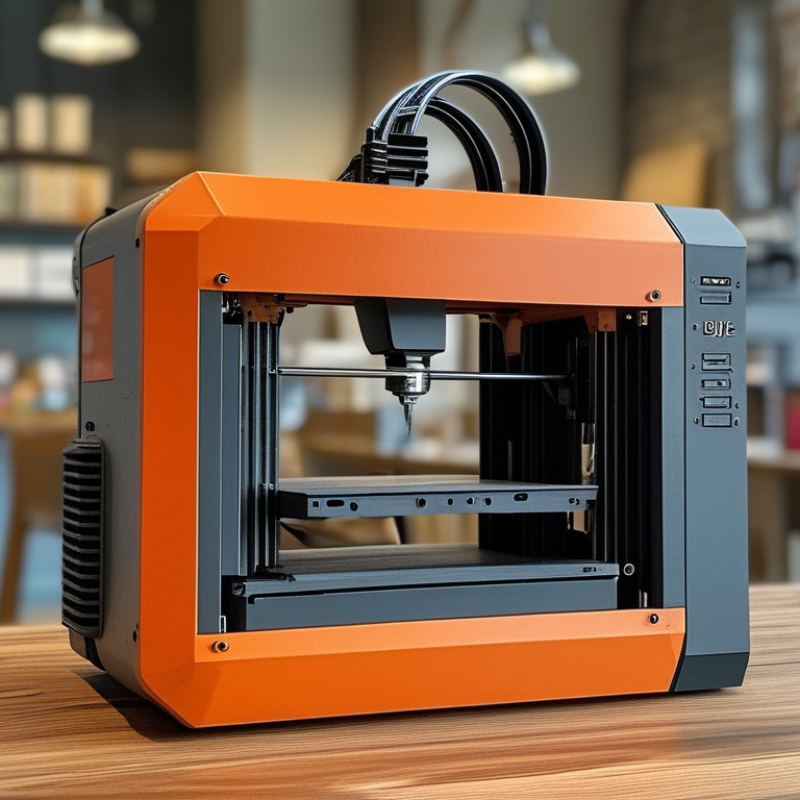
When selecting a 3D printing service provider in China, consider several key factors.
Experience and expertise are crucial. Look for providers with a solid track record in the industry.
This can assure quality and reliability in their prints. Check their portfolio to see previous projects;
it reflects their capabilities and design flexibility.
Tips: Ask about their printing technology. Different technologies yield different results.
Ensure they use advanced methods that meet your needs. Check reviews and testimonials from past clients.
This adds to their credibility. Don’t hesitate to request samples.
Another important factor is communication.
Clear communication can enhance your project’s success. Providers that respond promptly and effectively are more likely to understand your needs.
However, not all providers prioritize this. Evaluate their responsiveness during initial inquiries.
Tips: Ensure they offer support throughout the printing process.
This prevents misunderstandings later on. Consider the location of the provider.
Shipping may impact delivery times and costs. Local providers can offer faster turnaround.
Still, evaluate if remote providers can maintain effective communication.
When selecting a 3D printing service provider in China, understanding the technologies available is crucial. The main methods include Fused Deposition Modeling (FDM), Stereolithography (SLA), and Selective Laser Sintering (SLS). Each technology has unique advantages and limitations. FDM is cost-effective and widely used but may result in less detailed prints compared to SLA.
Reports indicate that the Chinese 3D printing market is expected to reach $10.6 billion by 2025, reflecting a growing demand for diverse technologies. SLA offers high precision and smooth finishes, making it suitable for intricate parts. However, it often requires longer production times and can be more expensive. SLS stands out for its ability to create complex geometries without additional support structures but involves higher material costs.
Quality assurance is another concern. Many providers face challenges in maintaining consistent standards across different technologies. Potential customers should assess the supplier’s capabilities and experience thoroughly. Comparing materials, speed, and finish quality is essential. The evolving landscape of 3D printing in China encourages continuous learning and adaptation to find the right fit for specific needs.
| Technology Type | Materials Used | Typical Applications | Speed (cm³/hour) | Cost per kg (USD) |
|---|---|---|---|---|
| FDM (Fused Deposition Modeling) | PLA, ABS, PETG | Prototyping, hobby projects | 50-150 | 20-30 |
| SLA (Stereolithography) | Resin | Jewelry, dental models, prototypes | 30-100 | 50-80 |
| SLS (Selective Laser Sintering) | Nylon, polymers | Functional prototypes, low-volume production | 10-50 | 70-100 |
| DLP (Digital Light Processing) | Resin | Detailed models, small parts | 20-80 | 60-90 |
| MJF (Multi Jet Fusion) | Nylon, TPU | Functional parts, prototypes | 15-100 | 75-120 |
When selecting a 3D printing service provider in China, evaluating their quality assurance processes is vital. More than 80% of users consider quality the primary factor in choosing a service. Quality assurance ensures that printed products meet specifications and standards. Companies should implement robust processes to monitor each stage of production, from material selection to final inspections.
Industry reports indicate that about 50% of 3D printing companies do not have formal quality control systems. This glaring gap can lead to inconsistencies in output. Reliable providers often adopt ISO 9001 standards or similar frameworks, demonstrating their commitment to quality. Regular audits and thorough testing can catch defects early. Providers who lack these processes may face higher rejection rates, impacting client trust.
It’s also essential to review customer feedback. In some cases, complaints revolve around dimensional inaccuracies or surface finish issues. Ask for case studies or samples that showcase the company’s capabilities. These steps highlight their commitment and offer insight into their production reliability. Remember, a trustworthy provider will openly discuss their quality assurance measures and be willing to learn from past mistakes.
When choosing a reliable 3D printing service provider in China, client feedback plays a crucial role. Reports indicate that nearly 70% of customers base their decisions on online reviews. These reviews often reflect the quality of service, turnaround times, and material options. Consider looking for testimonials that highlight specific projects. Detailed accounts offer insight into the provider's capabilities.
Look for consistency in feedback. If multiple clients mention issues with communication or delays, take note. A recent study found that 45% of clients experienced issues with services promising quick turnarounds. Transparency is key. Providers should openly share case studies and client experiences. This openness builds trust.
It's important to reflect on both positive and negative experiences shared by past clients. While high ratings may seem attractive, dig deeper. Are the testimonials verified? Do clients mention how the company addressed their concerns? In the evolving landscape of 3D printing, understanding a provider's reliability through client feedback is essential for making an informed choice. Your investment depends on it.
When considering 3D printing services in China, analyzing cost structures is crucial. The price can vary widely based on materials, complexity, and technology used. For instance, metal printing typically costs more than plastic. Understanding these nuances helps anticipate expenses. Hidden costs may arise from post-processing or shipping. It's vital to ask detailed questions upfront.
Return on investment (ROI) is another key factor. A lower upfront price does not guarantee better value. If a service provider lacks quality assurance, it may lead to wasted resources. Consider the quality of materials and the expertise of the staff. Services that offer prototype iterations can enhance design accuracy.
A reliable partner should provide transparent pricing models. Some might offer deceptive low quotes but fail to deliver. Be cautious. Transparency builds trust. Look for reviews or case studies to validate their claims. Stakeholders often overlook these details but they are essential for long-term success.
: Experience and expertise, communication, and technology are crucial factors to consider.
Check their portfolio for previous projects. This reveals their capabilities and reliability.
Clear communication enhances project success. It reduces misunderstandings and ensures your needs are met.
Familiarize yourself with FDM, SLA, and SLS. Each has unique advantages and limitations.
Client reviews reveal service quality, turnaround times, and material options. Look for detailed testimonials.
Look for consistency in feedback. Note any recurring issues like communication or delays.
Yes, requesting samples helps assess their print quality and allows for better comparison.
Local providers often offer faster turnaround times, but remote providers can work well with good communication.
Evaluate a provider's ability to maintain consistent quality across different technologies. Regular adaptations are necessary.
Not always. Investigate the details behind the ratings. Validated testimonials can provide deeper insights.
Choosing a reliable 3D printing service provider is crucial for ensuring quality and efficiency in your projects. To effectively navigate this process, it's essential to identify key factors that influence provider selection, such as their expertise in various 3D printing technologies available in China. Understanding the specific technologies offered allows you to match your project requirements with the provider's capabilities.
Furthermore, evaluating the quality assurance processes implemented by these companies plays a significant role in ensuring product reliability. Reviewing client feedback and testimonials can provide insights into the provider's reputation and service quality. Lastly, analyzing the cost structures and return on investment (ROI) associated with the services offered will help you make an informed decision that aligns with your budget and expectations. By considering these aspects, you can effectively determine how to choose a reliable 3D printing service provider.

Diem printer