In the evolving world of 3D printing, choosing the right technology is crucial for success. Many businesses grapple with the question, "what is the difference between FDM, SLA, and SLS?" Each technology offers unique advantages and limitations. According to a recent report from SmarTech Analysis, the 3D printing market is expected to reach $34.8 billion by 2024, highlighting the growing importance of selecting the appropriate printing method.
Fused Deposition Modeling (FDM) is known for its affordability and ease of use. It is ideal for prototyping and produces durable parts. In contrast, Stereolithography (SLA) provides exceptional print detail and precision, making it suitable for intricate designs. Selective Laser Sintering (SLS), on the other hand, is favored for producing functional parts from a variety of materials. Each technology requires a different approach in terms of material selection and post-processing.
Ultimately, the choice depends on specific project requirements and budget constraints. Many companies often overlook the hidden costs associated with each method, which could impact their decision. Understanding the nuances of FDM, SLA, and SLS can empower businesses to make informed choices. As the industry grows, staying updated on emerging trends and technologies remains essential.
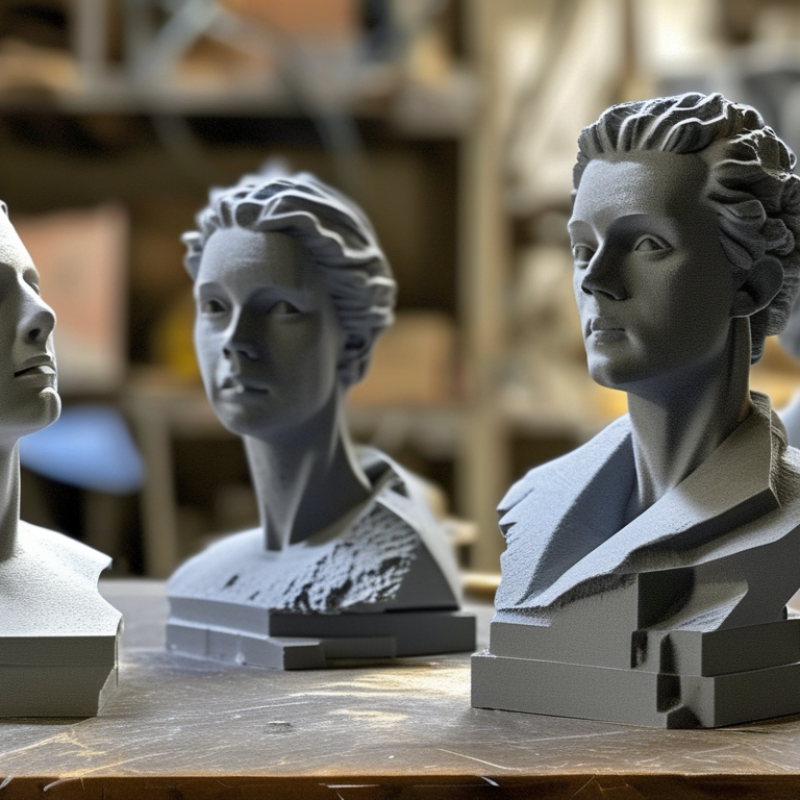
Understanding the Basics of FDM, SLA, and SLS 3D Printing Technologies
When exploring 3D printing technologies, understanding FDM, SLA, and SLS is essential.
FDM (Fused Deposition Modeling) is widely used for its affordability and ease of use. Reports indicate that the FDM market accounted for over 60% of the total 3D printing market in 2022.
It creates models by melting and depositing thermoplastic filaments layer by layer. Users often appreciate its speed and versatility, but they may find limitations in surface finish and detail resolution.
SLA (Stereolithography) uses a laser to cure liquid resin into hardened plastic. This technology is known for producing high-resolution prints.
According to industry analyses, SLA is favored in industries requiring precision, like dental and jewelry. However, post-processing can be tedious and time-consuming. Many users must also consider the resin's sensitivity to UV light, which can affect the longevity of prints.
SLS (Selective Laser Sintering) offers another approach by fusing powdered materials using a laser.
It's ideal for complex geometries and functional parts. However, it often comes with higher costs and longer production times.
Data suggests SLS is gaining traction in aerospace and automotive sectors for its durability.
Choosing the right technology involves weighing cost, speed, and detail, as well as personal project requirements.
Nonetheless, what works for one application may not work for another, leading to a continuous learning curve in the selection process.
Comparing Material Compatibility for FDM, SLA, and SLS Printing
When it comes to choosing a 3D printing technology, material compatibility is crucial. FDM, SLA, and SLS technologies each support distinct materials.
Fused Deposition Modeling (FDM) utilizes thermoplastics like ABS and PLA. These materials are widely available and cost-effective. FDM prints are often robust, yet they might not offer fine details.
Stereolithography (SLA) employs resin materials that allow for smooth surface finishes. This technology is ideal for intricate designs but is less versatile in material options. A study by Wohlers Associates highlighted that SLA resins can achieve layers as thin as 25 microns. However, they are often more expensive and less durable than FDM materials, limiting their use in functional applications.
Selective Laser Sintering (SLS) operates using powdered materials, often nylon. This provides superior strength and flexibility. SLS can create more complex geometries compared to FDM and SLA. Despite this, SLS machines are typically more costly. A report from the 3D Printing Industry suggests that while SLS can handle a diverse range of materials, users must consider the trade-offs in cost vs. application suitability. Each technology thus presents unique strengths and weaknesses based on the materials involved.
Evaluating Cost-Effectiveness of FDM, SLA, and SLS Technologies
When choosing between FDM, SLA, and SLS 3D printing technologies, cost-effectiveness is crucial. Each process has its own strengths and weaknesses, which can significantly impact your budget.
FDM, or fused deposition modeling, is generally the most affordable option. Materials are cheaper, and the machines are simpler. However, the surface finish may not be as smooth.
SLA, or stereolithography, often produces higher-quality prints. Yet, the resin can be pricey, and post-processing is time-consuming. If you're looking for fine details and smooth surfaces, SLA may justify the extra cost. However, the noise and messiness during the process can be a drawback.
SLS, or selective laser sintering, is ideal for complex geometries. It offers good mechanical properties but at a higher price point. The materials used in SLS are not as widely available. You may need to invest more upfront, but the versatility of prints can be a game-changer for specific projects.
Consider the final application carefully. Balancing quality and budget can lead to tough choices. Ultimately, understanding your needs will guide your decision.
Exploring Speed and Precision Differences Among 3D Printing Methods
When comparing FDM, SLA, and SLS 3D printing technologies, understanding speed and precision is crucial. Fused Deposition Modeling (FDM) is often the go-to choice for quick prototyping. It melts thermoplastic filament, layering it to create parts. However, it struggles with intricate designs. Minute details can be lost, posing a challenge for complex geometries.
Stereolithography (SLA), in contrast, utilizes a laser to cure liquid resin. This method excels in precision. Parts produced using SLA exhibit smooth surfaces and high-resolution details. However, the process can be slower than FDM, making it less suitable for time-sensitive projects. It also requires post-processing, adding to the overall production time.
Selective Laser Sintering (SLS) employs powdered materials, fusing them with a laser. This technique balances speed and precision exceptionally well. It can create strong, durable parts with intricate details. Yet, SLS machines are costly and may require specialized knowledge to operate effectively. Each method has its strengths and drawbacks, which must be considered when choosing the right 3D printing technology.
Assessing Applications Best Suited for FDM, SLA, and SLS Technologies
When choosing between FDM, SLA, and SLS technologies, understanding their best applications is vital. Fused Deposition Modeling (FDM) is often favored for prototyping and functional parts. It uses thermoplastic filaments, making it ideal for creating durable items. However, FDM can produce visible layer lines. This might impact the overall appearance of finished models.
Stereolithography (SLA) excels in detailed and intricate designs. It uses a liquid resin that cures under UV light. SLA prints can achieve high accuracy and smooth surfaces. Yet, the resin can be costly, and post-processing is often necessary. This adds time to the project.
Selective Laser Sintering (SLS) is well-suited for complex geometries and small production runs. It uses a laser to fuse powdered materials, leading to robust parts. However, the technology requires a more substantial upfront investment. SLS can also produce powder remnants that necessitate cleaning. Each technology has its strengths and weaknesses. Consider the project's requirements carefully.
How to Choose Between FDM SLA and SLS 3D Printing Technologies? - Assessing Applications Best Suited for FDM, SLA, and SLS Technologies
| Technology |
Best Suited Applications |
Material Types |
Layer Thickness |
Print Speed |
Cost |
| FDM |
Prototyping, Hobbyist Projects, Concept Models |
PLA, ABS, PETG, TPU |
0.1 - 0.4 mm |
10 - 70 mm/s |
Low |
| SLA |
High-Detail Models, Dental Applications, Jewelry Design |
Resins (Standard, Flexible, Castable) |
0.025 - 0.1 mm |
20 - 50 mm/h |
Medium |
| SLS |
Functional Prototypes, End-Use Parts, Aerospace Components |
Nylon, Polypropylene, TPU |
0.1 - 0.2 mm |
10 - 30 mm/h |
High |
FAQS
: FDM stands for Fused Deposition Modeling. It melts thermoplastic filaments to create models layer by layer.
FDM is affordable and easy to use. It's also known for speed and versatility.
FDM may struggle with surface finish and intricate details, which can be a challenge.
SLA uses a laser to cure liquid resin, offering high-resolution prints and smooth surfaces.
SLA requires post-processing and can take longer than FDM. The resin is also sensitive to UV light.
SLS uses powdered materials, making it ideal for complex geometries and durable parts.
SLS machines can be expensive, and operating them may need specialized knowledge.
FDM is the fastest for prototyping, while SLA is slower but offers better precision.
Yes, choosing the right technology involves continuous learning to match project needs.
No, what works for one application may not work for another. Each method has unique strengths and drawbacks.
Conclusion
When choosing between FDM, SLA, and SLS 3D printing technologies, it's essential to understand what each method offers. Fused Deposition Modeling (FDM) is known for its affordability and ease of use, making it suitable for prototyping and simple designs. In contrast, Stereolithography (SLA) excels in producing high-detail prints with smooth finishes, although it often comes at a higher cost. Selective Laser Sintering (SLS) stands out for its ability to work with a variety of materials and create complex geometries, making it ideal for functional parts.
In evaluating the differences, one must consider material compatibility, cost-effectiveness, speed, and precision. Each technology has its unique advantages, with FDM being budget-friendly, SLA offering exceptional detail, and SLS enabling robust applications. Understanding what is the difference between FDM, SLA, and SLS can help users choose the most appropriate method based on their specific needs and project requirements.

 Diem printer