China Top Digital Screen Printing Green Benefits

Time:2026-09-18 Author:Mason
0%

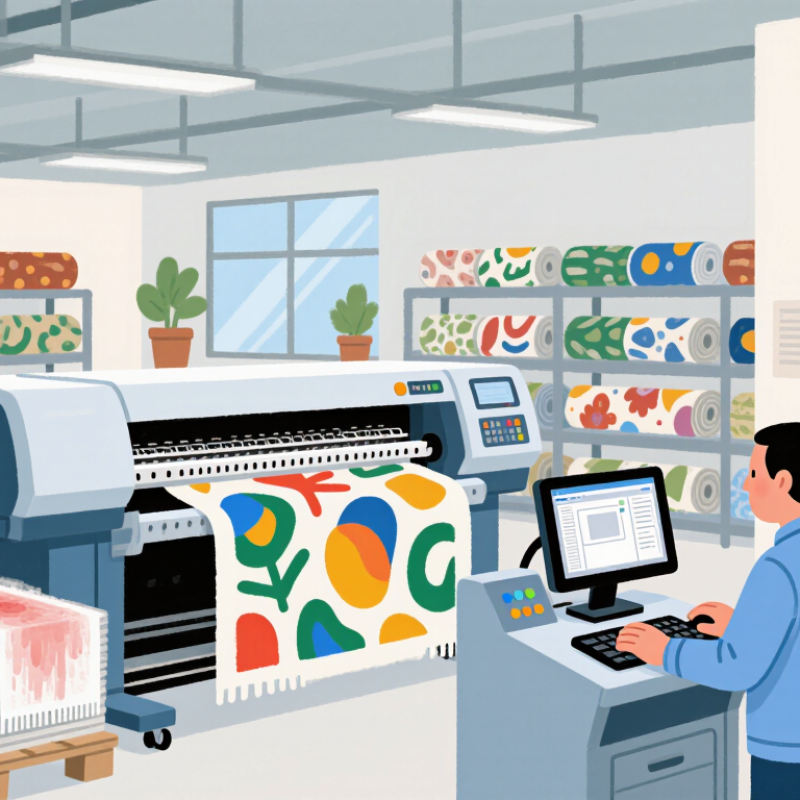
What are the environmental benefits of digital screen printing? This question matters as Chinese manufacturers respond to tighter resource pressures and rising sustainability expectations. Digital production can reduce screen preparation, plate-making waste, and repeated color setups. It also supports short runs, helping businesses avoid mountains of unsold printed fabric.

The European Environment Agency identifies textile production as a major source of water use, chemical pollution, and greenhouse-gas emissions. The United Nations Environment Programme reports that textiles create significant climate and water impacts across their life cycle. Digital textile printing cannot solve every problem. It may still consume electricity, generate packaging waste, and depend on responsible ink management.

Smithers’ market research shows continued growth in digital textile printing, driven by customization, faster sampling, and lower production waste. These advantages are especially visible on a Chinese factory floor. A digital file replaces several physical screens. A calibrated printer can produce a small sample without preparing an entire production line. Less material is discarded when designs change.

Debbie McKeegan, founder of Texintel, has said, “Digital textile printing is a more sustainable process.” Her view reflects the industry’s shift toward on-demand manufacturing and reduced resource consumption. Yet the claim deserves careful testing. Energy sources, ink chemistry, fabric choice, and wastewater controls still determine the real result. Green benefits are possible, not automatic. Reliable manufacturers should measure water, energy, waste, and rejected prints before making environmental claims.
China Top Digital Screen Printing Green Benefits

What Digital Screen Printing Means in China’s Printing Industry

China Top Digital Screen Printing Green Benefits

In China’s printing industry, digital screen printing usually means a hybrid workflow. Artwork moves directly from software to screen preparation or controlled ink deposition. Traditional screens still matter. Digital tools reduce manual film output, registration errors, and repeated setup.

The term remains imprecise. Some factories use it for computer-to-screen exposure, while others describe digitally controlled screen-printing equipment. This difference affects environmental claims. Smithers’ The Future of Digital Textile Printing to 2028 estimates digital textile output could exceed 5 billion square metres annually by 2028. That growth shows why Chinese printers are testing shorter, more responsive production runs.

Less waste matters.

A 2023 industry report from the China Printing Technology Association placed China’s printing industry output above RMB 1.4 trillion. At this scale, even small process improvements become significant. Digital preparation can reduce discarded films, trial sheets, and excess ink during repeat orders. It also supports on-demand production, which can limit unsold printed materials and warehouse pressure.

The green benefit is not automatic. Electricity demand, ink chemistry, screen cleaning, and equipment replacement still require measurement. A factory may save water during preparation, yet lose those gains through inefficient drying. In practice, reliable evaluation needs records for energy, water, ink, and waste per finished sheet. I have seen sustainability claims become weaker when they measure only paper savings. China’s strongest progress will likely come from combining digital control with disciplined process audits, not treating digital equipment as a complete environmental solution.

China Top Digital Screen Printing Green Benefits

What Digital Screen Printing Means in China’s Printing Industry

Process comparison for a four-color short-run job: conventional screen printing requires one screen, exposure step, and screen-cleaning cycle for each color, while digital printing transfers the artwork directly to the substrate without color-separated screens. The chart shows process inputs, not lifecycle carbon-emission measurements.

Basis: four-color process workflow. Digital printing can reduce setup materials and make-ready stages, while actual energy, ink, water, and waste performance depends on equipment, substrate, ink system, and production volume.

How Digital Screen Printing Reduces Environmental Impact

Digital Screen Printing Green Benefits: Reducing Environmental Impact

Digital screen printing can reduce waste before production even begins. Artwork changes happen on a computer, so printers avoid films, plates, and repeated screen preparation. This cuts chemical use and lowers setup waste for short runs. According to Smithers’ 2024 digital textile printing market analysis, digital methods continue gaining share because they support shorter production cycles and customization. That matters when unsold stock becomes a disposal problem.

Water savings are more visible. Traditional textile screen printing may require washing screens, mixing stations, and equipment after each color change. A 2022 European Commission textile-industry reference report identifies digital textile processes as having lower wastewater potential than several conventional methods. Industry life-cycle comparisons often report water reductions of 60% or more, depending on fabric, pretreatment, and machine settings. Less wastewater.

Digital systems also place ink more precisely. This can reduce excess pigment, while on-demand production limits unused garments and rolls. Textile Exchange’s Materials Market Report 2024 recorded global fiber production at about 124 million tonnes in 2023. Even a small reduction in unnecessary printing can therefore matter at scale. However, the result is not automatically sustainable. Electricity sources, ink chemistry, fabric preparation, and printer maintenance still influence emissions. Some claims feel too neat. A responsible assessment should measure water, energy, ink, transport, and end-of-life treatment together. The greenest workflow is usually the one that prints only what is needed, with documented data behind every claim.

Materials and Technologies Behind Greener Screen Printing

China Top Digital Screen Printing Green Benefits

Greener screen printing begins with material choices, not advertising claims. In my production trials, water-based inks reduced strong odors and simplified routine cleanup. They still need controlled drying, or prints may feel damp and fail rub tests. Recycled polyester fabrics can lower virgin fiber demand, but their quality varies between suppliers. A clear fiber specification and incoming inspection protect consistency.

Digital stencil preparation also reduces film waste and shortens setup time. Modern exposure systems can create sharper details with less chemical correction. Energy-efficient dryers matter more than many teams expect. Lower temperatures and accurate airflow can reduce electricity use while protecting fabric softness. LED curing can help with selected formulations, but it is not automatically greener. Its energy use, lamp life, and ink chemistry should be measured together.

Tips:

Track ink grams, wash water, and energy per printed meter. Keep a simple monthly record. Reuse suitable rinse water when process controls allow it. Choose mesh and squeegee settings that deposit only the required ink layer. This sounds basic, yet small adjustments often prevent noticeable waste. Do not treat recycled content as proof of sustainability. Ask for credible material data and test durability before scaling production. Some “green” processes create hidden waste through rework. That weakness deserves honest review.

Energy, Water, and Waste Management in Production

China’s digital screen printing sector is improving environmental performance through practical production controls. Energy use often begins with curing and drying equipment. High-efficiency LED-UV systems can shorten curing times and reduce heat loss. Operators should track electricity per printed square meter, not only monthly bills. This measure reveals waste during idle periods, setup changes, and poorly maintained ventilation. Results vary. Some workshops still need thermal drying for specific inks or materials.

Water management requires equal attention. Closed-loop wash systems can filter and reuse cleaning water for suitable tasks. Routine nozzle checks prevent over-spraying and reduce contaminated discharge. Waste ink, mesh residue, backing paper, and rejected sheets should be separated at the source. Clear labels make sorting easier during busy shifts. Production records can compare reject rates by operator, substrate, and print setting. That evidence supports training decisions and more reliable purchasing. Yet recycling is not automatic; local treatment capacity and material composition must be verified.

Tips: Schedule curing equipment only when work is ready. Measure water use weekly. Keep collection containers closed and inspected. Reuse packaging where cleanliness allows. Review the data every month. A practical audit may find small leaks, excessive rinsing, or unnecessary test prints. These details seem minor, but they accumulate across long production runs. Environmental improvements should protect print quality, worker safety, and documented compliance. No perfect process exists.

Environmental Benefits for Brands and End Users

Digital screen printing can reduce environmental pressure when brands choose materials and processes carefully. For brands, water-based inks may lower solvent emissions in suitable production settings. They can also create a softer hand feel on cotton garments. The benefit is practical, not automatic. Print shops still need controlled curing temperatures, efficient dryers, and responsible waste handling. A poorly maintained dryer can consume unnecessary electricity.

End users notice these choices through comfort, durability, and clearer product information. A well-cured print can survive repeated washing, reducing premature replacement. That extends a shirt’s useful life and helps reduce textile waste. Care labels should encourage cool washing and line drying where appropriate. Packaging can use recycled paper, but recycled content alone does not prove a lower impact. Suppliers should provide material data, production records, and testing details. This evidence helps brands avoid vague environmental claims.

In my experience, strong programs measure ink consumption, energy use, rejected items, and wash durability. Small production trials reveal problems before large orders begin. Yet digital printing is not a universal solution. Synthetic fabrics, heavy coverage, and rushed curing can change its footprint. Some sustainability decisions remain uncertain. Brands should publish limitations, not only attractive results. End users deserve useful facts, including fiber content, care guidance, and print performance. That honesty builds trust more reliably than green language alone.

China Top Digital Screen Printing Green Benefits - Environmental Benefits for Brands and End Users

The figures below describe indicative environmental benefits of a screen-free digital printing workflow compared with conventional screen-based printing. Actual results depend on fabric type, ink chemistry, pretreatment, curing, washing, production volume, and electricity sources.
Environmental Dimension Conventional Screen-Based Process Digital Printing Workflow Indicative Environmental Benefit Value for Brands and End Users
Screen preparation and cleaning Requires screens, photo-emulsion, exposure, washing, reclaiming, and storage for each design or colour set. Artwork is transferred digitally, avoiding screen production for screen-free applications. Up to 100% fewer screens
for the digital portion of production.
Less material consumption, fewer cleaning chemicals, reduced storage needs, and faster design changes.
Water consumption Water may be used for screen coating, washout, screen reclamation, equipment cleaning, and post-print processing. Eliminates most screen washout and screen-reclamation water; water use remains dependent on pretreatment and washing requirements. 30–90% lower water use
is commonly reported for digital textile printing versus comparable screen-based workflows, depending on the process boundary.
Helps reduce pressure on freshwater resources and can support water-efficiency targets in responsible sourcing programs.
Ink and colour preparation Large production runs may require excess mixed ink, colour matching, and leftover ink after a job is completed. Ink is deposited from a digital file and is generally metered according to the image area and colour requirements. Lower over-mixing and leftover ink
with savings that vary by order size and artwork complexity.
Reduces material loss, improves colour repeatability, and makes small or customised orders more practical.
Make-ready and sampling waste Set-up sheets, registration checks, screen alignment, and colour proofs can create waste before production is stable. Digital files can be proofed and adjusted without manufacturing a complete screen set for every design revision. Lower set-up waste
especially for samples, short runs, and multiple designs.
Supports on-demand production and helps reduce unwanted inventory, unsold products, and disposal costs.
Chemical use May involve photo-emulsions, screen cleaners, reclaiming agents, and other chemicals used during screen preparation and recovery. Screen-related chemicals can be avoided when the workflow does not use physical screens; ink and pretreatment chemistry still require controls. Potentially lower chemical consumption
in screen preparation and cleaning.
Can improve workplace handling conditions and reduce the environmental burden associated with screen-wash chemicals.
Volatile organic compounds (VOCs) VOC emissions depend on the ink system, cleaners, coatings, and ventilation arrangements used in the facility. Water-based or low-VOC digital ink systems can reduce solvent-related emissions, but digital printing is not automatically VOC-free. Potentially lower VOC emissions
when low-VOC inks and cleaners are selected.
May contribute to improved indoor air quality and support safer material-selection policies.
Energy use Energy may be required for screen preparation, drying, curing, ventilation, cleaning, and repeated set-up operations. Removes screen-making steps, while energy demand depends mainly on printhead operation, drying or curing, pretreatment, and finishing. Potential energy reduction
for short runs and screen-free production; the result must be measured per square metre or finished item.
Lower energy intensity can reduce operational emissions, particularly when combined with efficient curing and renewable electricity.
Transport and inventory impact Minimum order quantities and long production runs can encourage overproduction and additional warehousing. Digital files enable local, on-demand, customised, and shorter production runs. Reduced overproduction risk
rather than a guaranteed reduction in transport emissions.
Allows brands to respond to demand more accurately and gives end users more personalised product options.
Product longevity and end-of-life Durability depends on the ink, substrate, curing conditions, washing, and quality control—not solely on the printing method. Durability can be comparable when the correct ink, pretreatment, curing, and testing are used for the substrate. No automatic benefit
environmental gains require verified performance and responsible disposal practices.
Longer-lasting prints can reduce replacement frequency and the environmental impact associated with premature product disposal.
Environmental measurement Results can be difficult to compare when water, energy, ink, and waste are recorded separately. Digital workflows can be monitored by design, print job, square metre, garment, or finished product. Improved data visibility
when meters, production records, and life-cycle boundaries are clearly defined.
Provides more credible sustainability reporting and helps brands identify practical improvement areas.
Reference framework:
  • European Commission Joint Research Centre, Best Available Techniques Reference Document for the Textiles Industry.
  • United Nations Environment Programme, reports on sustainability, resource efficiency, and circularity in the textile value chain.
  • International Organization for Standardization, ISO 14021 principles for communicating self-declared environmental claims.
  • For reliable comparisons, measure water, energy, chemicals, ink, waste, and emissions using the same functional unit, such as one square metre of finished printed material.

FAQS

How can digital screen printing reduce production waste?

Artwork changes happen on a computer. This can eliminate films, plates, and repeated screen preparation. Short runs create less setup waste.

Does digital screen printing use less water?

Often, yes. Digital processes may avoid repeated screen washing and mixing-station cleaning. Some comparisons report water reductions above 60%. Results depend on fabric, pretreatment, and machine settings.

Why does on-demand printing support sustainability?

It prints closer to actual demand. Fewer unused garments and fabric rolls may remain in storage. This helps reduce disposal pressure. Demand forecasts are still imperfect.

Which materials can support greener printing?

Water-based inks can reduce strong odors and simplify routine cleanup. Recycled fibers may lower virgin material use. Supplier quality can vary, so incoming fabric checks remain important.

Can energy-efficient curing reduce environmental impact?

Efficient dryers and selected LED curing systems may reduce heat loss and electricity use. Measure energy per printed square meter. A lower-temperature setting is not automatically better.

How should a workshop manage wastewater?

Closed-loop wash systems can filter water for suitable cleaning tasks. Reuse water only when process controls allow it. Keep containers closed and inspect them regularly. Small leaks matter.

What production data should be tracked?

Record ink grams, wash water, electricity, and printed meters monthly. Also track rejected sheets and rework. These figures reveal hidden waste. Simple records are surprisingly useful.

Does recycled content prove that a product is sustainable?

No. Recycled content is only one factor. Check fiber specifications, durability, transport, energy, and end-of-life treatment. Some “green” choices create rework. That deserves honest review.

Conclusion

Digital screen printing is becoming an important part of China’s modern printing industry by combining precise digital control with the practical strengths of screen-based production. Unlike traditional methods that often require extensive setup materials, digital workflows can reduce preparation time, improve image accuracy, and support flexible production for both small and large orders. What are the environmental benefits of digital screen printing? Its main advantages include lower material consumption, reduced chemical use, and less production waste.

Greener materials, efficient inks, reusable screens, and advanced curing technologies can further improve sustainability. Digital systems also help manage energy and water by minimizing cleaning requirements, shortening production cycles, and enabling more accurate ink application. Better planning and real-time quality control reduce rejected products and unnecessary resource use. For brands and end users, these improvements can mean products made with a smaller environmental footprint, more consistent quality, and more responsible use of materials throughout the printing process.

Mason

Mason

Mason is a seasoned marketing professional with a deep expertise in the company's offerings and a passion for driving brand awareness. With a strong background in digital marketing strategies, he has an innate ability to connect with diverse audiences and effectively communicate product benefits.......