2026 Best Flatbed vs Rotary Printer What Is the Difference?

Time:2026-10-29 Author:Aria
0%

Choosing between a flatbed and a rotary printer starts with the job, not the machine’s headline speed. What is the difference between flatbed and rotary printers? A flatbed printer holds material on a fixed, usually level surface. A rotary printer moves material around a rotating cylinder or drum. That difference changes how each machine handles print size, material shape, production flow, and setup.

Market demand is changing, too. Grand View Research estimated the global digital textile printing market at USD 2.6 billion in 2023. It projected a 12.2% compound annual growth rate from 2024 to 2030. This figure covers digital textile printing broadly; it does not compare flatbed and rotary machines directly. Still, it points to a growing need for adaptable print production. A flatbed can suit rigid panels, short runs, and varied substrates. Rotary systems can support continuous production on compatible materials. But speed claims need context. Material handling, curing, print width, and maintenance all affect real output. A showroom demonstration may not match a full production shift.

This guide compares the two formats by workflow, applications, cost factors, and practical limits. There is no universal winner. And specifications can mislead. Buyers should test their own materials and artwork before committing. One overlooked detail—loading time—can change the economics.
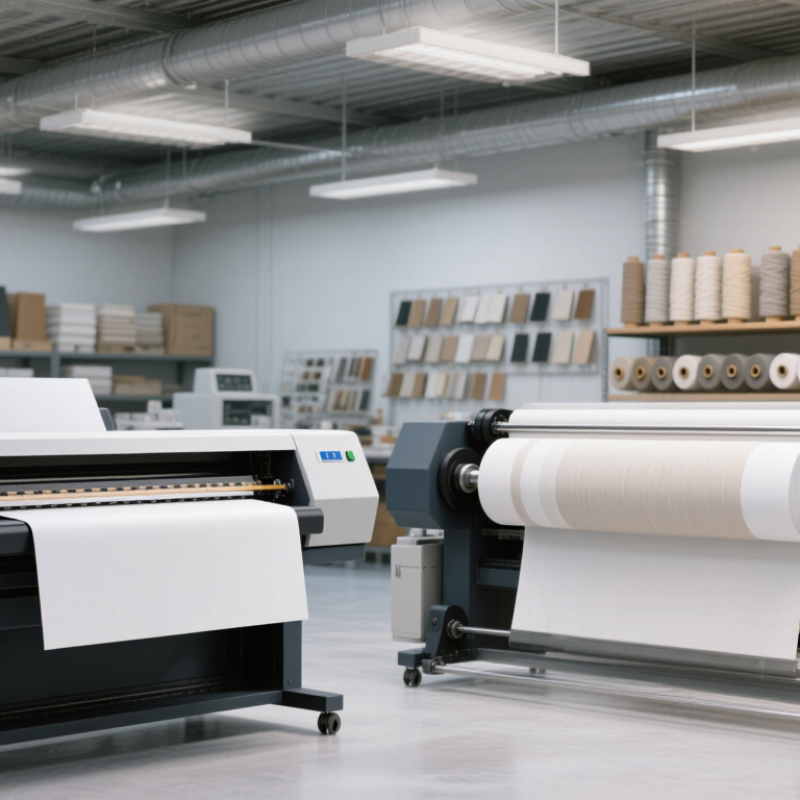
2026 Best Flatbed vs Rotary Printer What Is the Difference?

How Flatbed and Rotary Printers Work

A flatbed printer keeps the material still on a level table while a printhead moves across it. The sheet or object may be held by a vacuum bed, clamps, or a simple jig. As the carriage passes, it lays down ink in narrow bands, building the image line by line. Some systems cure ink with ultraviolet light during printing; others use different drying methods. You can watch the process closely: a small sign stays fixed while the printhead travels back and forth above it. Flat surfaces are the natural fit. Thickness and surface height still matter, so operators check clearance before starting.

A rotary printer works with a cylindrical item mounted on rollers or a spindle. The object turns while the print system moves along its length, coordinating rotation with each pass of the printhead. That synchronized motion places the image around the curve rather than across a flat sheet. Think of a bottle rotating steadily as a narrow band of artwork is printed, then extended around its circumference. Not always simple. Diameter, taper, and surface grip can affect alignment, and a slightly loose mount may cause visible shifts.

The key mechanical difference is what moves: the material stays still on a flatbed, while a rotary setup turns the object. Flatbed workflows often suit panels and rigid sheets; rotary workflows suit cylindrical surfaces. Real production can be less tidy than a demonstration. A test print on the actual material can reveal slipping, uneven contact, or awkward loading before a full run.

How Flatbed Printers Print on Rigid and Flat Materials

A flatbed printer holds a rigid sheet on a level bed, often using vacuum suction or registration stops to keep it still. A moving carriage lays ink across the surface, then UV lamps cure it almost immediately. That allows printing directly onto materials such as acrylic, wood, glass, and display board, without feeding them through rollers. The result can include sharp text and small details, though print height and bed capacity limit what each machine can accept. A warped panel can also cause uneven spacing or contact, so flatness matters.

The process is useful for short-run signs, panels, and decorative pieces where cutting or mounting a printed sheet would add work. Grand View Research’s UV Printing Market report valued the global market at about $4.5 billion in 2023 and projected 9.2% annual growth from 2024 to 2030. That points to expanding use, not guaranteed results on every substrate. Surface coatings, dust, and material color can all affect adhesion and appearance. The trade-off is real. Operators should test a sample first, especially on unfamiliar or glossy stock; even careful setup cannot make every surface behave alike.

How Rotary Printers Print on Cylindrical and Curved Objects

Rotary printers handle cylindrical and curved objects by turning the item beneath a printhead. A chuck or roller holds the object, while software synchronizes rotation with printhead movement. This keeps the nozzle-to-surface distance steady as ink lands on a cup, bottle, or tube. Flatbeds are better suited to flat sheets; rotary setups reach areas a flatbed may not cover evenly. Small errors show.

Tapered objects need extra care because their circumference changes along the surface. If rotation speed is not adjusted, artwork can stretch or drift near the narrow end.

Smithers’ The Future of Digital Printing to 2030 projects the global digital print market will grow from $136.7 billion in 2020 to $230.5 billion by 2030. That broad-market forecast is not specific to rotary equipment, but it reflects rising demand for digital print applications.

In practice, results still depend on surface preparation, object stability, and accurate setup—not just printer specifications.

Tips: Run a small test first. Check alignment at the seam, and inspect the print under angled light. Curved surfaces can reveal flaws that look invisible head-on.

Key Differences in Materials, Speed, Cost, and Print Quality

A flatbed printer works best with flat, rigid materials such as acrylic panels, wood boards, and signs. The material rests on a level table while the printhead moves across it. A rotary printer turns cylindrical items, including bottles and tubes, beneath the printhead. Some setups can handle tapered objects, but alignment takes care. A slight tilt can shift the image.

Speed depends on more than the printer. Flatbeds can be efficient for several flat pieces arranged together, while rotary systems may suit repeated runs of similar containers. Loading and unloading still take time. Small batches can feel slow on either machine. This is where comparisons get messy: operator skill, object shape, and setup time all affect daily output.

Costs vary with table size, rotary attachments, and the fixtures needed to hold each item securely. A flatbed may offer flexibility across many rigid surfaces; a rotary printer is more specialized. Print quality also depends on geometry. Flat surfaces usually make positioning and registration easier. Curved surfaces need careful rotation and alignment, especially around seams. Before choosing, test a sample using the actual material and artwork. Check fine text, edges, and color under normal lighting. I would not choose from a brochure alone; a short production trial can reveal inconvenient setup steps.

How to Choose the Right Printer for Your Application

Choosing between a flatbed and rotary printer starts with the shape of your product. A flatbed printer holds a sheet or object on a level table while the printhead moves across it. It suits rigid items such as panels, signs, or phone cases, especially when thickness varies. A rotary printer turns a cylindrical object beneath the printhead, making it a better fit for bottles, tubes, and other round surfaces. The distinction sounds simple, but loading and alignment can change the result.

Match the machine to your actual workload, not just a sample print. Check the largest item’s dimensions, weight, surface, and required print area. For cylindrical products, measure the diameter and confirm the printer can hold the object securely. For flatbed work, allow room for jigs when printing several small items at once. Ask for a test using your material; coatings and curves can affect ink adhesion and detail. A perfect demo piece does not always predict a smooth production run.

Tips: Measure twice. Keep samples of your real materials, and test alignment, curing, and repeatability before choosing. Compare setup time as well as print speed. If products vary often, a flexible flatbed may save adjustments; for steady runs of similar cylinders, rotary handling may be more efficient. The trade-off is easy to overlook.

FAQS

How does a rotary printer print on a cylindrical object?

A chuck or roller holds the object and turns it beneath the printhead. Rotation stays synchronized with printhead movement.

Which products suit rotary printing?

Bottles, tubes, and similar round objects are common choices. The item must be held securely.

Can rotary printers handle tapered objects?

Some can, but changing circumference makes alignment harder. Artwork may stretch or drift near the narrower end.

What should I check on a curved print?

Inspect the seam and view the surface under angled light. Small flaws show.

When is a flatbed printer a better fit?

Flatbeds suit rigid, level items such as panels, signs, and phone cases. They can also handle objects with varying thickness.

Which printer is faster for production?

It depends on the workload, setup, and operator. Flatbeds can print several flat pieces together; rotary systems may suit repeated runs of similar cylinders.

What affects printer cost and flexibility?

Costs depend on table size, rotary attachments, and holding fixtures. A flatbed may cover more rigid materials, while rotary equipment is more specialized.

How should I test a printer before choosing?

Use your actual material and artwork. Check alignment, fine text, edges, color, curing, and repeatability under normal lighting.

What measurements matter for printer selection?

Check the largest item’s dimensions, weight, surface, and print area. For cylindrical items, measure the diameter and confirm secure support.

Is a sample print enough to judge production performance?

Not always. A short production trial can reveal setup steps a polished sample may hide. I would not rely on a brochure alone.

Conclusion

This guide explains how flatbed and rotary printers work and why their designs suit different applications. Flatbed printers hold rigid or flat materials in place while the print system applies images across their surfaces, making them useful for items such as panels, boards, and sheets. Rotary printers coordinate printing with the rotation of cylindrical or curved objects, helping produce consistent graphics around items such as tubes and containers. Understanding What is the difference between flatbed and rotary printers begins with the shape and stability of the material being printed.

The article compares the two approaches in terms of compatible materials, production speed, operating costs, and print quality. Flatbed systems can offer flexibility for varied flat substrates, while rotary systems are designed to handle curved forms efficiently. The right choice depends on the objects you produce, the volume and detail required, available workspace, and budget. Matching the printer’s capabilities to your application can help support reliable results and a practical production workflow.

Aria

Aria

Aria is a dedicated marketing professional with a deep passion for innovative strategies and a keen understanding of our company's product offerings. With a wealth of experience in the industry, Aria excels at crafting engaging content that highlights the unique features and benefits of our......